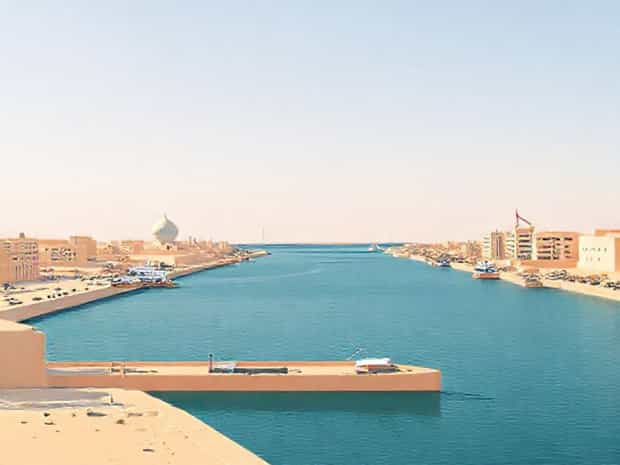
Distance Of Suez Canal
The Suez Canal is one of the most important waterways in the world, serving as a vital link between the Mediterranean Sea and the Red Sea. Its strategic location allows ships to travel between Europe and Asia without the need to circumnavigate the African continent, significantly reducing travel time and costs. Understanding the distance of the Suez Canal and its geographical significance is essential for appreciating its role in global trade, maritime navigation, and international economics. The canal has shaped commerce, politics, and engineering achievements for over a century and continues to be a crucial artery in the flow of goods around the world.
Geographical Overview of the Suez Canal
The Suez Canal is located in northeastern Egypt, stretching across the Isthmus of Suez and connecting the Mediterranean Sea near Port Said to the Red Sea near Suez City. The canal serves as a direct maritime link between the continents of Africa and Asia, enabling the movement of cargo ships, oil tankers, and passenger vessels. Its construction was a monumental engineering project that transformed global trade routes, making it one of the busiest and most economically significant canals in the world.
Length and Distance
The official length of the Suez Canal is approximately 193 kilometers, or about 120 miles. This distance allows ships to bypass the long journey around the southern tip of Africa, shortening travel between Europe and the Indian Ocean by thousands of kilometers. The canal’s width varies along its route, and modern expansions have included new lanes and deepened channels to accommodate larger vessels and increase traffic flow. The distance of the Suez Canal is measured from its northern entrance at Port Said to its southern exit at Suez, and it includes several straight and curved sections designed to facilitate smooth navigation.
Transit Time and Navigation
Depending on the type of vessel and traffic conditions, the transit time through the Suez Canal can range from 12 to 16 hours. Ships are guided by canal authorities and follow a convoy system to ensure safe passage through the canal’s narrow sections. Navigation through the Suez Canal is carefully monitored, and vessels must adhere to specific size restrictions, known as Suezmax, to safely traverse the waterway. Despite its relatively short distance, the canal’s transit is highly regulated due to its importance for international shipping and trade.
Historical Context and Construction
The idea of a canal connecting the Mediterranean and Red Seas dates back thousands of years, but the modern Suez Canal was completed in 1869 after ten years of construction. The project was led by French engineer Ferdinand de Lesseps and involved thousands of workers who faced difficult desert conditions. At the time of its completion, the canal represented a groundbreaking achievement in engineering and global commerce. The construction of the canal effectively shortened the sea route from Europe to Asia, transforming international shipping patterns and establishing Egypt as a strategic hub in global trade.
Engineering and Expansion
Over the years, the Suez Canal has undergone several expansions to increase its capacity and accommodate larger vessels. Key projects have included widening and deepening the canal, constructing bypass channels, and adding modern navigation aids. These enhancements have helped maintain the canal’s efficiency and allowed it to handle the growing volume of international maritime traffic. Modern ships often rely on updated maps, satellite guidance, and real-time traffic management to traverse the canal safely and efficiently, despite its relatively short distance of 193 kilometers.
Economic and Global Significance
The Suez Canal’s distance and strategic location make it a critical component of global trade. Thousands of ships pass through the canal each year, carrying oil, containerized goods, and raw materials between Europe, Asia, and Africa. By shortening the distance compared to the alternative route around Africa’s Cape of Good Hope, the canal saves significant fuel, time, and costs for shipping companies. Its economic importance is reflected in toll revenues collected by the Suez Canal Authority, which contribute substantially to Egypt’s national economy.
Impact on Shipping Routes
The Suez Canal allows ships to travel about 7,000 kilometers less than they would if they sailed around Africa. This reduction in distance has transformed shipping schedules, enabling faster delivery of goods and reducing operational expenses. It also has geopolitical significance, as the canal provides a direct maritime link between Europe and Asia, affecting trade policies, international relations, and energy transportation. The relatively short distance of the canal amplifies its impact by facilitating efficient global logistics and strengthening Egypt’s position in world commerce.
Challenges and Considerations
Despite its short distance, the Suez Canal presents challenges for navigation, including traffic congestion, narrow channels, and occasional blockages. The most famous incident occurred in March 2021 when the container ship Ever Given became lodged in the canal, halting maritime traffic for nearly a week. Such events highlight the canal’s importance and the potential global impact of disruptions. Maintaining safe navigation through the canal involves careful planning, pilot assistance, and constant monitoring of vessel movements.
Tourism and Local Development
The Suez Canal’s distance and historical significance have also made it a point of interest for tourists. Visitors can explore viewing areas near Port Said and Suez City to watch ships transit through the canal. Local communities benefit from the canal through employment, commerce, and tourism-related activities. Educational tours often highlight the engineering challenges and historical context of the canal, helping visitors understand its role in shaping modern global trade.
Environmental Considerations
As a major shipping route, the Suez Canal also impacts the surrounding environment. Efforts are made to minimize pollution, manage ballast water, and protect local ecosystems. The canal’s relatively short distance does not eliminate environmental concerns, as increased maritime traffic can affect water quality, marine species, and shoreline habitats. Sustainable management practices are essential to preserve both the canal’s utility and the natural environment around it.
The distance of the Suez Canal, approximately 193 kilometers, belies its enormous global importance. Connecting the Mediterranean Sea to the Red Sea, the canal serves as a critical shortcut for international shipping, saving time, fuel, and costs for countless vessels each year. Its historical construction, ongoing expansions, and modern navigation systems demonstrate the ingenuity and strategic significance of this waterway. Beyond commerce, the canal has influenced geopolitics, regional development, and environmental management in Egypt. Understanding the Suez Canal and its distance provides insight into why it remains a cornerstone of global maritime activity and a vital link in the network of international trade routes.