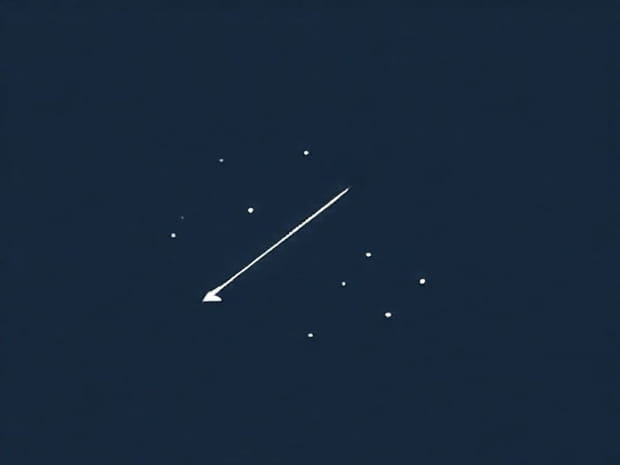
Direction Of Perseid Meteor Shower
Every year in mid-August, the night sky comes alive with one of the most spectacular astronomical events the Perseid meteor shower. Known for its brightness and high frequency of shooting stars, the Perseids draw stargazers around the world. Understanding the direction of the Perseid meteor shower is key to enjoying it fully. While meteors can appear in all parts of the sky, knowing where they originate and how to position yourself greatly improves the experience. Observing the Perseids combines natural wonder, celestial mechanics, and centuries of tradition in one breathtaking show.
The Origins of the Perseid Meteor Shower
The Perseid meteor shower occurs when Earth passes through a trail of debris left by the comet Swift-Tuttle. This comet, which orbits the Sun every 133 years, sheds dust and small ptopics that burn up in Earth’s atmosphere, creating streaks of light. These meteors are visible each year between mid-July and late August, with the peak usually around August 11 to 13.
Why Perseids Are Special
Compared to other meteor showers, the Perseids are especially famous because of their reliability and brightness. At their peak, viewers may see 60 to 100 meteors per hour under dark, clear skies. Many of the meteors leave bright trails, and some even produce fireballs, which are exceptionally luminous streaks.
The Direction of the Perseid Meteor Shower
The meteors seem to radiate from a single point in the sky called the radiant. For the Perseid meteor shower, this radiant lies in the constellation Perseus, which gives the shower its name. Although the radiant helps to locate the general direction, meteors can streak across the entire sky, sometimes far away from Perseus itself.
Locating the Radiant
The constellation Perseus is found in the northeastern part of the sky for most observers in the Northern Hemisphere. During the peak nights of the meteor shower, the radiant rises higher after midnight and continues to climb toward dawn. The higher the radiant, the more meteors are visible.
- Early eveningPerseus is low in the northeast, so fewer meteors are visible.
- MidnightThe radiant rises higher, and meteor activity increases.
- Pre-dawn hoursThis is usually the best time, as the radiant is high and the sky is darkest.
Best Direction to Watch
Although the radiant is in Perseus, you do not need to stare directly at it. In fact, looking slightly away from the radiant often makes it easier to see long meteor trails. The best direction to watch is a wide portion of the sky, preferably away from city lights and obstructions such as trees or buildings.
Tips for Watching the Perseids
- Face northeast to locate Perseus but scan the entire sky for meteors.
- Lie back on a blanket or reclining chair for maximum comfort and view.
- Allow at least 20 minutes for your eyes to adjust to the darkness.
- Avoid using bright lights or phone screens, which reduce night vision.
The Role of Hemisphere and Location
The direction of the Perseid meteor shower depends somewhat on where you are on Earth. The Perseids are best seen in the Northern Hemisphere because Perseus lies far north in the sky. Observers in southern regions may still catch the show, but the radiant remains lower, reducing the number of visible meteors.
Northern Hemisphere
For viewers in North America, Europe, and Asia, the Perseids rise in the northeast and climb higher toward morning. These regions enjoy the most impressive displays.
Southern Hemisphere
Those living south of the equator may still see Perseids, but the meteors appear lower in the sky, and fewer are visible compared to northern locations. Nevertheless, the brightest Perseid fireballs can still be observed from southern latitudes.
Timing and Weather Conditions
Knowing the direction is important, but timing and weather matter just as much. The best viewing time is typically after midnight until just before dawn, when Perseus is high in the sky. Clear, dark skies far from city lights provide the best chance of seeing a rich display.
Dealing with Moonlight
In some years, a bright Moon interferes with viewing. In such cases, position yourself so that the Moon is blocked by a building, mountain, or tree. This reduces glare and makes meteors easier to spot.
Why Meteors Appear to Come from Perseus
The direction of the Perseid meteor shower is based on perspective. As Earth moves through the comet debris stream, the ptopics strike our atmosphere on parallel paths. To an observer on the ground, these paths seem to radiate from Perseus, much like railroad tracks appear to converge at a distance.
The Radiant Effect
This radiant effect is an optical illusion. While meteors appear to shoot outward from Perseus, they can be seen across the entire dome of the sky. This is why it is better to keep your gaze broad rather than fixed on one point.
Equipment and Preparation
Fortunately, no telescopes or binoculars are needed to view the Perseid meteor shower. The naked eye is the best tool because meteors move quickly and cover wide portions of the sky. Preparing properly ensures the best experience.
- Choose a dark-sky location away from urban light pollution.
- Bring a blanket, sleeping bag, or reclining chair to lie back comfortably.
- Pack warm clothing or a thermos of hot drink, especially if watching late into the night.
- Invite friends or family to share the experience and cover more of the sky by looking in different directions.
Scientific Value of the Perseids
Beyond their beauty, the Perseids have scientific significance. Each meteor represents a tiny ptopic, often no bigger than a grain of sand, burning up as it enters the atmosphere. Studying meteor showers helps scientists understand the composition of comets and the behavior of interplanetary dust.
Comet Swift-Tuttle
The parent body of the Perseids, comet Swift-Tuttle, is a massive object more than 26 kilometers across. Its debris stream extends across Earth’s orbit, ensuring that we encounter the shower every year. Observations of the Perseids contribute to tracking this comet and its long-term orbit.
The direction of the Perseid meteor shower points toward the constellation Perseus, located in the northeastern sky for Northern Hemisphere observers. While the radiant marks its origin, meteors can appear anywhere overhead, making it important to keep a wide view. By understanding when and where to look, preparing properly, and escaping city lights, anyone can enjoy one of nature’s most dazzling light shows. Each streak of light across the night sky is a reminder of the cosmic connections between Earth, comets, and the vast universe we inhabit.