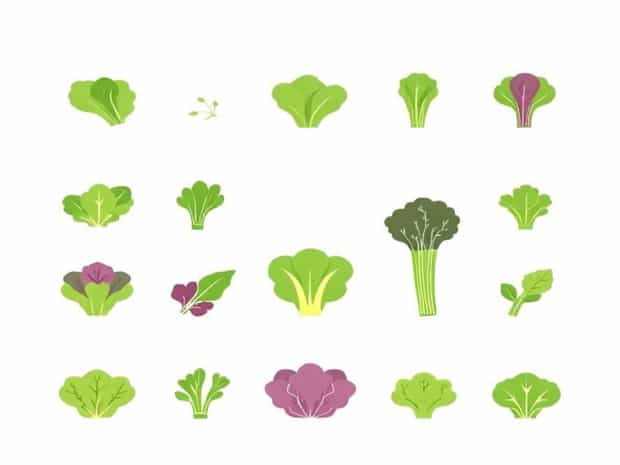
Different Types Of Lettuce
Lettuce is one of the most popular leafy vegetables consumed worldwide, renowned for its crisp texture, mild flavor, and versatility in salads, sandwiches, and garnishes. Its rich nutrient profile, including vitamins A, C, and K, as well as fiber and antioxidants, makes it a staple in a healthy diet. Understanding the different types of lettuce allows consumers and chefs alike to select the right variety for flavor, texture, and culinary application. Each type of lettuce has unique characteristics that influence its taste, appearance, and nutritional value, making it essential to explore the options available for both home cooking and professional use.
Leaf Lettuce
Leaf lettuce, sometimes called loose-leaf lettuce, is characterized by its soft, delicate leaves that grow in a loose rosette rather than a tight head. It is popular in fresh salads due to its tender texture and mild flavor.
Red Leaf Lettuce
Red leaf lettuce has vibrant red-tinged leaves and a slightly sweet flavor. It is rich in anthocyanins, which give it its color and antioxidant properties. This variety is ideal for adding color and texture to salads and sandwiches.
Green Leaf Lettuce
Green leaf lettuce is bright green and offers a mild, slightly sweet taste. Its tender leaves are often used as a base for mixed salads, wraps, and garnishes, providing a versatile option for both raw and lightly cooked dishes.
Romaine Lettuce
Romaine lettuce, also known as cos lettuce, has long, sturdy leaves with a prominent central rib. It is popular in Caesar salads and other dishes that benefit from a crunchy texture.
Nutritional Benefits
Romaine lettuce is high in vitamins A, C, and K, and contains folate and fiber. Its crisp texture makes it suitable for salads, sandwiches, and grilled preparations. The central ribs of romaine leaves provide structure, making it ideal for holding heavier toppings and dressings.
Varieties of Romaine
- Classic RomaineThe traditional variety with long, dark green leaves.
- Little GemA smaller, more compact version that offers a tender texture and mild flavor.
Crisphead Lettuce
Crisphead lettuce, often referred to as iceberg lettuce, is known for its tightly packed leaves forming a dense, round head. It is widely used for its crisp texture and refreshing crunch.
Iceberg Lettuce
Iceberg lettuce has a pale green color and a mild flavor. While it is less nutrient-dense compared to other lettuce types, its high water content and crisp texture make it a popular choice for salads, sandwiches, and burger toppings. Iceberg lettuce is especially valued for adding a cooling crunch to dishes.
Butterhead Lettuce
Butterhead lettuce includes varieties like Boston and Bibb, known for their soft, buttery leaves that form loose heads. This type of lettuce offers a tender texture and slightly sweet flavor, ideal for delicate salads and wraps.
Boston Lettuce
Boston lettuce has pale green leaves with a soft, smooth texture. It is often used in gourmet salads and as a base for appetizer presentations. Its flavor is mild, making it an excellent complement to light dressings and fresh herbs.
Bibb Lettuce
Bibb lettuce, sometimes called Butter lettuce, is smaller and more compact than Boston lettuce, with a similar soft texture and delicate flavor. It works well in individual salad servings and lettuce wraps, providing a luxurious mouthfeel.
Other Specialty Lettuce Varieties
Beyond the common types, several specialty lettuces offer unique flavors, colors, and textures that can elevate culinary creations.
Oakleaf Lettuce
Oakleaf lettuce features lobed leaves resembling oak tree foliage, often available in red and green varieties. Its tender texture and mild, nutty flavor make it a visually appealing addition to mixed salads.
Frisée
Frisée, also known as curly endive, has frizzy, narrow leaves with a slightly bitter taste. It is commonly used in French cuisine, providing texture and a unique flavor profile in salads and garnishes.
Mâche
Mâche, or lamb’s lettuce, is a small, delicate green with a mild, nutty flavor. It grows in small rosettes and is often used in spring salads and as a garnish. Its tender leaves require careful handling to preserve their texture.
Growing and Selecting Lettuce
Lettuce thrives in cool weather and is commonly grown in gardens and hydroponic systems. When selecting lettuce, consider the following tips
- Look for crisp, vibrant leaves without wilting or discoloration.
- Choose varieties based on intended culinary use, balancing texture and flavor.
- Store lettuce in a cool, humid environment to maintain freshness and prolong shelf life.
Storage Tips
Leaf lettuces should be gently washed and dried before storage. Romaine and butterhead varieties benefit from being wrapped in a damp paper towel and placed in a sealed container. Iceberg lettuce can be stored in its original packaging or a perforated bag in the refrigerator crisper drawer. Proper storage preserves flavor, texture, and nutritional quality.
Health Benefits of Lettuce
Lettuce is low in calories and high in water content, making it an excellent food for hydration and weight management. It provides dietary fiber, vitamins, and minerals that support overall health. Darker leaf varieties, such as romaine and red leaf, contain higher levels of antioxidants and phytonutrients, contributing to cardiovascular health, immune function, and eye health. Including a variety of lettuce types in meals ensures a diverse intake of nutrients and enhances visual appeal.
Culinary Uses of Different Lettuce Types
Different lettuce varieties lend themselves to specific culinary applications
- Leaf LettuceIdeal for fresh salads, sandwich toppings, and garnishes.
- Romaine LettuceGreat for Caesar salads, wraps, and grilled preparations.
- Crisphead LettuceAdds crunch to burgers, tacos, and wedge salads.
- Butterhead LettuceWorks well in delicate salads, lettuce cups, and gourmet presentations.
- Specialty LettucesEnhance visual appeal and provide unique flavors in mixed salads and culinary decorations.
Understanding the different types of lettuce enables consumers and chefs to make informed choices that enhance both flavor and presentation. From crisp iceberg to tender butterhead and vibrant leaf varieties, each type offers unique textures, colors, and nutritional benefits. Including a variety of lettuces in meals not only adds visual appeal and taste diversity but also contributes to a balanced diet rich in essential vitamins, minerals, and antioxidants. Whether used in fresh salads, sandwiches, wraps, or garnishes, lettuce remains a versatile and indispensable ingredient in kitchens around the world.