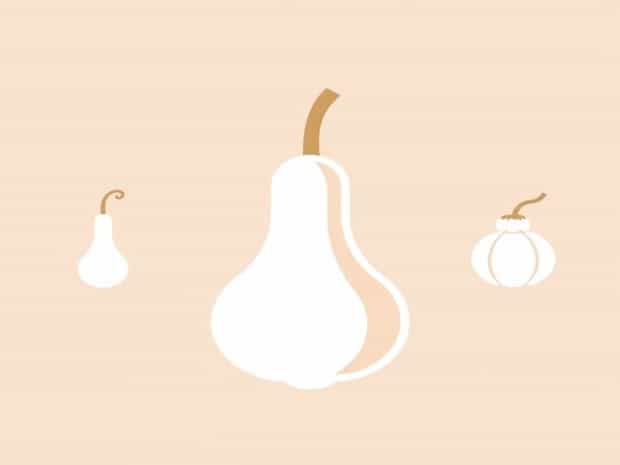
Different Types Of Gourd
Gourds are a fascinating group of plants that belong to the Cucurbitaceae family, which also includes pumpkins, squashes, and cucumbers. These versatile plants have been cultivated for thousands of years, not only for food but also for decorative, medicinal, and utilitarian purposes. Gourds vary widely in shape, size, color, and texture, making them an interesting subject for gardeners, chefs, and artisans alike. From the hard-shelled ornamental varieties to the soft edible types, gourds offer a rich diversity that reflects their long history of cultivation across different cultures and climates. Understanding the different types of gourds can help enthusiasts choose the right variety for cooking, decoration, or crafting projects.
What Are Gourds?
Gourds are plants that produce fruits with a hard or soft shell, depending on the variety. They are known for their unique shapes and vibrant colors, which can range from deep green to bright yellow and orange. Some gourds are edible, providing nutrition and flavor in various culinary dishes, while others are primarily grown for decorative or practical uses. Historically, gourds have been used to make utensils, containers, musical instruments, and artistic decorations. The versatility of gourds is one reason they have remained popular across cultures for centuries.
Characteristics of Gourds
- Part of the Cucurbitaceae family
- Produce fruits with hard or soft shells
- Wide range of shapes and sizes
- Used for food, decoration, and crafting
- Require warm climates and well-drained soil for growth
Edible Gourds
Some gourd varieties are grown primarily for consumption. These edible gourds are typically tender when harvested young and can be cooked in a variety of ways, such as boiling, roasting, or stuffing. Edible gourds are rich in nutrients, including vitamins A and C, fiber, and antioxidants, making them a healthy addition to meals. They are often used in soups, stews, and curries and are a staple in many traditional cuisines around the world.
Popular Edible Gourds
- Bottle Gourd (Lagenaria siceraria) – commonly used in Indian and Asian dishes, often made into curries and soups.
- Squash (Cucurbita pepo) – includes varieties like zucchini, summer squash, and yellow squash, widely used in baking, grilling, and sautéing.
- Winter Melon (Benincasa hispida) – often used in Chinese soups and desserts; it has a mild flavor and firm texture.
- Snake Gourd (Trichosanthes cucumerina) – popular in South Asian cuisines, used in stir-fries and curries.
- Bitter Gourd (Momordica charantia) – known for its distinctive bitter taste and medicinal properties, often used in stir-fries or stuffed dishes.
Ornamental Gourds
Ornamental gourds are primarily grown for decoration. These varieties usually have hard shells and come in a wide range of colors, shapes, and sizes. Ornamental gourds are popular during the autumn season for decorating homes, gardens, and tables. They are often painted, carved, or left natural to showcase their unique textures. While not typically eaten, some ornamental gourds can be dried and preserved for long-term decorative use.
Types of Ornamental Gourds
- Miniature Gourds – small, colorful, and perfect for tabletop decoration.
- Warty Gourds – covered with bumps or warts, adding texture and visual interest.
- Turban Gourds – shaped like a turban with unique ridges and colors.
- Speckled Gourds – multicolored patterns make them ideal for fall displays.
- Fig-Shaped Gourds – resemble figs or pears and are popular in crafts.
Hard-Shell Gourds
Hard-shell gourds, also known as bottle gourds, are often used for crafting and practical purposes. Once dried, the hard shell becomes durable and can be used to create bowls, bottles, musical instruments, and decorative items. These gourds are hollowed out, cleaned, and sometimes polished to make useful household items. Hard-shell gourds are valued for their strength, versatility, and aesthetic appeal.
Uses of Hard-Shell Gourds
- Water containers and bottles
- Birdhouses and planters
- Musical instruments like maracas and drums
- Decorative carvings and painted crafts
- Storage containers for grains or seeds
Soft-Shell Gourds
Soft-shell gourds, on the other hand, are usually harvested young and are tender enough to eat. These gourds are commonly grown as vegetables in gardens and are consumed in a variety of dishes. They have a smooth texture and mild flavor, making them versatile in cooking. Soft-shell gourds are also easier to peel, cut, and cook compared to hard-shell varieties.
Examples of Soft-Shell Gourds
- Zucchini – versatile in salads, stir-fries, and baked dishes
- Summer Squash – tender and sweet, suitable for grilling and sautéing
- Loofah (when young) – eaten as a vegetable in Asian cuisines before maturing into fibrous sponges
Medicinal and Cultural Significance
Gourds have been used for centuries not only as food but also for medicinal and cultural purposes. In traditional medicine, certain gourd varieties are believed to have healing properties, such as improving digestion or lowering blood sugar. Culturally, gourds have been used in rituals, ceremonies, and as musical instruments in many societies. Their symbolic meanings vary, including representing fertility, abundance, and protection.
Notable Cultural Uses
- Musical instruments like African shekeres and marimbas
- Traditional medicine applications in Asia and Africa
- Decorative crafts and festival ornaments
- Containers for water and food in rural communities
- Ritual and symbolic purposes in cultural ceremonies
Growing Gourds
Growing gourds requires warm weather, fertile soil, and sufficient space for vines to spread. Gourds thrive in well-drained soil with plenty of sunlight. Regular watering and support structures like trellises can help maximize yield. Depending on the variety, gourds may take several months to mature, and some need to be harvested before reaching full size if they are intended for consumption. Ornamental and hard-shell gourds are often left to mature fully on the vine to develop their tough exterior.
Tips for Growing Gourds
- Choose the right variety based on intended use (edible, ornamental, or crafting)
- Plant in fertile, well-drained soil
- Provide ample sunlight and water consistently
- Use trellises or supports for climbing varieties
- Harvest edible gourds when young and tender
- Allow hard-shell and ornamental gourds to mature fully for durability
Gourds are a diverse and versatile group of plants that have been cultivated for thousands of years. From edible varieties like zucchini and bottle gourd to ornamental and hard-shell types used for decoration and crafting, gourds offer an impressive range of applications. They play important roles in culinary traditions, cultural practices, and even in art and music. Understanding the different types of gourds can help gardeners, chefs, and artisans select the appropriate variety for their specific needs, whether for cooking, decoration, or practical uses. Their wide-ranging uses, unique shapes, and historical significance make gourds an intriguing and valuable part of agriculture and culture around the world.