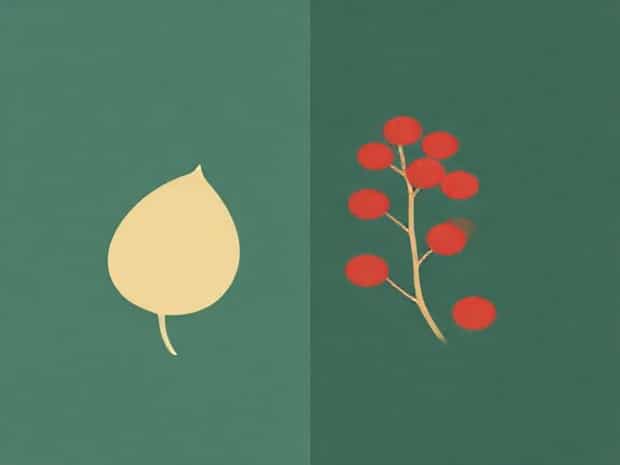
Difference Between Sumac And Poison Sumac
When it comes to plants that grow across North America, few cause as much confusion as sumac and poison sumac. While the names sound similar, the two plants are very different in appearance, habitat, and how they interact with people. Sumac has long been appreciated for its culinary and ornamental value, while poison sumac is infamous for the severe skin irritation it causes. Understanding the difference between sumac and poison sumac is important not only for outdoor enthusiasts but also for anyone interested in gardening, landscaping, or safe foraging. By learning how to recognize the characteristics of each, you can enjoy the benefits of one while avoiding the risks of the other.
Understanding Sumac
Sumac refers to a group of plants in the genusRhus. These shrubs and small trees are known for their bright red clusters of berries and feathery green leaves. They thrive in many regions, especially in dry, sunny areas, and are often found along roadsides, hillsides, and open fields.
Key Characteristics of Sumac
- Leaves Sumac leaves are pinnate, meaning they are composed of several small leaflets arranged along a central stem.
- Berries The plant produces dense clusters of red, fuzzy berries that form cone-shaped structures in late summer.
- Habitat Sumac is common in dry soils, open spaces, and areas that receive plenty of sunlight.
- Uses Culinary use of sumac is especially popular in Middle Eastern cuisine, where the ground berries are used as a tangy spice.
Sumac is not only safe to touch but also valued for its aesthetic beauty in landscapes. In the fall, its leaves turn a stunning shade of red or orange, making it a favorite for decorative planting.
Understanding Poison Sumac
Poison sumac, on the other hand, belongs to the genusToxicodendron, which also includes poison ivy and poison oak. This plant is notorious for the rash it causes upon contact, triggered by the oily compound urushiol found in its sap.
Key Characteristics of Poison Sumac
- Leaves Poison sumac has 7 to 13 leaflets that are smooth-edged and oval-shaped, often with a glossy appearance.
- Berries Instead of red berries, poison sumac produces clusters of whitish or pale green berries that droop downward.
- Habitat This plant grows in wet, swampy areas such as bogs and marshes, unlike sumac which prefers dry ground.
- Risks Contact with poison sumac can lead to an itchy, blistering rash that may last for weeks.
Because it thrives in wetlands, most people will not encounter poison sumac unless they venture into swampy environments. Still, knowing how to identify it is essential for avoiding painful reactions.
Main Differences Between Sumac and Poison Sumac
Though they share part of the same name, the differences between sumac and poison sumac are striking. Recognizing these distinctions is crucial for safety and appreciation of these plants.
Appearance
- Sumac Has bright red, upright berry clusters and finely serrated leaflets.
- Poison Sumac Produces drooping white berries and has smooth, shiny leaflets with no serrated edges.
Habitat
- Sumac Grows in dry, sunny environments such as open fields, hills, and along roadsides.
- Poison Sumac Thrives in swampy, waterlogged soils, making it less common to encounter casually.
Human Interaction
- Sumac Safe to touch, used as a spice, and admired for ornamental beauty.
- Poison Sumac Dangerous to touch due to urushiol, leading to severe allergic reactions.
Culinary and Cultural Importance of Sumac
Sumac has been used for centuries in traditional cooking and medicine. The red berries are dried and ground into a powder that adds a tangy, lemon-like flavor to foods. In Middle Eastern dishes, sumac is sprinkled over meats, salads, and rice. Native American tribes also used sumac berries to brew refreshing drinks, sometimes called sumac lemonade.
Beyond food, sumac has cultural significance. It has been used in natural dyes, traditional medicine, and even in smoking mixtures. Its vibrant red berries make it an attractive symbol in various cultures, representing resilience and beauty.
Health Risks of Poison Sumac
Poison sumac poses serious risks to anyone who touches it. The urushiol oil can cause intense itching, swelling, and blisters. In severe cases, exposure may even require medical treatment. Unlike sumac, poison sumac has no culinary or ornamental value. Instead, its presence is generally regarded as a warning sign in swampy ecosystems.
Tips for Identifying Sumac vs. Poison Sumac
If you spend time outdoors, it is important to know how to distinguish between the two plants. Here are some practical tips
- Look at the berries Red and upright means safe sumac, while white and drooping means poison sumac.
- Check the location Dry hillsides and fields usually mean sumac, while swamps and bogs point to poison sumac.
- Study the leaves Finely serrated and feathery leaflets belong to sumac; smooth, glossy leaves suggest poison sumac.
Why the Confusion Exists
The confusion between sumac and poison sumac often comes from their names. People assume that because they share the term sumac, they must be closely related. However, true sumacs belong toRhus, while poison sumac is part ofToxicodendron. They are different enough botanically that they should not be grouped together, except for convenience of naming.
Safety Measures in the Wild
If you are hiking or foraging, always take precautions to avoid poison sumac. Wear long sleeves, pants, and gloves when exploring swampy areas. If you accidentally touch poison sumac, wash the area with soap and cold water immediately. Avoid burning the plant, as inhaling the smoke can cause severe respiratory issues.
Knowing the difference between sumac and poison sumac can make the outdoors safer and more enjoyable. Sumac is a versatile, beautiful plant valued for its culinary uses and visual appeal, while poison sumac is a plant to be avoided due to its toxic effects. By paying attention to the details of appearance, habitat, and berries, anyone can confidently tell them apart. Whether you are a gardener, hiker, or simply curious about plants, understanding these differences ensures that you can enjoy the beauty of sumac without the risks associated with poison sumac.