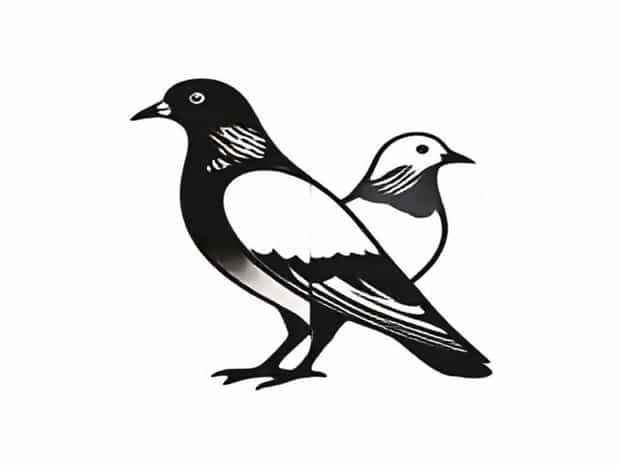
Difference Between Squab And Pigeon
When exploring the culinary and ornithological world, the terms squab and pigeon often appear interchangeably, yet they carry distinct meanings that are important to understand. Both squab and pigeon belong to the same bird family, but their age, size, and usage differentiate them significantly. For chefs, food enthusiasts, and bird watchers, knowing the difference between squab and pigeon is essential not only for proper cooking and dining experiences but also for understanding the biology and behavior of these birds. These distinctions influence how the birds are raised, harvested, and prepared in cuisine around the world.
Definition and Age Difference
Squab is a term specifically used to refer to young domestic pigeons that are usually under four weeks old. At this stage, the bird has not yet developed the ability to fly and is tender, making it highly prized for its delicate meat. In culinary contexts, squab is recognized for its soft texture, subtle flavor, and succulent qualities. Pigeon, in contrast, refers to the mature bird, which can range from a few months old to adult age. Pigeons are stronger, fully feathered, and capable of flight, which affects both their texture and taste when consumed. The age difference between squab and pigeon is one of the primary factors that distinguishes these birds in gastronomy and farming.
Physical Characteristics
Physically, squab and pigeon also differ due to their age and development. Squab is small, plump, and tender, with minimal muscle development. The meat is typically more delicate, making it suitable for gourmet dishes. Pigeon, being older, has firmer muscles, a leaner body, and more pronounced bones. The feathers and plumage of a pigeon are fully developed, while squab often retains a soft down or sparse feathering. These physical characteristics influence cooking techniques, as squab can be roasted or seared quickly, whereas pigeon may require slower cooking methods to ensure tenderness.
Culinary Uses and Flavor Profile
In cuisine, squab and pigeon are valued differently due to their distinct flavors and textures. Squab is considered a delicacy in many cultures, including French, Chinese, and Middle Eastern cuisines. Its meat is tender, mild, and slightly sweet, making it ideal for roasting, pan-searing, or incorporating into refined dishes. Pigeon meat, while edible, has a stronger and gamier flavor that is more pronounced. It is often used in traditional recipes where the meat is marinated, stewed, or braised to balance its robust taste. Understanding these differences is crucial for chefs and home cooks aiming to achieve the best flavor and texture in their dishes.
Preparation and Cooking Techniques
The preparation of squab and pigeon requires different approaches due to their texture and tenderness. Squab is typically cooked whole and requires minimal seasoning to highlight its natural flavor. Common techniques include roasting, grilling, and pan-searing, often paired with delicate sauces or complementary herbs. Pigeon, on the other hand, may need longer cooking times or marination to soften the meat and reduce the gaminess. Braising, stewing, and slow roasting are common methods for pigeon, allowing the meat to become tender and flavorful. Chefs often consider the bird’s age and size when determining cooking times and methods to achieve the desired results.
Raising and Farming Practices
The difference between squab and pigeon also extends to how they are raised. Squab is typically produced in controlled environments where young birds are harvested early for culinary purposes. Farmers focus on providing optimal nutrition and care to ensure the meat is tender and flavorful. Pigeons, particularly those not intended for immediate consumption, are often raised for breeding, racing, or as pets. Their diet and exercise levels affect their flavor and muscle development, which in turn influences how they are used in cooking. These farming practices highlight the importance of age, nutrition, and environment in producing squab versus adult pigeons.
Global Culinary Traditions
Squab and pigeon have different roles in global culinary traditions. In Chinese cuisine, squab is often roasted with spices and served at celebratory meals, prized for its tender texture. In French cuisine, squab is a staple in gourmet dishes, often paired with rich sauces and fine wines. Pigeon, being older, may appear in rustic European recipes, stews, or casseroles, where slow cooking enhances its flavor. Middle Eastern and North African cuisines also utilize both squab and pigeon, sometimes stuffing them with rice, herbs, and nuts for festive dishes. Recognizing these culinary traditions helps illustrate why the distinction between squab and pigeon is significant in gastronomy.
Nutritional Value
Both squab and pigeon provide valuable nutrients, but their nutritional profiles differ due to age and development. Squab is high in protein and low in fat, with tender meat that is easy to digest. Its nutritional content is often considered superior for delicate dishes and health-conscious diners. Pigeon meat, while also rich in protein, may have a higher fat content and denser muscle, providing a heartier and more robust nutrient profile. Vitamins and minerals, including iron, zinc, and B vitamins, are present in both, making them beneficial additions to a balanced diet when consumed responsibly.
Availability and Market Considerations
Squab is generally less available than pigeon due to the specific conditions required for raising young birds. Specialty markets, gourmet restaurants, and certain farmers’ markets often carry squab, while adult pigeons may be more readily available in rural areas or for traditional uses. Price differences also reflect the rarity and delicacy status of squab, making it a premium choice for culinary enthusiasts. Pigeon meat may be more accessible for home cooks or for use in traditional recipes where gamier meat is preferred. Understanding availability helps consumers and chefs make informed choices about purchasing and cooking these birds.
Ethical and Cultural Considerations
Raising and consuming squab and pigeon involves ethical and cultural considerations. In many regions, squab farming is regulated to ensure humane treatment of the birds and maintain quality standards. Pigeons may also be raised with attention to ethical practices, particularly for racing or pet purposes. Cultural norms influence how these birds are perceived and consumed, with squab often seen as a delicacy and pigeon more commonly associated with traditional or rustic dishes. Awareness of these considerations can guide responsible consumption and appreciation of these birds in culinary contexts.
Summary of Key Differences
- AgeSquab is a young bird under four weeks; pigeon is mature.
- TextureSquab is tender and delicate; pigeon is firmer and more muscular.
- FlavorSquab has mild, slightly sweet meat; pigeon has stronger, gamier taste.
- Cooking MethodsSquab is often roasted or pan-seared; pigeon is braised, stewed, or slow-roasted.
- UsageSquab is a culinary delicacy; pigeon may be used in rustic or traditional recipes.
- AvailabilitySquab is less common and more expensive; pigeon is more widely available.
Understanding the difference between squab and pigeon is essential for culinary enthusiasts, chefs, and those interested in avian biology. While both belong to the same bird family, squab is a young, tender bird prized for its delicate meat, whereas pigeon is a mature bird with firmer, gamier meat. Age, texture, flavor, cooking methods, and cultural significance all play roles in distinguishing these birds. By appreciating these differences, individuals can make informed choices when purchasing, preparing, or enjoying squab and pigeon, ensuring that each dish highlights the unique qualities of the bird and the traditions surrounding its use. From gourmet feasts to traditional recipes, the distinction between squab and pigeon remains a key factor in achieving the best culinary experience.