Difference Between Sparrowhawk And Peregrine Falcon
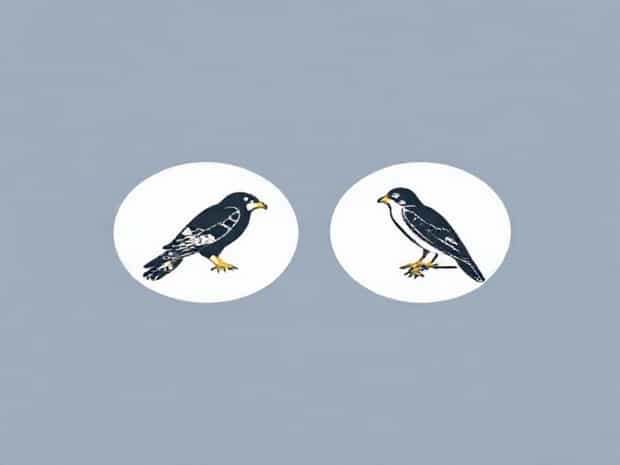
Birds of prey are some of the most fascinating creatures in the animal kingdom, admired for their speed, agility, and hunting prowess. Among these raptors, the sparrowhawk and peregrine falcon are two of the most well-known species, often observed across Europe, North America, and parts of Asia. While both are predators and share some ecological similarities, they differ significantly in size, hunting techniques, physical characteristics, and habitat preferences. Understanding these differences is essential for bird watchers, ornithologists, and nature enthusiasts who wish to correctly identify and appreciate these magnificent birds.
Physical Characteristics
The sparrowhawk (Accipiter nisus) is a relatively small bird of prey, with a slender body and short wings designed for maneuverability. Adult males typically measure 29 to 34 centimeters in length, while females are larger, ranging from 35 to 41 centimeters. Their wingspan varies from 59 to 64 centimeters. Sparrowhawks have a distinctive barred chest, yellow eyes, and long tails that help them navigate through dense foliage while hunting small birds.
In contrast, the peregrine falcon (Falco peregrinus) is larger and more robust, known for its incredible speed and aerodynamic body. Adult peregrines measure 34 to 58 centimeters in length, with a wingspan of 74 to 120 centimeters. They are characterized by a dark hood over the head, a pronounced black moustache mark, and blue-gray wings with barred patterns on the underparts. Peregrines have powerful talons and beaks designed to strike and kill prey in mid-air, reflecting their role as apex aerial predators.
Coloration and Markings
One of the key differences between sparrowhawks and peregrine falcons is their coloration. Sparrowhawks exhibit sexual dimorphism males have bluish-gray upperparts and rufous underparts with fine barring, while females are brownish on top with coarser barring below. These subtle patterns aid in camouflage, allowing sparrowhawks to ambush prey from concealed positions.
Peregrine falcons, on the other hand, have a more striking appearance. Their slate-gray or blue-gray upperparts contrast sharply with their white or pale underparts, which are often heavily barred. This coloration, combined with their sleek body and pointed wings, enhances their visibility in the sky and supports their hunting strategy of high-speed dives known as stoops.
Hunting Techniques
Sparrowhawks primarily hunt small birds, relying on stealth, agility, and surprise. They often perch quietly in trees or bushes and wait for unsuspecting prey to pass by. Once spotted, the sparrowhawk uses rapid bursts of flight through dense vegetation to capture its target. This hunting style makes them highly effective in urban and woodland areas, where small bird populations are abundant.
Peregrine falcons employ a dramatically different hunting technique. They are renowned for their stoop, a high-speed dive from great heights to strike prey in mid-air. Peregrines feed mostly on medium-sized birds, such as pigeons and waterfowl, and their incredible speed up to 240 miles per hour during a stoop allows them to kill prey almost instantly. Unlike sparrowhawks, peregrine falcons hunt in open spaces and require unobstructed airspace to execute their dives effectively.
Prey Selection
- SparrowhawkSmall birds like sparrows, finches, and warblers; occasionally small mammals.
- Peregrine FalconMedium to large birds, including pigeons, ducks, and shorebirds; occasionally bats.
Habitat and Distribution
Sparrowhawks are commonly found in woodlands, hedgerows, gardens, and urban areas where small birds congregate. They are highly adaptable and can thrive in both rural and suburban environments. Their ability to hunt in dense cover allows them to coexist with humans, often going unnoticed despite their presence.
Peregrine falcons favor open landscapes, cliffs, coastal areas, and urban skyscrapers. They are widely distributed across continents and are known to migrate long distances. In cities, peregrines often nest on tall buildings and bridges, mimicking their natural cliff-side habitats. This adaptability to urban environments has helped the species recover from population declines caused by pesticide use in the mid-20th century.
Nesting and Breeding
Sparrowhawks build nests in trees, usually well-concealed to protect against predators. The female incubates 3 to 5 eggs, and both parents participate in feeding the chicks. Their breeding season is typically in spring, coinciding with a peak in small bird abundance, ensuring sufficient food supply for growing offspring.
Peregrine falcons, conversely, often nest on cliffs or tall urban structures. They lay 3 to 4 eggs per clutch, with both parents involved in raising the young. Peregrines reach sexual maturity later than sparrowhawks, and their long lifespan allows them to establish long-term breeding territories. Urban nesting has contributed significantly to their conservation, as city structures mimic their natural cliffside nesting sites.
Behavior and Adaptations
Behaviorally, sparrowhawks are secretive and agile, relying on quick maneuvers and stealth to catch prey. Their long tails aid in precise navigation through forests, while their keen eyesight ensures they can spot prey from a distance. They are solitary hunters and are most active during early morning and late afternoon.
Peregrine falcons are bold and aggressive hunters, adapted for high-speed aerial pursuits. Their streamlined bodies, powerful chest muscles, and pointed wings make them some of the fastest birds in the world. Peregrines are territorial during breeding season and often engage in dramatic aerial displays to establish dominance.
Conservation Status
Sparrowhawks generally have stable populations and are classified as Least Concern by the IUCN. However, habitat loss and changes in bird populations can affect local densities. Conservation efforts focus on maintaining woodlands and urban green spaces that support their prey base.
Peregrine falcons experienced severe population declines in the 20th century due to pesticide use, particularly DDT, which caused eggshell thinning. Conservation programs, captive breeding, and urban nesting initiatives have helped the species recover. Today, peregrines are also classified as Least Concern, though monitoring continues to ensure populations remain stable.
In summary, the sparrowhawk and peregrine falcon are two remarkable raptors with distinct differences in size, physical appearance, hunting strategies, habitat preferences, and behavior. While sparrowhawks excel in stealth and maneuverability in dense vegetation, peregrine falcons are unmatched in aerial speed and open-air hunting. Understanding these differences enriches the experience of bird watchers and emphasizes the diversity of adaptations among birds of prey. Whether observing the swift stoop of a peregrine falcon or the agile chase of a sparrowhawk, both species exemplify the incredible skills and evolutionary traits that make raptors some of the most captivating predators in the avian world.