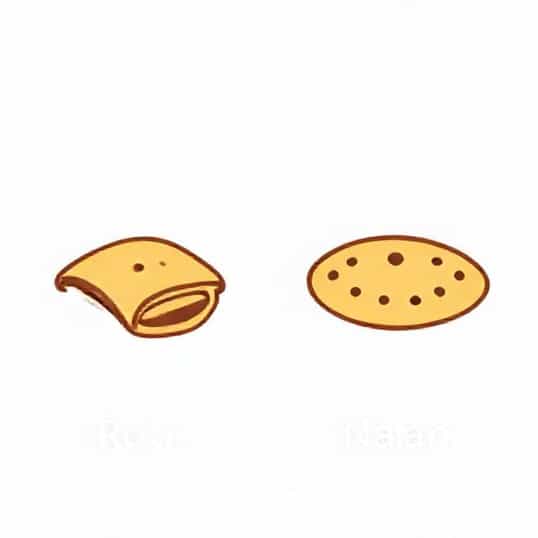
Difference Between Roti And Naan
Roti and naan are two of the most popular types of Indian bread, each enjoyed in homes and restaurants around the world. While they may appear similar at first glance, their ingredients, preparation methods, texture, and cultural significance reveal key differences that make each unique. Both breads have been refined over centuries to complement a wide variety of Indian dishes, from spicy curries to grilled meats and vegetarian specialties. Understanding the difference between roti and naan allows food enthusiasts to fully appreciate the culinary traditions and flavors of Indian cuisine, whether dining out or cooking at home.
Origins and Cultural Significance
Roti is a staple of Indian households, with origins tracing back thousands of years. It is considered an everyday bread that is simple to prepare and pairs well with a variety of dishes. Roti reflects the traditional, rustic cooking methods used in rural India, where it has been a central part of meals for generations. Naan, on the other hand, has its roots in Persian and Mughal culinary traditions. It became popular in Northern India through royal kitchens and has historically been associated with more elaborate meals and special occasions.
Ingredients Used
The basic ingredients for roti and naan differ slightly, which contributes to their distinct textures and flavors. Roti is made primarily with whole wheat flour, water, and sometimes a pinch of salt. The simplicity of the ingredients highlights the natural nutty flavor of the wheat, making roti a light and wholesome bread. Some variations of roti may include oil or ghee for added softness, but traditional recipes remain minimalistic.
Naan is richer in ingredients, which results in a softer, more tender texture. The dough is made with refined wheat flour (maida), yogurt, water, yeast, and often a small amount of sugar or milk. Yogurt adds slight tanginess while helping to create a soft, pillowy bread. Yeast allows the dough to rise, giving naan its characteristic fluffiness and slightly chewy texture. Butter or ghee is often brushed on top after baking to enhance flavor and aroma.
Preparation Techniques
The preparation techniques of roti and naan differ significantly, affecting both texture and cooking time. Roti is typically prepared by kneading the dough into a smooth consistency, rolling it into thin rounds, and cooking it on a flat skillet or tava. The bread is cooked quickly at high heat, often puffing up slightly as steam forms inside. Roti requires no fermentation, making it a quick and convenient option for everyday meals.
Naan preparation involves fermentation due to the inclusion of yeast or yogurt, which allows the dough to rise and develop air pockets. Traditionally, naan is baked in a tandoor, a cylindrical clay oven that imparts a smoky flavor and slightly charred surface. The high heat of the tandoor creates the signature golden-brown spots and fluffy texture. At home, naan can also be cooked on a skillet or in an oven, although achieving the same texture as tandoor-baked naan can be challenging.
Texture and Flavor Differences
Texture is one of the most noticeable differences between roti and naan. Roti is generally thin, soft, and slightly chewy, with a dry surface that allows it to soak up curries and sauces efficiently. It has a more rustic texture and a natural, earthy flavor due to whole wheat flour. Naan, in contrast, is thicker, fluffier, and richer in taste. Its slightly chewy interior and crisp exterior, especially when baked in a tandoor, create a more indulgent eating experience.
Flavor profiles also differ due to the ingredients used. Roti has a subtle, nutty flavor that complements any dish without overpowering it. Naan has a richer, more complex flavor with hints of tanginess from yogurt and a buttery aroma when brushed with ghee or butter. Garlic naan, cheese naan, and other flavored variations offer additional layers of taste, making naan a versatile option for pairing with more robust dishes.
Serving Methods and Uses
Roti is commonly served as an everyday bread in Indian meals, accompanying lentils, vegetables, and curries. Its thin, pliable nature makes it perfect for wrapping around fillings or scooping up sauces. Families often prepare multiple rotis in one meal, emphasizing convenience and practicality.
Naan, due to its thicker and richer nature, is often served alongside special dishes such as butter chicken, tikka masala, and kebabs. It is also popular in restaurant settings and festive occasions. Naan can be used as a scoop for thick curries or enjoyed on its own with a brush of butter or herbs. Specialty naans, such as cheese or stuffed varieties, elevate the meal and add a gourmet touch to traditional Indian dining.
Popular Variations
- Roti VariationsChapati (unleavened), phulka (puffed on direct flame), paratha (layered and pan-fried with oil)
- Naan VariationsGarlic naan, butter naan, cheese naan, stuffed naan with potato or meat fillings
Nutritional Differences
Roti is generally considered healthier due to its use of whole wheat flour and minimal fat. It is high in fiber, provides sustained energy, and is low in calories, making it a staple for those seeking a nutritious and filling meal. Naan, made with refined flour, yogurt, and sometimes sugar, is richer in calories and slightly higher in fat, especially when topped with butter or ghee. While naan is indulgent and flavorful, roti is often the preferred choice for everyday meals focused on nutrition.
Regional Preferences
Roti is widely consumed across India, especially in rural areas and households that prioritize simplicity and health. It is also popular in countries with large Indian communities, such as Pakistan, Nepal, and Bangladesh. Naan is more common in Northern India and is often associated with Mughlai cuisine. Due to its rich taste and indulgent texture, naan is also favored in restaurants and urban centers where special dishes are served. Both breads have crossed borders and are now enjoyed globally, contributing to the international popularity of Indian cuisine.
Common Misconceptions
- Roti is not always dry; it can be soft and slightly chewy depending on preparation.
- Naan is not the same as pizza bread; it has a distinct texture and flavor unique to Indian cuisine.
- Both breads can be paired with a wide variety of dishes, but naan is often reserved for richer, creamier curries.
The difference between roti and naan lies in ingredients, preparation, texture, flavor, and cultural origins. Roti is a thin, whole wheat bread that is quick to prepare, nutritious, and ideal for everyday meals. Naan is a thicker, yeast-leavened bread with a rich flavor, fluffy texture, and indulgent aroma, often associated with special dishes and festive occasions. Both breads play a significant role in Indian cuisine, complementing a wide array of dishes while showcasing the diversity of regional cooking techniques. Understanding these differences allows food enthusiasts to enjoy both breads appropriately and appreciate the unique culinary heritage that has made roti and naan staples in kitchens around the world.