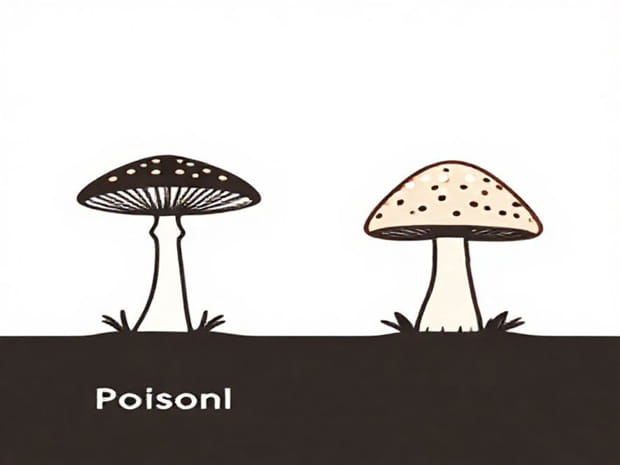
Difference Between Poisonous And Nonpoisonous Mushrooms
Mushrooms are fascinating organisms that come in a wide variety of shapes, sizes, and colors. While some mushrooms are edible and offer nutritional and medicinal benefits, others are highly toxic and can pose serious health risks if consumed. Understanding the difference between poisonous and nonpoisonous mushrooms is crucial for anyone who enjoys foraging, cooking, or studying fungi. Distinguishing between the two involves careful observation of physical characteristics, knowledge of their natural habitats, and awareness of potential health effects. By learning how to identify mushrooms safely, individuals can enjoy the culinary and ecological benefits of fungi without risking poisoning or other complications.
What Are Nonpoisonous Mushrooms?
Nonpoisonous mushrooms, often referred to as edible mushrooms, are varieties that can be safely consumed by humans. These mushrooms provide a range of nutrients including vitamins, minerals, fiber, and protein, and many have been used in traditional medicine for centuries. Common edible mushrooms include varieties such as Agaricus bisporus (button mushrooms), shiitake, maitake, and oyster mushrooms. Nonpoisonous mushrooms are generally safe to eat when properly identified, cleaned, and cooked. They are found in diverse habitats, from forests and grasslands to cultivated farms, making them widely available in markets and grocery stores.
Key Characteristics of Nonpoisonous Mushrooms
- Color varies but often includes brown, white, or beige tones; vibrant colors are rare.
- Firm texture with a pleasant smell, usually earthy or nutty.
- Spore print color is typically white, brown, or tan, depending on the species.
- Gills or pores underneath the cap are consistent and evenly spaced.
- Habitat is often well-known and documented for edible species.
- Cooking enhances flavor and reduces any minor toxins naturally present in some edible mushrooms.
What Are Poisonous Mushrooms?
Poisonous mushrooms are those that contain toxins harmful to humans or animals if ingested. Some can cause mild gastrointestinal distress, while others may be fatal even in small quantities. Famous poisonous species include Amanita phalloides (death cap), Amanita muscaria (fly agaric), and Galerina marginata. Poisonous mushrooms often resemble edible varieties, which makes identification challenging for beginners. These mushrooms can grow in similar environments to edible mushrooms, including forests, grasslands, and gardens. Symptoms of poisoning vary depending on the toxin, but may include nausea, vomiting, abdominal pain, liver failure, and neurological effects. Immediate medical attention is critical if poisonous mushrooms are suspected to have been ingested.
Key Characteristics of Poisonous Mushrooms
- Bright or unusual colors such as red, yellow, or orange in some species.
- Unpleasant or chemical-like odors in certain toxic varieties.
- Presence of warts, scales, or rings on the cap and stem.
- White gills can sometimes indicate a deadly Amanita species.
- Growing in clusters in shaded, moist areas where toxic species thrive.
- Some poisonous mushrooms have a bulbous base or volva, a cup-like structure at the stem base.
Differences Between Poisonous and Nonpoisonous Mushrooms
While some differences are visually apparent, others require closer inspection and experience to identify. One of the main distinctions lies in the chemical composition of the mushrooms, which directly affects human consumption. Nonpoisonous mushrooms contain nutrients beneficial to health, whereas poisonous mushrooms contain compounds such as amatoxins, muscimol, and gyromitrin, which disrupt bodily functions. Additionally, spore print color, cap shape, gill attachment, and growth habitat can provide clues for identification. Foraging guides often emphasize these features to help enthusiasts safely distinguish between edible and toxic mushrooms.
Visual and Structural Differences
- Nonpoisonous mushrooms typically have uniform gill spacing and smooth caps.
- Poisonous mushrooms may have irregular gill patterns, warts, or distinctive caps.
- Edible mushrooms often grow singly or in small groups; toxic mushrooms may grow in clusters.
- Color patterns in poisonous mushrooms can serve as warning signals, though some edible mushrooms are also brightly colored.
Chemical and Health Differences
- Nonpoisonous mushrooms provide vitamins, minerals, and antioxidants beneficial for health.
- Poisonous mushrooms contain toxins that can affect the liver, kidneys, and nervous system.
- Symptoms of eating poisonous mushrooms may appear hours or even days after ingestion.
- Nonpoisonous mushrooms are generally safe to consume raw or cooked, though cooking enhances flavor.
- Poisonous mushrooms can be fatal, making accurate identification essential before consumption.
Tips for Safely Identifying Mushrooms
Accurate identification is crucial for anyone interested in foraging mushrooms. Beginners should never consume wild mushrooms without proper guidance from experienced foragers or reliable field guides. Taking photographs, making spore prints, and noting the habitat can help with identification. Joining mycology clubs or online communities allows for sharing knowledge and learning from experts. When in doubt, it is safest to avoid consuming mushrooms whose identity is uncertain. Safe practices minimize the risk of poisoning and allow individuals to enjoy the benefits of edible fungi responsibly.
Best Practices for Foraging
- Use multiple identification resources including books, apps, and expert consultations.
- Observe the mushroom’s cap, gills, stem, spore print, and habitat carefully.
- Avoid mushrooms with unfamiliar colors, shapes, or odors.
- Do not rely solely on folklore or myths to determine edibility.
- When unsure, do not consume the mushroom; safety is more important than curiosity.
The difference between poisonous and nonpoisonous mushrooms lies in their chemical composition, physical characteristics, and potential effects on human health. Nonpoisonous mushrooms offer nutritional and culinary benefits, while poisonous mushrooms contain toxins that can cause mild to severe illness or death. Recognizing the visual and structural differences, understanding chemical properties, and practicing safe foraging are essential for anyone interested in consuming wild mushrooms. By educating oneself and using reliable resources, mushroom enthusiasts can enjoy the diverse flavors and benefits of edible fungi while avoiding dangerous species. Awareness, caution, and knowledge are key to safely navigating the fascinating world of mushrooms.
Ultimately, whether for cooking, foraging, or studying, understanding the distinction between poisonous and nonpoisonous mushrooms ensures a safe and enriching experience. By carefully observing characteristics, consulting experts, and exercising caution, individuals can enjoy edible mushrooms while avoiding the hazards associated with toxic species. This knowledge empowers mushroom enthusiasts to explore nature responsibly, appreciate fungal diversity, and incorporate safe, healthy mushrooms into their culinary practices with confidence.