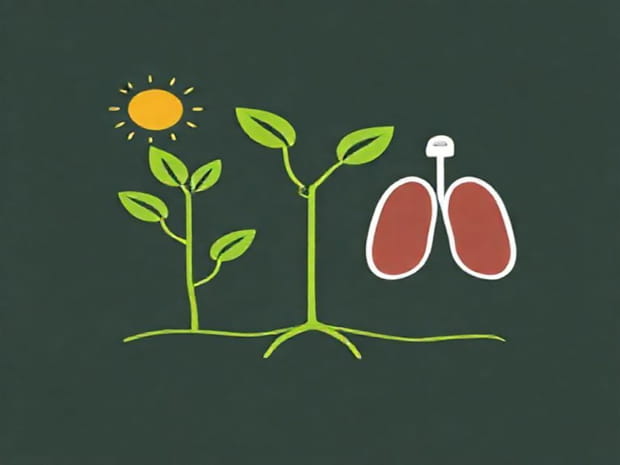
Difference Between Photosynthesis And Respiration
Photosynthesis and respiration are two fundamental biological processes that sustain life on Earth. While they are closely related and involve the transformation of energy, they serve opposite functions in the ecosystem. Photosynthesis allows plants, algae, and certain bacteria to capture light energy and convert it into chemical energy, producing glucose and oxygen. On the other hand, respiration is the process by which living organisms, including plants and animals, break down glucose molecules to release energy for cellular activities. Understanding the differences between these two processes is essential for appreciating the flow of energy and matter within ecosystems.
Definition and Purpose
Photosynthesis
Photosynthesis is a process that occurs in the chloroplasts of plant cells, algae, and photosynthetic bacteria. Its primary purpose is to convert solar energy into chemical energy stored in glucose molecules. By using carbon dioxide (CO2) and water (H2O), organisms performing photosynthesis produce glucose (C6H12O6) and release oxygen (O2) as a by-product. Essentially, photosynthesis captures and stores energy from sunlight for later use by the organism and other living beings that consume plants.
Respiration
Respiration, in contrast, is a metabolic process that occurs in the mitochondria of both plant and animal cells. Its main purpose is to release energy stored in glucose molecules for immediate use in cellular activities such as growth, repair, movement, and reproduction. During respiration, glucose is broken down using oxygen to produce carbon dioxide, water, and adenosine triphosphate (ATP), the energy currency of cells. While photosynthesis stores energy, respiration releases it for practical use.
Chemical Equations
Understanding the chemical equations helps to highlight the differences and the interconnectedness of these two processes.
Photosynthesis Equation
6 CO2+ 6 H2O + light energy → C6H12O6+ 6 O2
This equation shows that photosynthesis consumes carbon dioxide and water, using light energy to produce glucose and oxygen.
Respiration Equation
C6H12O6+ 6 O2→ 6 CO2+ 6 H2O + energy (ATP)
Here, respiration breaks down glucose in the presence of oxygen to release carbon dioxide, water, and energy.
Energy Transformation
Energy flow is a key distinction between photosynthesis and respiration. In photosynthesis, light energy from the sun is converted into chemical energy stored in glucose. This process is endergonic, meaning it requires energy input. In respiration, the chemical energy stored in glucose is converted into usable cellular energy in the form of ATP. Respiration is exergonic, releasing energy that cells can immediately use for various metabolic processes.
Location in the Cell
- PhotosynthesisOccurs in the chloroplasts, which contain the pigment chlorophyll responsible for capturing light energy.
- RespirationOccurs in the mitochondria, often referred to as the powerhouse of the cell, where glucose is broken down to release ATP.
Type of Organisms
Photosynthesis is primarily carried out by plants, algae, and certain bacteria that contain chlorophyll or other photosynthetic pigments. These organisms are known as autotrophs because they can produce their own food using light energy. Respiration, on the other hand, is performed by almost all living organisms, including plants, animals, fungi, and microorganisms. It is a universal process that provides the energy necessary for survival.
Dependence on Sunlight
Another significant difference is the reliance on sunlight. Photosynthesis requires light energy to drive the reactions that produce glucose and oxygen. Without sunlight, the photosynthetic process cannot occur efficiently. Respiration, however, does not depend on sunlight. It occurs continuously in cells, day and night, as long as glucose and oxygen are available, ensuring a constant supply of energy for the organism.
Role in the Ecosystem
Both photosynthesis and respiration play crucial roles in maintaining ecological balance. Photosynthesis contributes oxygen to the atmosphere and serves as the foundation of the food chain by producing glucose, which fuels herbivores and, subsequently, carnivores. Respiration ensures that energy is available for organisms to perform essential life functions. The carbon dioxide released during respiration is also used by plants during photosynthesis, creating a cyclical relationship between the two processes.
Summary of Key Differences
- FunctionPhotosynthesis stores energy; respiration releases energy.
- Equation DirectionPhotosynthesis consumes CO2and H2O; respiration produces CO2and H2O.
- Energy TypePhotosynthesis is endergonic (requires energy); respiration is exergonic (releases energy).
- Cellular LocationPhotosynthesis occurs in chloroplasts; respiration occurs in mitochondria.
- OrganismsPhotosynthesis is limited to autotrophs; respiration occurs in almost all living organisms.
- Dependence on SunlightPhotosynthesis requires light; respiration does not.
photosynthesis and respiration are complementary processes that sustain life on Earth. Photosynthesis captures light energy and stores it in glucose while producing oxygen, supporting both autotrophs and heterotrophs. Respiration releases the energy stored in glucose to power essential cellular activities and returns carbon dioxide to the atmosphere, which plants use for photosynthesis. Despite their differences, the two processes are interconnected, forming a cycle that ensures the flow of energy and matter within ecosystems. Understanding these differences highlights the importance of each process and their roles in maintaining life, ecological stability, and the balance of gases in the atmosphere.
Overall, the distinction between photosynthesis and respiration lies in their purpose, energy flow, and occurrence within cells, yet both are indispensable for life. Plants, animals, and microorganisms all rely on the balance of these processes to survive and thrive. By appreciating how photosynthesis and respiration work together, we gain a deeper understanding of the biological and ecological systems that support life on our planet.