Difference Between Pelvis And Perineum
The pelvis and perineum are two anatomical regions that are often discussed together due to their close proximity and interconnected functions, yet they represent distinct structures with different boundaries, contents, and roles. Understanding the difference between the pelvis and perineum is essential for students of anatomy, medical professionals, and anyone interested in human biology, as it provides clarity on the organization of the lower torso, reproductive and urinary systems, and musculoskeletal support. These regions not only play critical roles in supporting the body and protecting vital organs but also in facilitating movement, excretion, and reproductive functions.
Definition and Overview of the Pelvis
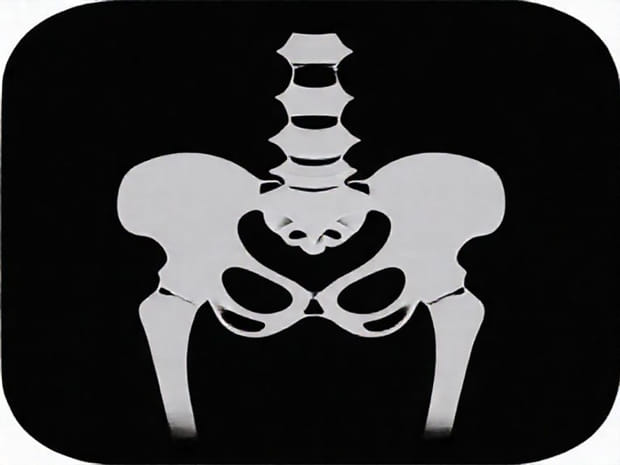
The pelvis is a bony structure located at the lower part of the trunk, connecting the spine to the lower limbs. It consists of the hip bones, sacrum, and coccyx, forming a basin-like cavity that houses and protects organs of the urinary, digestive, and reproductive systems. The pelvis provides structural support for the weight of the upper body and serves as an attachment point for muscles involved in posture, locomotion, and childbirth.
Components of the Pelvis
- Hip Bones – Each hip bone consists of the ilium, ischium, and pubis, which fuse during adulthood.
- Sacrum – A triangular bone formed by the fusion of five sacral vertebrae, connecting the spine to the pelvis.
- Coccyx – Commonly known as the tailbone, consisting of fused vertebrae at the base of the spine.
- Pelvic Joints – Include the sacroiliac joints and pubic symphysis, which provide stability while allowing limited movement.
Functions of the Pelvis
The pelvis serves several vital functions, including
- Supporting the weight of the upper body while standing and sitting.
- Providing attachment points for muscles of the abdomen, back, and lower limbs.
- Protecting pelvic organs such as the bladder, rectum, and reproductive organs.
- Forming the birth canal in females, facilitating childbirth.
Definition and Overview of the Perineum
The perineum is the anatomical region located below the pelvic floor, between the thighs. It forms the area between the pubic symphysis anteriorly, the coccyx posteriorly, and the ischial tuberosities laterally. Unlike the bony pelvis, the perineum is defined primarily by soft tissue structures, including muscles, fascia, and skin. This region plays an essential role in supporting pelvic organs, controlling continence, and facilitating reproductive functions.
Components of the Perineum
- Urogenital Triangle – Located anteriorly, containing structures such as the external genitalia and urethral openings.
- Anal Triangle – Located posteriorly, containing the anus and associated muscles.
- Perineal Muscles – Include the superficial and deep muscles that support pelvic organs and contribute to continence.
- Fascia and Connective Tissue – Provide structural support and integrity to the perineal region.
Functions of the Perineum
The perineum performs several critical functions
- Supports the pelvic organs, preventing prolapse.
- Facilitates urinary and fecal continence through muscular control.
- Contributes to sexual function and reproductive health.
- Provides passage for childbirth in females.
Structural Differences Between Pelvis and Perineum
While the pelvis and perineum are closely related, their structural differences are significant. The pelvis is a rigid, bony framework that forms a protective cavity, whereas the perineum is primarily composed of soft tissue and muscles that form the floor of the pelvic cavity. The pelvis provides stability and support for the body’s weight, while the perineum allows for flexibility and function in excretion, reproduction, and movement.
Bony vs. Soft Tissue
- Pelvis Composed mainly of bones, providing a rigid and durable structure.
- Perineum Composed of muscles, fascia, and skin, allowing dynamic movement and support.
Boundaries
- Pelvis Defined by the hip bones, sacrum, and coccyx, forming a basin-shaped cavity.
- Perineum Defined by superficial landmarks, including the pubic symphysis, coccyx, and ischial tuberosities.
Functional Differences Between Pelvis and Perineum
Functionally, the pelvis and perineum complement each other but serve different roles. The pelvis acts as a protective bony framework and supports major organs, whereas the perineum provides muscular support, controls continence, and facilitates reproductive processes. Both regions work together to maintain stability, mobility, and proper functioning of the lower torso and pelvic organs.
Pelvic Functions
- Weight-bearing and structural support for the upper body.
- Protection of internal organs, including bladder, rectum, and reproductive organs.
- Attachment sites for muscles of posture, locomotion, and childbirth.
Perineal Functions
- Support for pelvic organs and prevention of prolapse.
- Control of urinary and fecal continence via muscular action.
- Contribution to sexual function and childbirth.
- Flexibility to accommodate movements and pressure changes in the pelvic cavity.
Clinical Significance
Understanding the difference between the pelvis and perineum is crucial in clinical practice, especially in fields like obstetrics, gynecology, urology, and physical therapy. Conditions affecting the pelvis often involve bony structures, such as fractures or congenital malformations, whereas perineal issues usually involve muscles, fascia, or soft tissues, such as perineal tears, prolapse, or pelvic floor dysfunction.
Pelvic Clinical Considerations
- Pelvic fractures – Often resulting from trauma, requiring surgical stabilization.
- Osteoarthritis – Degeneration of pelvic joints, affecting mobility and stability.
- Congenital deformities – Abnormal pelvic shapes affecting childbirth and posture.
Perineal Clinical Considerations
- Perineal tears – Common during childbirth, requiring repair and rehabilitation.
- Pelvic floor dysfunction – Weakness in perineal muscles leading to incontinence or prolapse.
- Infections or trauma – Affecting soft tissues of the perineum, sometimes requiring surgical intervention.
Summary of Differences
In essence, the pelvis and perineum are interconnected regions with distinct characteristics
- Pelvis Bony, rigid, forms a protective cavity, supports weight, and provides attachment for muscles.
- Perineum Soft tissue, muscular, forms the floor of the pelvic cavity, supports organs, controls continence, and facilitates reproduction.
- Pelvis Structural and protective role.
- Perineum Functional and dynamic role.
- Both regions work together to maintain stability, support organ function, and allow movement.
The pelvis and perineum are distinct yet complementary regions of the lower torso. The pelvis provides a bony framework that protects internal organs and supports body weight, while the perineum consists of muscles and soft tissue that control continence, support the pelvic organs, and facilitate reproductive and sexual functions. Understanding their differences and interrelationship is essential for anatomy, clinical practice, and overall comprehension of human body mechanics. Recognizing the unique features of each region enhances knowledge of pelvic health, aids in the diagnosis and management of related conditions, and underscores the intricate design of the human lower torso, where bony structures and soft tissue work in harmony to ensure stability, flexibility, and functionality.