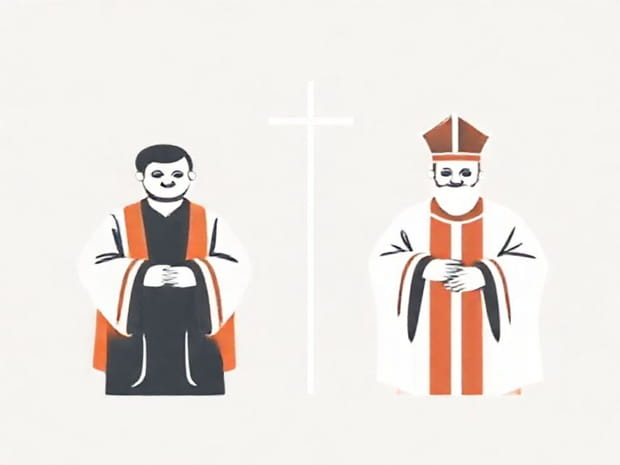
Difference Between Pastor And Priest
In Christianity, the terms pastor and priest are often used interchangeably by those who are not deeply familiar with church traditions, but in reality, they represent two distinct roles with unique responsibilities, theological meanings, and historical backgrounds. Understanding the difference between a pastor and a priest requires exploring not only their functions within the church but also their roots in different branches of Christianity. Both roles are vital for guiding believers in faith, yet they reflect different emphases on leadership, sacraments, and pastoral care.
Origins and Historical Background
The difference between pastor and priest can first be understood through their origins. The term priest has its roots in the Latin wordpresbyter, which originally meant elder. In Catholic, Orthodox, and some Anglican traditions, the priest functions as an ordained mediator who administers sacraments and represents Christ in the liturgy. The priesthood developed alongside the early church’s structure, influenced by Jewish temple traditions where priests served as intermediaries between God and the people.
On the other hand, the term pastor comes from the Latin word for shepherd. This role emerged more strongly within Protestant traditions, particularly after the Reformation. Pastors were seen primarily as shepherds of the congregation, focusing on preaching the Word of God, offering spiritual guidance, and ensuring the well-being of the flock. While both roles are rooted in scripture, their development reflects different theological emphases.
The Role of a Priest
In traditions such as Roman Catholicism, Eastern Orthodoxy, and Anglicanism, the priest carries out sacramental duties. A priest is ordained through a formal sacrament of Holy Orders and is authorized to perform essential rituals such as
- Celebrating the Eucharist (Mass or Divine Liturgy)
- Hearing confessions and granting absolution
- Administering baptism, confirmation, marriage, and anointing of the sick
- Serving as a spiritual mediator between God and the people
The priest’s central role is sacramental. He stands at the altar, offering prayers and consecrating bread and wine, which according to Catholic and Orthodox beliefs, become the body and blood of Christ. This sacramental authority highlights the priest as someone set apart, consecrated for a holy function.
The Role of a Pastor
In Protestant traditions, especially within evangelical, Baptist, Methodist, and Pentecostal communities, the pastor’s role is defined differently. A pastor does not act as a mediator in the same sacramental sense as a priest. Instead, the pastor is viewed as a shepherd whose primary responsibility is teaching, preaching, and caring for the spiritual growth of the congregation. Typical pastoral duties include
- Preaching sermons and teaching the Bible
- Leading worship services and prayer gatherings
- Providing counseling, guidance, and discipleship
- Visiting the sick, comforting the grieving, and mentoring church members
- Overseeing church administration and community outreach
While pastors may also conduct baptisms, weddings, and communion services, the emphasis lies less on sacramental transformation and more on remembering and proclaiming the gospel. The focus of pastoral leadership is the personal relationship between believers and Christ rather than acting as a formal intermediary.
Theological Differences
The theological distinction between pastor and priest is one of the most important aspects of their difference. In Catholic and Orthodox belief, priests are necessary for administering sacraments because they act in the person of Christ, making them indispensable for the spiritual life of believers. This reflects the belief in a hierarchical church where sacraments are channels of divine grace.
Protestant theology, however, emphasizes the priesthood of all believers. This means that all Christians have direct access to God through Christ without the need for a priestly mediator. As a result, pastors serve not as mediators but as leaders and teachers who help guide believers in their personal walk with God. The pastor’s role is more communal and supportive rather than sacramental.
Training and Ordination
Another difference between pastor and priest lies in how they are trained and ordained. Priests undergo rigorous seminary education, often including philosophy, theology, and canon law, before receiving the sacrament of Holy Orders from a bishop. Their ordination is a lifelong calling, binding them to celibacy in the Catholic tradition (except in some cases within the Eastern Catholic and Anglican churches).
Pastors also pursue theological training, usually at seminaries or Bible colleges, but the process varies widely across denominations. Some churches require formal seminary education, while others recognize pastoral calling through mentorship and practical ministry experience. Unlike priests, pastors may marry and have families, as pastoral ministry does not require celibacy in most Protestant communities.
Worship and Liturgy
The worship style reflects another clear difference between pastor and priest. In Catholic and Orthodox churches, the liturgy is highly structured, sacramental, and rooted in centuries of tradition. The priest follows a prescribed order of worship, emphasizing the Eucharist as the center of Christian life.
In Protestant churches, pastors often have more flexibility in leading services. While some denominations maintain a structured liturgy, many evangelical and non-denominational churches allow for creative expressions of worship. Sermons, music, testimonies, and prayer often take central roles, with communion observed less frequently compared to Catholic or Orthodox traditions.
Community Leadership
Both pastors and priests serve as community leaders, but the scope and nature of their leadership differ. Priests often focus on parish life, offering spiritual direction, administering sacraments, and maintaining the traditions of the church. They function within a hierarchical system under the authority of bishops and ultimately the pope in Catholicism.
Pastors, however, often have greater autonomy. In many Protestant denominations, pastors lead their congregations independently, guided by a board of elders or deacons. They play a central role in outreach, evangelism, and community service, with leadership that emphasizes flexibility and responsiveness to the needs of the congregation.
Similarities Between Pastor and Priest
Despite the differences, it is important to note the similarities between pastor and priest. Both are spiritual leaders tasked with guiding people in their faith journeys. They preach, teach, and provide moral guidance. Both visit the sick, comfort the grieving, and pray with their communities. Above all, they share the responsibility of pointing people toward God and nurturing spiritual growth.
The difference between pastor and priest lies in history, theology, and practice, but both roles are essential in the life of the church. Priests emphasize the sacramental presence of God through liturgy and sacraments, while pastors focus on preaching, teaching, and shepherding the congregation. One role highlights mediation and sacred rituals, the other emphasizes accessibility and personal relationship with God. Understanding these distinctions helps believers appreciate the richness of Christian traditions and the many ways spiritual leadership is expressed in the church. Whether guided by a pastor or a priest, the ultimate goal remains the same to draw people closer to God and strengthen their faith in Him.