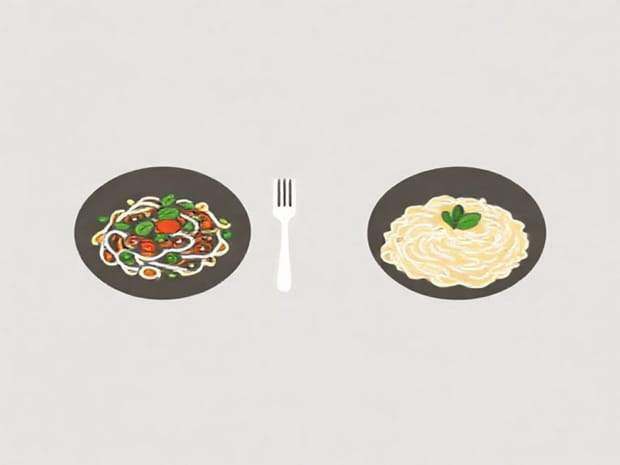
Difference Between Orzo And Risotto
Orzo and risotto are two staples in Italian cuisine that are often confused by home cooks due to their similarities in appearance and name. While both dishes feature small, grain-like components that can be cooked into creamy and flavorful meals, they are fundamentally different in terms of ingredients, cooking techniques, and culinary applications. Understanding the distinction between orzo and risotto allows for more accurate preparation and a better appreciation of the textures and flavors that make each unique. Both orzo and risotto offer versatility in the kitchen, but choosing the right one depends on the desired outcome for a dish.
What is Orzo?
Orzo is a type of pasta shaped like a large grain of rice. Its name comes from the Italian word for barley, reflecting its small, oblong shape. Unlike rice, orzo is made from durum wheat semolina, which gives it a slightly chewy texture when cooked. Orzo is incredibly versatile and can be used in soups, salads, casseroles, and side dishes. It cooks quickly, typically in 8-10 minutes, and absorbs flavors from broths, sauces, and seasonings, making it a convenient choice for a variety of recipes.
Characteristics of Orzo
- Ingredient Made from durum wheat semolina
- Shape Small, rice-like pasta
- Texture Slightly chewy when cooked properly
- Cooking Time Quick, around 8-10 minutes
- Uses Soups, salads, casseroles, side dishes
Orzo is popular in Mediterranean and Middle Eastern cuisine as well, often appearing in dishes that combine grains with vegetables, meats, and herbs. It is valued for its ability to absorb flavors while maintaining its shape, making it a versatile ingredient in both hot and cold dishes.
What is Risotto?
Risotto, on the other hand, is a traditional Italian rice dish known for its creamy texture and rich flavor. It is made using specific types of short-grain rice, such as Arborio, Carnaroli, or Vialone Nano, which release starch during cooking to create the signature creamy consistency. Unlike orzo, risotto is not a type of pasta but rather a method of preparing rice slowly by adding broth gradually and stirring continuously. The result is a luxurious, velvety dish that can be flavored with a variety of ingredients, including vegetables, seafood, meats, and cheeses.
Characteristics of Risotto
- Ingredient Short-grain rice varieties like Arborio, Carnaroli, or Vialone Nano
- Texture Creamy and velvety due to released starch
- Cooking Technique Slow cooking with gradual addition of liquid and constant stirring
- Cooking Time Longer than orzo, typically 18-25 minutes
- Uses Main dishes, side dishes, gourmet preparations
Risotto requires patience and attention to achieve the proper consistency. The continuous stirring and gradual addition of broth are crucial to coaxing the rice to release its starch, which creates the dish’s hallmark creaminess without using cream. The versatility of risotto allows chefs to experiment with flavors, making it a centerpiece of Italian cuisine.
Differences in Ingredients
The primary difference between orzo and risotto lies in their core ingredients. Orzo is a pasta made from wheat, while risotto relies on specific types of rice. This fundamental difference impacts their texture, cooking method, and how they interact with flavors. Orzo’s pasta composition gives it a firm, slightly chewy texture when cooked al dente, whereas risotto rice absorbs liquid and releases starch, creating a soft, creamy consistency.
Impact on Cooking and Flavor
Because orzo is pasta, it does not release starch in the same way rice does. Therefore, orzo dishes tend to have a lighter, less creamy texture unless cream or cheese is added. Risotto’s starch-rich rice naturally produces a creamy, rich texture without the need for additional thickeners. Additionally, risotto requires a careful balance of liquid and constant stirring, while orzo is typically boiled in water or broth and can be drained once cooked.
Differences in Cooking Techniques
Cooking techniques for orzo and risotto are also distinct. Orzo is prepared similarly to other types of pasta. It is boiled in salted water or broth until tender, usually in less than ten minutes. Once cooked, it can be tossed with sauces, vegetables, or proteins. In contrast, risotto demands a specific method that emphasizes gradual cooking and attention to detail. The rice is first toasted briefly in oil or butter, then simmered with small amounts of hot broth added incrementally. This technique encourages the rice to release its starch, resulting in a creamy, cohesive dish.
Key Cooking Differences
- Orzo Boiled in water or broth until tender, quick and easy
- Risotto Slowly cooked with incremental liquid and constant stirring
- Texture Orzo remains distinct and firm; risotto becomes creamy and cohesive
- Preparation Time Orzo takes less time; risotto requires patience
Applications in Recipes
Orzo and risotto serve different purposes in recipes due to their unique textures and cooking methods. Orzo is versatile and convenient, often used in soups like Greek avgolemono, cold pasta salads, or side dishes paired with meats and vegetables. Its ability to absorb flavors without becoming overly creamy makes it suitable for a variety of casual and quick meals.
Risotto, however, is typically featured as a main or side dish in more formal meals. Its creamy consistency and rich flavor make it ideal for pairing with seafood, mushrooms, asparagus, and other gourmet ingredients. Risotto’s labor-intensive cooking method results in a dish that is often served as a highlight of a meal, showcasing both technique and flavor complexity.
Nutrition Comparison
From a nutritional standpoint, orzo and risotto differ due to their base ingredients. Orzo, being pasta, tends to have a higher carbohydrate content and lower protein and fat compared to risotto made with rice and sometimes enriched with butter and cheese. Risotto can be more calorie-dense depending on the additions like butter, cheese, or cream. Both can be adapted for healthier variations by using vegetable broth, lean proteins, or whole grain orzo for added fiber.
While orzo and risotto may appear similar at first glance, they are distinct in terms of ingredients, cooking techniques, texture, and culinary applications. Orzo is a wheat-based pasta that cooks quickly and is versatile in soups, salads, and side dishes. Risotto is a rice-based dish that requires slow cooking and constant attention to achieve its signature creamy consistency. Understanding these differences allows home cooks and chefs to choose the right option for their recipes, whether they are seeking a quick and easy dish or a luxurious, creamy centerpiece. Both orzo and risotto have their place in Italian cuisine, offering unique textures and flavors that enhance a wide variety of meals. By recognizing the characteristics and techniques of each, cooks can make informed choices and create delicious, authentic dishes that celebrate the richness of Italian culinary traditions.
In summary, the difference between orzo and risotto extends beyond appearance; it is a combination of ingredient composition, cooking method, texture, and culinary purpose. Orzo offers convenience, versatility, and a lighter texture, while risotto delivers indulgent creaminess, depth of flavor, and a more intricate cooking experience. Appreciating these distinctions ensures that both can be enjoyed to their fullest potential, whether in everyday meals or special occasions.