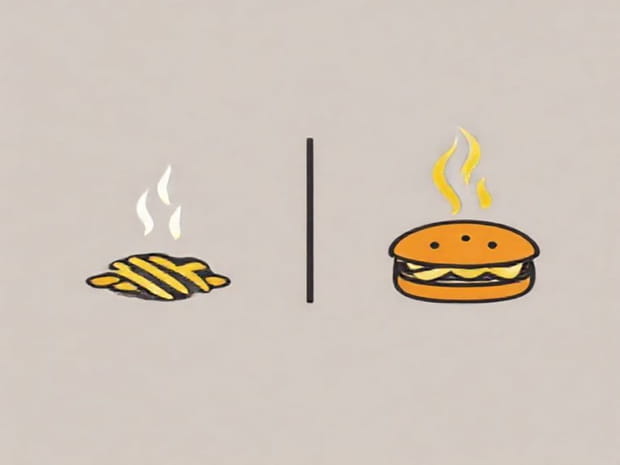
Difference Between Crispy And Crunchy
When it comes to describing food textures, two words that are often used interchangeably are crispy” and “crunchy.” While both words refer to foods that produce a noticeable sound when eaten and are generally associated with freshness or appealing texture, they are not exactly the same. Understanding the subtle differences between crispy and crunchy can enhance culinary descriptions, improve cooking techniques, and help food enthusiasts appreciate the sensory experience of eating. These terms are widely used in cooking, baking, and food reviews, making it important to know their precise meaning.
Defining Crispy
The term “crispy” is often used to describe foods that have a light, thin outer layer that easily breaks or shatters when bitten into. Foods that are crispy usually offer a delicate crunch and a satisfying sound without requiring much force to chew. Examples of crispy foods include fried potato chips, fresh lettuce, thin crackers, and fried chicken skin. The key characteristic of crispy food is that it tends to have a dry, brittle surface that quickly gives way under pressure.
Characteristics of Crispy Foods
- Light TextureCrispy foods generally feel lighter in the mouth and are easier to break with minimal effort.
- Delicate SoundThe audible feedback of crispy food is often softer and sharper compared to crunchy food.
- Thin Surface LayerThe crispiness is usually found on the exterior or a thin coating rather than the entire food item.
- Freshness IndicatorCrispiness often indicates that food is fresh or has been cooked to a precise texture.
Defining Crunchy
Crunchy foods, on the other hand, are denser and require more effort to bite and chew. The texture is firm, and the sound produced is louder and more pronounced. Crunchiness is often associated with foods that are solid throughout rather than just on the surface. Examples include raw carrots, nuts, granola bars, and certain types of bread. Crunchy foods can give a feeling of substantiality and may stay intact longer when chewed.
Characteristics of Crunchy Foods
- Firm TextureCrunchy foods are generally thicker or denser, requiring more chewing effort.
- Louder SoundThe audible feedback is more pronounced and often deeper than crispy sounds.
- Structural IntegrityThe entire food item maintains its shape while being chewed, not just the exterior layer.
- Satiety FactorCrunchy foods often provide a feeling of fullness due to their density and chewiness.
Comparing Crispy and Crunchy
While both crispy and crunchy foods appeal to the sense of hearing and touch, the main differences lie in texture, density, and the eating experience. Crispy foods tend to be lighter, thinner, and more fragile, whereas crunchy foods are thicker, denser, and more substantial. Additionally, crispiness is often associated with a quick, delicate bite, while crunchiness requires more sustained chewing. Understanding these distinctions is essential for chefs, food writers, and home cooks aiming to create specific textures in their dishes.
Examples of Crispy Foods
- Fried chicken skin
- Potato chips
- Thin crackers
- Fresh lettuce and leafy vegetables
- Tempura vegetables
Examples of Crunchy Foods
- Raw carrots and celery
- Nuts and seeds
- Granola and cereal bars
- Crusty bread and baguettes
- Popcorn
Culinary Applications
Understanding the difference between crispy and crunchy textures is essential in cooking and baking. Many recipes aim to achieve a balance of both textures to create a satisfying mouthfeel. For instance, a well-prepared fried chicken can have a crispy exterior while the vegetables in the side salad remain crunchy. Chefs often manipulate moisture content, cooking time, and temperature to achieve the desired crispiness or crunchiness in their dishes. Techniques such as deep-frying, baking, and roasting are commonly used to create these textures.
Cooking Tips for Crispy Foods
- Ensure surfaces are dry before frying or baking to promote crispiness.
- Use light coatings such as breadcrumbs or batter to create a delicate crunch.
- Maintain high heat when frying to quickly form a crispy exterior without overcooking the inside.
- Store crispy foods in airtight containers to prevent moisture absorption and loss of texture.
Cooking Tips for Crunchy Foods
- Choose denser ingredients such as nuts, root vegetables, or whole grains.
- Roast or bake foods to reduce moisture content and enhance crunchiness.
- Slice ingredients evenly to ensure consistent crunch.
- Serve immediately after preparation to maintain maximum crunch.
Why Texture Matters in Food
Texture plays a critical role in the overall eating experience. Crispy and crunchy foods provide sensory satisfaction, complementing flavor and aroma. The auditory feedback when biting into these foods enhances enjoyment and makes meals more engaging. Texture can also influence perception of freshness and quality. For instance, a crisp apple or a crunchy carrot signals freshness, while a soggy or soft version may indicate age or poor handling.
Psychological Impact of Crispy vs. Crunchy Foods
The differences between crispy and crunchy foods can also have psychological effects. Crispy textures often create a sense of lightness and delicacy, evoking comfort and enjoyment in small bites. Crunchy textures provide a feeling of robustness and substance, offering satisfaction and fullness. These textural differences can influence portion control, eating pace, and overall satisfaction with a meal.
While crispy and crunchy are often used interchangeably, they represent distinct food textures with unique characteristics. Crispy foods are light, thin, and delicate, providing a quick, satisfying bite. Crunchy foods are denser, firmer, and more substantial, requiring more effort to chew. Both textures enhance the sensory experience of eating and are crucial in cooking, baking, and food presentation. Understanding these differences allows chefs, home cooks, and food enthusiasts to describe foods accurately, create balanced dishes, and appreciate the role of texture in overall enjoyment. Whether enjoying a crispy potato chip or a crunchy carrot stick, recognizing the subtle distinctions between crispy and crunchy can deepen our appreciation for the sensory pleasures of food.