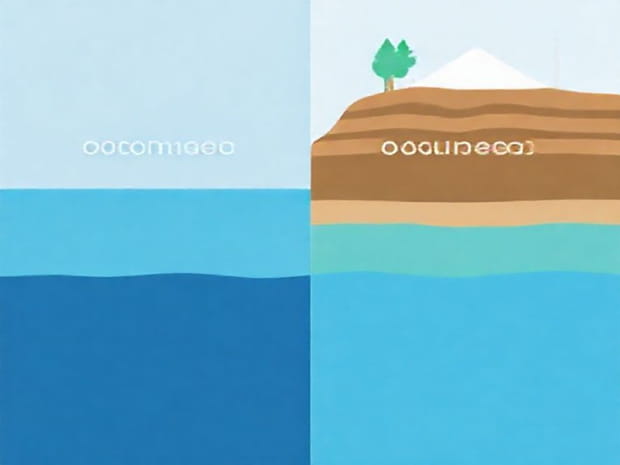
Difference Between Confined And Unconfined Aquifer
Groundwater is a critical source of fresh water for agriculture, drinking, and industry, and understanding the differences between confined and unconfined aquifers is essential for effective water management. Aquifers are underground layers of water-bearing rock or sediment that store and transmit water. While all aquifers perform the essential function of holding groundwater, the ways they interact with surrounding layers, recharge, and respond to extraction can differ significantly. Recognizing these differences helps geologists, engineers, and environmental planners ensure sustainable groundwater use and protect water quality for communities and ecosystems.
Definition of Aquifers
An aquifer is a geological formation that can store and transmit water to wells, springs, and surface water systems. Aquifers are composed of permeable materials like sand, gravel, sandstone, or fractured rock, which allow water to move through their pores or fractures. Groundwater moves slowly through these materials, filling the aquifer and replenishing wells and springs. There are two main types of aquifers confined and unconfined, each with unique characteristics related to pressure, recharge, and water availability. Understanding these types is crucial for planning water extraction and predicting the impacts of pumping on groundwater levels.
Unconfined Aquifers
An unconfined aquifer is one that has its upper surface, called the water table, open to the atmosphere through permeable material. In this type of aquifer, water seeps downward from the land surface directly above. Recharge occurs naturally as rainfall or surface water infiltrates the soil and percolates through the permeable layers. Unconfined aquifers are common and often found near rivers, lakes, and areas with sandy or gravelly soils. They are more susceptible to contamination from surface activities because pollutants can enter the aquifer relatively easily. You can identify unconfined aquifers by observing wells where the water level corresponds directly to the local water table.
Confined Aquifers
Confined aquifers, in contrast, are sandwiched between layers of impermeable or low-permeability material, such as clay or dense rock. This creates a pressurized environment where the water is trapped and can rise in wells above the top of the aquifer without pumping, forming artesian wells. Recharge for confined aquifers occurs in areas where the impermeable layer is absent or broken, often far from the location where water is being extracted. Because the water is protected by the confining layer, confined aquifers are generally less vulnerable to surface contamination. Their pressurized nature and depth make them an important resource for municipalities and industrial water supply systems.
Key Differences Between Confined and Unconfined Aquifers
Understanding the differences between confined and unconfined aquifers requires examining factors such as pressure, recharge, contamination risk, and well characteristics. While both types store groundwater, their behavior and management needs are distinct.
Pressure and Water Movement
In unconfined aquifers, water pressure is relatively low because the water table is exposed to atmospheric pressure. Water levels in wells reflect the height of the water table, and extraction can cause the water table to drop locally. In confined aquifers, the water is under pressure due to the overlying impermeable layers. When a well penetrates the aquifer, water may rise above the top of the aquifer naturally, sometimes reaching the surface without pumping. This difference in pressure affects the rate and ease of water extraction as well as potential for artesian flow.
Recharge Mechanisms
Recharge in unconfined aquifers occurs directly from precipitation or surface water infiltration above the aquifer. This process is relatively fast compared to confined aquifers, which rely on recharge in areas where the confining layer is absent, often at a considerable distance. Consequently, water levels in unconfined aquifers can fluctuate seasonally based on rainfall, whereas confined aquifers maintain more stable water levels but recharge more slowly. This distinction is essential for predicting long-term water availability and planning sustainable groundwater use.
Susceptibility to Contamination
Because unconfined aquifers are open to the surface, they are more vulnerable to contamination from agricultural runoff, industrial spills, and urban pollutants. Confined aquifers, protected by impermeable layers, are generally less exposed to surface contamination, though they are not entirely immune. Understanding this difference is critical for environmental monitoring and managing the risk of polluted drinking water. You can often see educational resources and diagrams on YouTube that illustrate how pollutants can infiltrate unconfined aquifers more easily than confined ones.
Well Characteristics
Wells drilled into unconfined aquifers typically need pumps to bring water to the surface, as the water level corresponds to the water table. Wells in confined aquifers, particularly artesian wells, may have water rise naturally due to the pressure within the aquifer. This can reduce the energy required for pumping but requires careful management to prevent over-extraction and pressure loss. Engineers and hydrogeologists take these differences into account when designing water supply systems and monitoring groundwater sustainability.
- Unconfined aquifers Water table open to atmosphere, recharge from direct infiltration, more contamination risk, water levels fluctuate with rainfall
- Confined aquifers Sandwiched between impermeable layers, pressurized, recharge occurs at distant locations, less contamination risk, water levels more stable
- Unconfined wells Usually require pumping, water corresponds to local water table
- Confined wells May rise naturally, potential for artesian flow, requires careful management
- Environmental considerations Protecting unconfined aquifers from surface pollutants is crucial
Examples and Applications
Unconfined aquifers are often used for irrigation, domestic water supply, and local community wells. They are typically found in shallow, permeable sediments such as sand and gravel. Confined aquifers are important for large-scale municipal water supply systems and industrial water use, where pressurized water provides a reliable, consistent source. Examples of major confined aquifers include the Ogallala Aquifer in the United States and the Great Artesian Basin in Australia. Both types of aquifers play critical roles in sustaining human populations and ecosystems.
Management and Sustainability
Managing aquifers requires understanding the differences between confined and unconfined systems. Over-extraction from unconfined aquifers can lower the water table, reduce streamflow, and harm wetlands. Confined aquifers, while more protected, recharge slowly, making them vulnerable to depletion if pumping exceeds natural replenishment. Sustainable management practices include monitoring water levels, controlling contamination sources, and using water-efficient technologies. Education and awareness campaigns often use diagrams, case studies, and videos to show the differences between aquifer types and highlight best practices for water conservation.
Confined and unconfined aquifers are fundamental to understanding groundwater systems, each with unique characteristics, recharge mechanisms, and vulnerabilities. Unconfined aquifers are open to the atmosphere, recharge quickly, and are more susceptible to contamination, while confined aquifers are pressurized, recharged slowly, and generally more protected from surface pollutants. Recognizing these differences is essential for effective water resource management, sustainable groundwater extraction, and protecting water quality for human and ecological needs. Studying aquifers allows hydrogeologists, engineers, and policymakers to make informed decisions about water supply, conservation, and environmental protection, ensuring these vital resources remain available for future generations.
Overall, understanding the difference between confined and unconfined aquifers enhances our ability to manage water sustainably, plan infrastructure, and safeguard ecosystems. By combining field studies, monitoring, and educational resources, including videos and diagrams, we can better appreciate the complexity and importance of groundwater systems. This knowledge is not only valuable for scientists and engineers but also for communities and individuals who rely on groundwater for daily life and long-term sustainability.