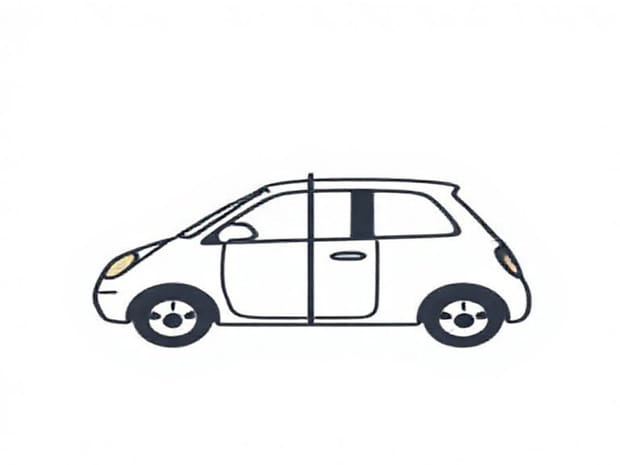
Difference Between Compact And Subcompact
When it comes to choosing a car, one of the first considerations is size. Many drivers encounter the terms compact and subcompact when shopping for vehicles, but the distinction between the two is often unclear. These categories define the overall size, interior space, and sometimes the fuel efficiency and performance of a vehicle. Understanding the difference between compact and subcompact cars can help buyers make informed decisions based on their lifestyle, parking needs, driving habits, and budget. Although both are smaller than midsize or full-size vehicles, subtle differences in dimensions and functionality separate them.
Defining Compact Cars
Compact cars are slightly larger than subcompact vehicles and are designed to offer a balance between space, comfort, and fuel efficiency. Typically, compact cars have a length ranging from 165 to 180 inches and can comfortably seat four to five passengers. They provide more interior room than subcompact cars, which can be a critical factor for families or drivers who need extra cargo space. Compact cars often include a reasonable trunk size and a more spacious cabin, making longer trips more comfortable.
Features of Compact Cars
- Length Usually between 165 and 180 inches.
- Passenger space Comfortable seating for four to five people.
- Fuel efficiency Moderate, often ranging from 25 to 35 miles per gallon depending on engine type.
- Engine options Typically include more powerful engines compared to subcompact cars, allowing for better highway performance.
- Storage Larger trunk space suitable for groceries, luggage, or sports equipment.
Understanding Subcompact Cars
Subcompact cars, as the name suggests, are smaller than compact cars and are primarily designed for urban environments where parking space is limited. Their length usually falls between 150 to 165 inches, making them easier to maneuver through tight city streets. Subcompact cars generally have seating for four passengers, but rear-seat legroom may be limited. These vehicles prioritize efficiency, affordability, and easy handling over extensive passenger and cargo space.
Features of Subcompact Cars
- Length Typically between 150 and 165 inches.
- Passenger space Seating for four, with reduced legroom in the rear seats.
- Fuel efficiency High, often ranging from 30 to 40 miles per gallon, making them cost-effective for daily commuting.
- Engine options Smaller engines, often designed for city driving rather than high-speed performance.
- Storage Limited trunk space, suitable for small bags and essential items.
Key Differences Between Compact and Subcompact Cars
While compact and subcompact cars share some similarities, such as affordability and better fuel efficiency compared to larger vehicles, the differences are significant for potential buyers. Size is the most noticeable distinction. Compact cars are longer, wider, and offer more passenger and cargo space, which translates to greater comfort for daily commuting and longer journeys. Subcompact cars, on the other hand, are smaller and lighter, making them ideal for city driving and tight parking situations.
Performance Differences
Compact cars often feature engines with higher horsepower compared to subcompact models, providing smoother acceleration and better stability at highway speeds. Subcompact cars tend to have smaller engines that focus on fuel efficiency and maneuverability rather than speed or towing capacity. Drivers who frequently travel long distances or need to carry heavier loads may prefer a compact car, while those who primarily drive in urban areas may find subcompacts more practical.
Cost Considerations
Subcompact cars usually come with a lower price tag than compact cars, making them attractive for first-time car buyers or individuals on a budget. Insurance costs are often lower as well, partly due to their smaller size and reduced repair expenses. Compact cars may cost more upfront but offer added comfort, space, and sometimes more advanced features, which can justify the higher price for many buyers.
Fuel Economy and Environmental Impact
Fuel efficiency is a critical factor for many car buyers. Subcompact cars generally achieve better gas mileage due to their smaller size and lighter weight, helping drivers save on fuel costs and reduce their carbon footprint. Compact cars still offer good fuel economy, but the difference becomes noticeable over time, especially for daily commuters who drive longer distances.
Choosing the Right Car for Your Needs
When deciding between a compact and a subcompact car, consider your lifestyle, commuting patterns, and family requirements. If you need extra space for passengers or cargo, a compact car may be more suitable. On the other hand, if you value affordability, easy parking, and fuel efficiency, a subcompact car could be the better option. Both types of vehicles can meet the needs of different drivers, but understanding the trade-offs is key to making the right choice.
Other Considerations
- Urban vs. rural driving Subcompact cars excel in city environments, while compact cars handle longer highway drives more comfortably.
- Parking space Subcompacts are easier to park in tight spots.
- Resale value Compact cars may retain value slightly better due to their broader appeal to families and long-distance drivers.
- Technology and safety features Both categories often offer similar modern features, but compact cars may provide slightly more options due to higher base prices.
Understanding the difference between compact and subcompact cars helps drivers make informed decisions based on their individual needs and driving conditions. While compact cars offer more interior space, comfort, and performance, subcompact cars excel in affordability, fuel efficiency, and maneuverability. By weighing factors such as passenger capacity, cargo space, engine performance, and budget, buyers can choose the vehicle that best aligns with their lifestyle. Whether navigating crowded city streets or taking longer highway trips, knowing the key distinctions between compact and subcompact cars ensures that drivers select a vehicle that balances convenience, efficiency, and comfort effectively.