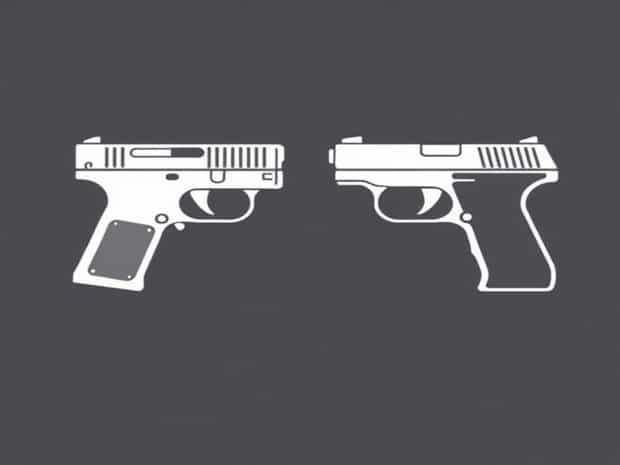
Difference Between Compact And Subcompact Gun
When people first explore the world of firearms, one of the most common questions they encounter is about the difference between compact and subcompact guns. These terms appear frequently in discussions, reviews, and forums, yet not everyone fully understands what sets them apart. Both compact and subcompact pistols serve the same general purpose providing reliable self-defense options while being smaller and easier to carry than full-size models. However, the variations in size, capacity, comfort, and performance can make one better suited for certain situations than the other. Understanding these differences is essential for anyone considering carrying or owning a firearm for protection, recreation, or security purposes.
Understanding Compact Guns
A compact gun is designed to strike a balance between the large frame of a full-size pistol and the smaller frame of a subcompact. Many compact pistols resemble their full-size counterparts but are slightly reduced in overall dimensions, making them easier to conceal while still maintaining functionality. They are popular among individuals who want something easier to carry without sacrificing too much comfort or capacity.
Key Features of Compact Guns
- SizeTypically smaller than a full-size gun but still substantial in the hand, usually with a barrel length between 3.5 and 4.5 inches.
- Magazine CapacityCompacts generally hold between 10 and 15 rounds depending on the caliber and design.
- ErgonomicsThe grip of a compact pistol often allows for a full-hand hold, giving better control during firing.
- VersatilityMany compact guns are suitable for both concealed carry and home defense.
Advantages of Compact Guns
The most notable benefit of a compact gun is its versatility. It is small enough to conceal for daily carry yet large enough to provide comfort when shooting at the range. Many shooters find compact guns easier to control due to the larger grip size and slightly heavier frame compared to subcompact models. Additionally, the higher magazine capacity provides peace of mind in self-defense scenarios.
Understanding Subcompact Guns
A subcompact gun is designed with concealability as its primary goal. These firearms are smaller, lighter, and more discreet than compact pistols, making them ideal for deep concealment or for people who prioritize comfort while carrying. They are often chosen by individuals who want a firearm that will not draw attention and can be easily carried in different types of clothing.
Key Features of Subcompact Guns
- SizeSignificantly smaller than compact guns, with barrel lengths often around 3 inches or less.
- Magazine CapacityTypically between 6 and 10 rounds, depending on the caliber.
- Grip LengthMany subcompacts have a shorter grip, which can make it harder for shooters with larger hands to achieve a full grip.
- WeightSubcompacts are lightweight, often making them more comfortable for all-day concealed carry.
Advantages of Subcompact Guns
The biggest strength of a subcompact pistol is its superior concealability. These guns can be comfortably carried in pockets, small holsters, or under lighter clothing without printing or revealing their presence. For individuals who prioritize discretion, a subcompact is often the first choice. Their reduced weight also makes them easier to carry over long periods without discomfort.
Comparing Compact vs Subcompact Guns
When deciding between compact and subcompact guns, it’s essential to evaluate how each category aligns with personal needs. Both have unique strengths and limitations, so the right choice depends on factors such as lifestyle, body type, and intended use. Below are the most important differences to consider.
Size and Concealability
Size is the most obvious difference between compact and subcompact firearms. A compact is larger, making it easier to handle but slightly harder to conceal, especially in tight-fitting clothing. On the other hand, a subcompact excels in being discreet but sacrifices some comfort and shootability due to its smaller frame.
Magazine Capacity
Compact guns usually hold more rounds than subcompacts, giving them an edge in extended scenarios where higher capacity may matter. Subcompacts, with their limited magazine size, are generally considered sufficient for self-defense but may require more frequent reloads during practice or emergencies.
Shooting Comfort and Control
Because of their size and weight, compact guns are typically easier to control, especially for newer shooters. Subcompact guns, being lighter and smaller, can produce more felt recoil, which may affect accuracy and follow-up shots. The reduced grip area can also make it harder for shooters with large hands to hold comfortably.
Purpose and Use
- CompactBest for individuals who want a multi-purpose firearm suitable for both everyday carry and home defense.
- SubcompactIdeal for those who prioritize maximum concealment and comfort in daily carry situations.
Choosing the Right Gun for Your Needs
Selecting between a compact and a subcompact gun requires understanding personal priorities. Those who value comfort at the range and higher magazine capacity may lean toward compact firearms. Meanwhile, people whose primary focus is discreet concealed carry may prefer subcompacts. It is often recommended to try both types at a shooting range before making a final decision, as firsthand experience reveals how each feels in the hand and performs in action.
Additional Factors to Consider
- Body Type and ClothingSlimmer individuals may find compacts harder to conceal, while subcompacts fit better with lighter outfits.
- Experience LevelBeginners may handle compact guns more effectively because of their larger grips and stability.
- Daily Carry HabitsConsider how long you plan to carry each day and whether comfort outweighs capacity or vice versa.
The difference between compact and subcompact guns ultimately comes down to a trade-off between concealability and usability. Compact firearms provide a balance of size, capacity, and performance, making them versatile for many purposes. Subcompacts, however, excel in discreet everyday carry, offering comfort and portability at the cost of some shooting ease and magazine capacity. Understanding these distinctions will help individuals make informed choices that align with their personal defense needs and lifestyles. Whether someone chooses a compact or subcompact, the most important factor is confidence and comfort in carrying and operating the firearm effectively.