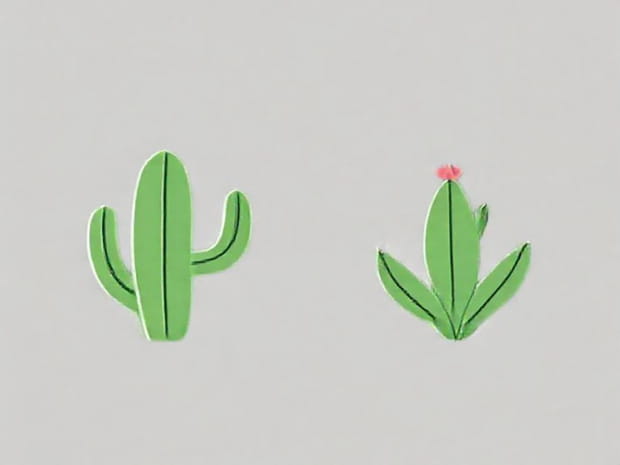
Difference Between Cactus And Succulent
Plants that thrive in arid environments often spark curiosity, especially when people encounter terms like cactus and succulent. While these two types of plants share some similarities, they are not identical, and understanding the difference between cactus and succulent is essential for gardening, landscaping, and botanical knowledge. Succulents are a broad category of plants that store water in their leaves, stems, or roots, while cacti represent a specific family of succulents distinguished by unique features. Examining the distinctions between them involves exploring their physical characteristics, adaptations, growth patterns, and care requirements, providing clarity for anyone interested in these hardy, drought-tolerant plants.
Defining Succulents
Succulents are plants that have adapted to survive in dry, arid climates by storing water in their fleshy leaves, stems, or roots. This water storage allows them to endure periods of drought and harsh sunlight. Succulents come in a wide variety of shapes, sizes, and colors, ranging from small, rosette-shaped plants like Echeveria to larger species like Aloe or Agave. Their thickened tissues make them resilient and capable of retaining moisture for extended periods, making them popular choices for indoor and outdoor gardening.
Characteristics of Succulents
- Water StorageSucculents store water in leaves, stems, or roots to survive dry conditions.
- Leaf StructureMany succulents have thick, fleshy leaves that may be rounded, pointed, or layered in rosettes.
- VarietySucculents are diverse and can be flowering or non-flowering, small or large, and grow in various habitats.
- AdaptationsSucculents often have waxy coatings or fine hairs to reduce water loss and reflect sunlight.
Defining Cacti
Cacti belong to the plant family Cactaceae and are a subset of succulents. All cacti are succulents, but not all succulents are cacti. One of the most distinctive features of cacti is the presence of areoles small, round, cushion-like structures from which spines, flowers, and new branches grow. Unlike many succulents, cacti often lack traditional leaves, relying instead on their stems for photosynthesis and water storage. Their unique adaptations make them well-suited to extremely dry environments, and they are primarily native to the Americas.
Characteristics of Cacti
- AreolesCacti have specialized structures called areoles that produce spines, flowers, and branches.
- SpinesMost cacti have spines instead of leaves, which help reduce water loss and provide protection from herbivores.
- Stem PhotosynthesisCacti perform photosynthesis through their stems, since leaves are often absent or highly reduced.
- Water StorageLike other succulents, cacti store water in their thick, fleshy stems.
- Native HabitatCacti are mostly found in the Americas, ranging from deserts to tropical regions.
Key Differences Between Cactus and Succulent
While succulents and cacti share similarities in water storage, they have key differences that help identify and classify them.
Areoles vs. No Areoles
The presence of areoles is the main distinguishing factor. Cacti always have areoles, which produce spines and flowers, whereas other succulents do not. This feature is often the simplest way to tell a cactus apart from a non-cactus succulent.
Leaf Structure
Many succulents have visible, thick, fleshy leaves used for water storage. In contrast, most cacti lack traditional leaves, with their stems serving as the primary storage and photosynthesis organ. Some cacti have tiny or vestigial leaves, but these are rare and short-lived.
Geographic Origin
Succulents can be found worldwide, including Africa, Asia, and the Americas. For example, Aloe species are native to Africa, while Agave is native to the Americas. Cacti, however, are almost exclusively native to the Americas, from Canada to South America, with the highest diversity in Mexico.
Spines and Thorns
While some succulents have spines, thorns, or prickly structures, they do not emerge from areoles. Cactus spines always grow from areoles, making this a reliable identification feature. The spines serve multiple functions, including shading the plant, reducing water loss, and deterring herbivores.
Care Requirements for Cacti and Succulents
Although both plant types are drought-tolerant, their care requirements can differ slightly due to structural and environmental differences.
Watering
Succulents generally require occasional watering, allowing the soil to dry between sessions. Overwatering can lead to root rot. Cacti often need even less water and are more tolerant of prolonged dry periods, as their stems store significant moisture.
Soil
Both cacti and succulents prefer well-draining soil. Cactus-specific potting mixes often contain sand, perlite, or gravel to prevent water retention, which is crucial for their survival.
Light
Succulents and cacti thrive in bright light, but some species prefer filtered sunlight or partial shade. Understanding the specific light requirements of each plant ensures healthy growth and vibrant coloration.
Temperature
Most succulents tolerate a range of temperatures but are sensitive to frost. Many cacti are also heat-tolerant and can endure high temperatures, though extreme cold can damage or kill them.
Popular Examples
- SucculentsAloe, Echeveria, Sedum, Agave
- CactiSaguaro, Barrel Cactus, Prickly Pear, Christmas Cactus
In summary, understanding the difference between cactus and succulent is important for proper identification, care, and appreciation of these fascinating plants. Succulents encompass a wide variety of plants that store water in their leaves, stems, or roots, while cacti are a specific family within the succulent category characterized by areoles, spines, and stem-based photosynthesis. Both types of plants are adapted to survive harsh, dry environments, making them popular choices for gardeners and plant enthusiasts worldwide. Recognizing these differences not only aids in plant care but also deepens our understanding of botanical diversity and the remarkable adaptations that allow plants to thrive in challenging conditions.