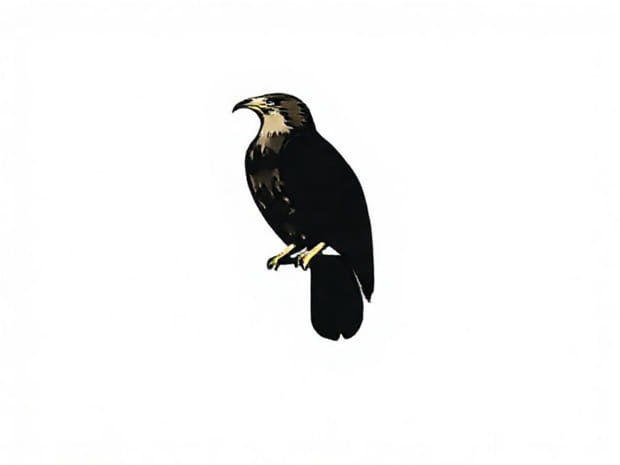
Difference Between Buzzard And Sparrowhawk
Bird enthusiasts and casual observers alike often encounter a variety of raptors in the wild, and distinguishing between species can sometimes be challenging. Two birds that are commonly confused due to overlapping habitats and certain visual similarities are the buzzard and the sparrowhawk. Understanding the differences between these two birds is essential for proper identification, whether for birdwatching, educational purposes, or ecological study. While both belong to the order Accipitriformes, their size, hunting behaviors, and physical characteristics set them apart in remarkable ways.
Physical Characteristics of Buzzards
Buzzards, particularly the common buzzard found in Europe and parts of Asia, are medium-to-large raptors with broad wings and robust bodies. They are generally heavier and larger than sparrowhawks, with adult males averaging around 500-1,000 grams and females slightly heavier. The wingspan can reach up to 120-150 centimeters, providing them with excellent soaring ability, which is commonly observed when they circle over open fields searching for prey.
Plumage and Coloring
The plumage of buzzards is variable, but they often display brown upperparts with paler underparts marked with streaks or mottling. This coloration provides camouflage when hunting over grassy landscapes or forest edges. Their tails are typically broad and rounded, which assists in gliding and maneuvering during flight.
Beak and Talons
Buzzards have strong, hooked beaks designed for tearing flesh from small mammals and carrion. Their talons are similarly robust, enabling them to grasp and kill prey effectively, though they generally target slower or less agile animals compared to smaller raptors.
Physical Characteristics of Sparrowhawks
Sparrowhawks are smaller, more agile raptors that are often found in woodland areas and suburban regions. Adult males usually weigh between 100-200 grams, while females are larger, ranging from 200-350 grams. Their wingspan is significantly narrower, averaging 55-70 centimeters, which allows for rapid, agile flight through dense vegetation and urban landscapes.
Plumage and Coloring
The sparrowhawk’s plumage tends to be slate-gray on the upper body with rufous or orange barring on the chest and underparts in males. Females have browner tones with streaked underparts. Their tails are long and narrow, providing excellent control for swift turns and quick pursuits of small birds in flight.
Beak and Talons
Sparrowhawks have finely curved beaks and sharp talons, specifically adapted for capturing smaller, fast-moving birds. Their hunting style requires precision and speed, reflecting their specialization as avian predators rather than generalists like buzzards.
Behavioral Differences
Hunting Strategies
Buzzards are versatile hunters that often rely on soaring flight and keen eyesight to spot small mammals, insects, and carrion from above. They prefer open areas such as fields, moors, and woodland edges where they can perch and scan for prey. Buzzards may also feed on carrion, making them opportunistic in their diet.
Sparrowhawks, in contrast, are primarily active hunters specializing in birds. They use stealth and speed to navigate through trees and shrubs, ambushing their prey with sudden bursts of flight. Unlike buzzards, sparrowhawks seldom feed on carrion and focus mainly on living birds of various sizes.
Flight Patterns
Buzzards are known for their slow, soaring flight, often seen circling high in thermals while scanning the ground for prey. Their flight appears more relaxed and energy-efficient, suited for long periods of observation.
Sparrowhawks display fast, direct flight with rapid wingbeats and swift maneuvers to chase birds through dense vegetation. This agile flight pattern is a key identifier for those observing them in woodland areas.
Habitat and Distribution
Buzzards are widespread across Europe and parts of Asia, favoring open countryside interspersed with woodland. They are adaptable to a variety of habitats, including farmland, moorlands, and even some urban areas, though they generally avoid dense forests.
Sparrowhawks are also widespread across Europe, Asia, and parts of Africa, but they prefer dense woodlands, parks, and urban gardens. Their smaller size allows them to exploit areas with abundant bird populations, often nesting in trees or shrubs where they are less visible to predators and humans.
Vocalizations and Communication
Buzzards produce a distinctive mewing call, which is often repeated during flight or territorial displays. This call is high-pitched and drawn out, making it recognizable even at a distance.
Sparrowhawks emit a rapid, high-pitched kek-kek-kek call, especially when alarmed or during courtship. Their vocalizations are less musical but serve effectively to communicate with mates and signal distress.
Reproductive Behavior
Buzzards build large nests in tall trees or on cliff ledges, where they lay 2-4 eggs per season. Both parents share incubation and feeding responsibilities, raising fledglings that stay nearby for several weeks after leaving the nest.
Sparrowhawks also nest in trees or dense shrubs, laying 3-6 eggs per season. Females primarily incubate the eggs, while males provide food. Young sparrowhawks fledge earlier than buzzards, reflecting their faster developmental pace.
Identification Tips
- Size Buzzards are significantly larger and heavier than sparrowhawks.
- Flight Style Buzzards soar with broad wings; sparrowhawks fly fast and maneuver quickly.
- Tail Shape Buzzards have broad, rounded tails; sparrowhawks have long, narrow tails.
- Hunting Target Buzzards hunt mammals and carrion; sparrowhawks target birds.
- Plumage Buzzards have mottled brown underparts; sparrowhawks display barring or streaking.
While buzzards and sparrowhawks may occasionally be confused due to their raptor status and overlapping ranges, careful observation of size, flight patterns, hunting behavior, and physical characteristics can provide clear differentiation. Buzzards are larger, slower, and more generalist in diet, often soaring above open countryside, while sparrowhawks are smaller, agile, and specialized bird hunters navigating through woodlands and urban areas. Understanding these differences enhances both the enjoyment of birdwatching and the appreciation of the ecological roles each species plays in their respective habitats.