Difference Between Beetle And Weevil
Beetles and weevils are both common insects that can be found in a variety of habitats around the world. Although many people may think of them interchangeably, they are distinct in several biological, behavioral, and ecological aspects. Understanding the differences between beetles and weevils is important not only for entomologists and gardeners but also for farmers and anyone interested in pest control. Both insects belong to the order Coleoptera, but their physical characteristics, feeding habits, and life cycles set them apart. In this topic, we will explore these differences in detail, highlighting key traits, ecological roles, and examples of each type of insect.
Taxonomy and Classification
Beetles are a large and diverse group of insects classified under the order Coleoptera. This order contains over 350,000 described species, making it the largest order in the animal kingdom. Beetles are characterized by their hard exoskeleton and forewings, known as elytra, which cover and protect the delicate hindwings used for flying.
Weevils, on the other hand, are a subset of beetles that belong to the family Curculionidae. They are commonly referred to as snout beetles due to their elongated rostrum, a distinctive protrusion from the head. With more than 60,000 known species, weevils are highly specialized and often associated with specific host plants, particularly grains and crops.
Physical Characteristics
Body Structure
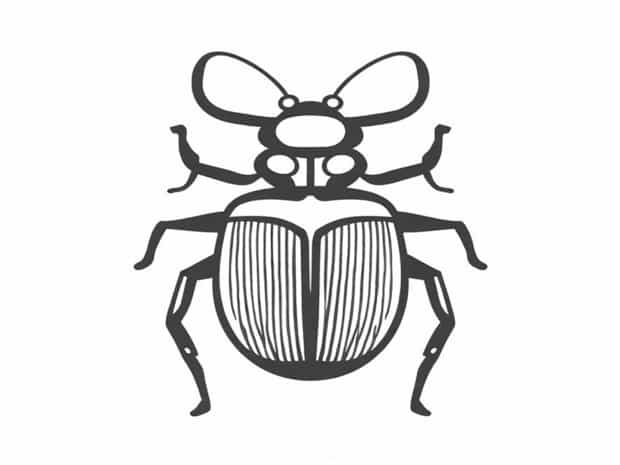
Beetles display a wide range of body shapes, sizes, and colors. Most beetles have a compact, oval, or elongated body with hard, shiny elytra that protect the wings and abdomen. Their antennae vary in shape and function, ranging from filiform (thread-like) to clubbed forms, depending on the species.
Weevils, in contrast, have a more uniform appearance characterized by a pronounced snout or rostrum. This elongated snout houses mouthparts at the tip, which they use to bore into plant material. Weevils tend to have smaller legs and a less pronounced body variation compared to beetles in general. The rostrum is one of the most reliable ways to distinguish a weevil from other beetles.
Size Differences
Beetles range in size from tiny species less than 1 millimeter in length to larger beetles, such as the Goliath beetle, which can exceed 100 millimeters. Weevils, however, are typically smaller, ranging from 2 to 12 millimeters in length, although some tropical species may grow larger. Their size is generally adapted to their ecological niche, particularly feeding on seeds, nuts, and plant tissues.
Feeding Habits
One of the key differences between beetles and weevils lies in their feeding behavior. Beetles occupy a variety of ecological roles, and their diets can be incredibly diverse. Some beetles are herbivores, feeding on leaves, flowers, or seeds, while others are predators, consuming other insects. Some beetles are scavengers, feeding on decaying organic matter, and a few are even aquatic, feeding on algae and small aquatic animals.
Weevils are primarily herbivorous and are often highly specialized feeders. Most weevils consume seeds, nuts, and stems of particular plants. For example, the boll weevil feeds on cotton, while the rice weevil targets stored grains. Their rostrum allows them to bore into plant tissues to lay eggs, which provides food for their larvae. This feeding specialization often makes weevils significant agricultural pests.
Life Cycle and Reproduction
Both beetles and weevils undergo complete metamorphosis, consisting of egg, larva, pupa, and adult stages. Beetle larvae vary widely in appearance depending on the species. Some are grub-like, while others are elongated and worm-like. Adult beetles may have seasonal or continuous reproductive cycles, and their mating behaviors differ significantly across species.
Weevil larvae usually develop inside plant tissues, seeds, or nuts, which offer protection and a food source. Female weevils often use their rostrum to create holes in plant material for egg-laying. The larvae feed internally, sometimes causing substantial damage to crops. Once pupation occurs, adult weevils emerge to continue the cycle, often remaining close to their host plants. This specialized reproductive strategy is less common among beetles in general.
Ecological Impact
Beetles
Beetles play vital roles in ecosystems. Predatory beetles help control populations of pests, herbivorous beetles influence plant dynamics, and decomposer beetles recycle nutrients from dead animals and plants. Some beetles are pollinators, contributing to the reproduction of flowering plants. Their diversity allows them to occupy multiple ecological niches, making them important for ecological balance.
Weevils
Weevils are generally considered more specialized than other beetles. While they can play a role in seed dispersal, their impact on agriculture is often negative. Many weevil species are notorious pests, causing significant economic damage to crops, grains, and stored food products. Their feeding and reproductive habits can decimate fields and require targeted pest control strategies. Despite their pest status, weevils are also integral to natural ecosystems by regulating plant populations and serving as prey for other animals.
Examples of Beetles and Weevils
- BeetlesLadybugs (Coccinellidae), Ground beetles (Carabidae), Stag beetles (Lucanidae), and Fireflies (Lampyridae).
- WeevilsBoll weevil (Anthonomus grandis), Rice weevil (Sitophilus oryzae), Vine weevil (Otiorhynchus sulcatus), and Acorn weevil (Curculio glandium).
These examples highlight the variety within each group. Beetles display broader diversity in form, function, and habitat, while weevils show specialized adaptation to particular plants or food sources.
Identifying Features at a Glance
- BeetlesHard, protective elytra; varied antennae; wide range of sizes and body shapes; diverse diets and habitats.
- WeevilsDistinctive elongated snout (rostrum); primarily herbivorous; larvae feed inside plant tissues; generally smaller and more specialized.
While weevils are technically a type of beetle, the differences between general beetles and weevils are significant. Beetles represent a vast, diverse group with varied forms, feeding habits, and ecological roles. Weevils, however, are more specialized, often identified by their elongated snouts, internal-feeding larvae, and association with specific plants. Understanding these distinctions is crucial for both scientific study and practical purposes such as agriculture and pest management. By recognizing the unique traits of beetles and weevils, we gain deeper insight into their roles in nature and the ways humans interact with these fascinating insects.