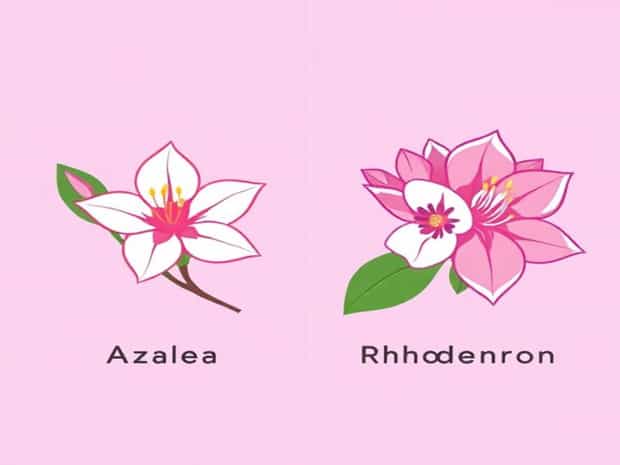
Difference Between Azalea And Rhododendron
Garden enthusiasts often find themselves wondering about the difference between azalea and rhododendron. Both belong to the same genus, share a striking resemblance, and are admired for their spectacular flowers that brighten landscapes. Yet, they are not exactly the same, and understanding their differences can help homeowners, landscapers, and plant lovers make the right choice when cultivating a garden. Knowing how to distinguish between azalea and rhododendron goes beyond appearance it also involves growth habits, leaf structure, flower shape, and care requirements.
Understanding the Genus Rhododendron
Azaleas and rhododendrons are part of the genusRhododendron, which includes more than a thousand species. Within this large genus, azaleas are considered a subcategory rather than a separate genus. This is why the two are often confused. However, gardeners generally separate them based on physical traits and cultural preferences. While rhododendrons are usually larger and evergreen, azaleas tend to be smaller and sometimes deciduous.
Leaf Characteristics
One of the simplest ways to notice the difference between azalea and rhododendron is to examine the leaves. Leaf structure is an important indicator for identifying plants.
- AzaleasTheir leaves are typically narrow, thin, and soft to the touch. Many azaleas have small, pointed leaves with fine hairs on the surface, giving them a slightly rough texture. Some species are deciduous, losing their leaves in winter.
- RhododendronsTheir leaves are generally broader, leathery, and evergreen. Rhododendron leaves tend to be large and glossy, staying green throughout the year in most climates.
By looking closely at foliage, gardeners can usually tell if they are dealing with an azalea or a rhododendron without waiting for blooms.
Flower Structure
Flowers are another important feature to compare. Both azaleas and rhododendrons produce stunning blooms, but subtle differences set them apart.
- AzaleasTheir flowers usually have five stamens and are funnel-shaped or tubular. The blooms often appear in clusters, covering the plant in vibrant color. Azaleas can display a wide range of shades from pink and red to purple and white.
- RhododendronsTheir flowers tend to be larger, bell-shaped, and more elaborate. They often have ten or more stamens. Rhododendron blossoms are usually grouped in dense trusses, creating a showy display.
These distinctions in flower form help botanists and gardeners classify the plants more accurately.
Growth Habit and Size
The growth pattern also highlights the difference between azalea and rhododendron. These traits are particularly important for landscaping and garden design.
- AzaleasGenerally smaller in size, azaleas are often used as ornamental shrubs in front yards, borders, or foundation plantings. They usually grow between 2 to 5 feet tall, though some species can be larger.
- RhododendronsKnown for their larger stature, rhododendrons can grow as large shrubs or even small trees, sometimes reaching over 20 feet tall. Their size makes them more suitable for woodland gardens or as dramatic focal points.
Gardeners often choose azaleas when space is limited, while rhododendrons are better suited for large landscapes.
Seasonal Behavior
Another difference between azalea and rhododendron lies in their seasonal characteristics. Azaleas can be either deciduous or evergreen depending on the species. This means that in colder climates, many azaleas will lose their leaves in winter. Rhododendrons, on the other hand, are almost always evergreen, maintaining foliage throughout the year. This quality makes rhododendrons a good choice for gardeners who want year-round greenery.
Climate Preferences
Both plants thrive in acidic soils, but their climate tolerance can differ.
- AzaleasMore tolerant of heat and less demanding in terms of protection from cold. They often grow well in partial shade and adapt to a variety of climates.
- RhododendronsPrefer cooler climates with consistent moisture. They can struggle in hot, dry environments unless carefully maintained.
This distinction is useful when planning gardens in regions with extreme weather conditions.
Care and Maintenance
Both azaleas and rhododendrons need similar care, but subtle differences affect their maintenance routines. Understanding these differences helps gardeners ensure healthy growth.
- AzaleasRequire less pruning and are relatively low-maintenance. They bloom best with filtered sunlight and regular watering during dry periods. Overwatering should be avoided since they prefer well-drained soil.
- RhododendronsNeed more attention to soil moisture and mulching. Their large leaves mean they lose more water, making them prone to drying out. Proper mulching and shading can help prevent stress during summer heat.
Both benefit from acidic fertilizers formulated for their genus, which helps maintain the right pH balance in the soil.
Common Uses in Landscaping
The difference between azalea and rhododendron also extends to their landscaping applications. Azaleas, with their compact form, are often planted in clusters or used to frame walkways. Their smaller size makes them versatile for home gardens and urban spaces. Rhododendrons, with their impressive height and bold flowers, are commonly used in larger estates, parks, and woodland areas to create dramatic floral displays.
Symbolism and Cultural Significance
Both azaleas and rhododendrons carry symbolic meanings in various cultures. Azaleas often symbolize femininity, softness, and fragile beauty. Rhododendrons, on the other hand, are associated with abundance, strength, and resilience due to their larger form and evergreen nature. These cultural associations make them popular not just in gardens but also in literature and art.
How to Choose Between Azalea and Rhododendron
When deciding between azalea and rhododendron, several factors come into play. Gardeners should consider
- Available space in the garden
- Climate conditions and soil type
- Desired bloom size and color range
- Maintenance preferences
For small gardens or urban landscaping, azaleas may be the ideal choice. For larger gardens with ample space, rhododendrons offer grandeur and long-lasting presence.
The difference between azalea and rhododendron may seem subtle at first glance, but closer examination reveals clear distinctions in leaves, flowers, growth habits, and seasonal behavior. Both are part of the same botanical family and bring beauty to gardens worldwide, but their unique traits make them suitable for different settings. Whether you choose the delicate charm of azaleas or the bold presence of rhododendrons, both plants reward gardeners with vibrant displays that mark the arrival of spring and enrich landscapes year after year.