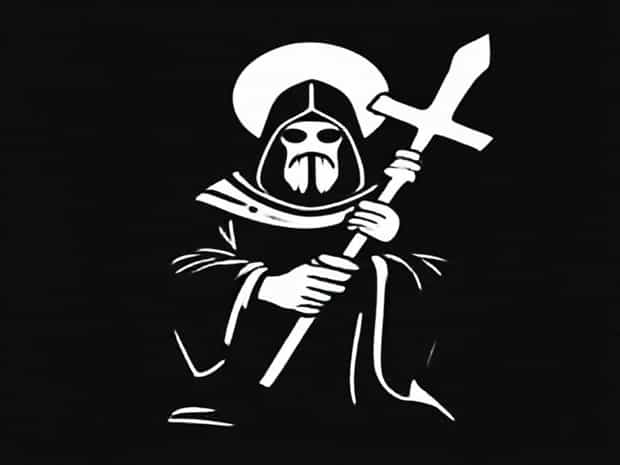
Did Tomas De Torquemada Get Arrested?
The figure of Tomás de Torquemada is one of the most infamous names in European history, often associated with the severity of the Spanish Inquisition. Serving as the first Grand Inquisitor of Spain in the late fifteenth century, his legacy is tied to religious persecution, forced conversions, and the expulsion of Jews from Spain. Because of his reputation for cruelty and power, a natural question arises in modern discussion did Tomás de Torquemada ever get arrested? To answer this, we need to understand his life, his role in the Inquisition, and how political and religious power protected him during his era.
Who Was Tomás de Torquemada?
Torquemada was born in 1420 in Spain and became a Dominican friar. His strict religious beliefs and dedication to Catholic orthodoxy led him to rise in influence within the church. In 1478, when Ferdinand of Aragon and Isabella of Castile received papal approval to establish the Spanish Inquisition, Torquemada quickly emerged as its most important leader. By 1483, he was appointed Grand Inquisitor, giving him authority across Spain to oversee trials and enforce Catholic unity. His name became synonymous with the harsh methods used to maintain religious conformity.
The Role of Torquemada in the Spanish Inquisition
Torquemada’s duties involved investigating heresy, particularly among converted Jews and Muslims who were suspected of secretly practicing their old faiths. He organized tribunals, promoted strict punishments, and encouraged confessions, often under duress. His policies reflected the fear of religious dissent and the desire for centralized control under Ferdinand and Isabella. During his tenure, thousands were tried, and a significant number were executed or forced into exile. His reputation for severity was unmatched among church leaders of his time.
Was Torquemada Ever Arrested?
The straightforward answer is no Tomás de Torquemada was never arrested. In fact, he remained protected by both the monarchy and the Catholic Church throughout his life. As the Grand Inquisitor, he was not only a powerful religious figure but also a trusted political advisor to the monarchs. His position placed him above the reach of legal systems that might have otherwise held him accountable. While modern readers might expect such a controversial figure to face punishment, the reality is that in his own era, his actions were sanctioned by the highest levels of power.
Reasons He Was Never Arrested
- Royal SupportFerdinand and Isabella valued Torquemada’s ability to enforce religious unity, which they believed strengthened their rule.
- Papal ApprovalThe Spanish Inquisition operated with papal authority, and Torquemada’s role was legitimized by the church.
- Social ContextAt the time, persecution of heresy was widely accepted, and his methods were not considered crimes by the standards of the fifteenth century.
- Political UtilityHis strict enforcement of orthodoxy helped consolidate power, making him indispensable to the monarchy.
Criticism and Opposition During His Lifetime
Although Torquemada was never arrested, he was not free from criticism. Many contemporaries, both inside and outside Spain, condemned his harshness. Humanist thinkers and foreign observers described his actions as excessive. Even within the Catholic Church, some clergy believed his severity went too far. However, these criticisms did not translate into legal consequences. Instead, they remained debates about morality, justice, and religious interpretation. In his later years, his influence declined slightly as newer leaders took on more responsibilities, but he retained his title and protection until his death in 1498.
The Myth of Torquemada’s Arrest
Over the centuries, legends and myths have developed around Torquemada, sometimes suggesting that he faced punishment for his actions. These stories often stem from the desire to imagine justice being served for someone associated with cruelty. However, historical records are clear Torquemada died in office, unpunished, and still respected by many in authority. The myth of his arrest persists because it represents what many believe should have happened, even though it did not occur in reality.
Legacy of Torquemada
While he was never arrested, Torquemada’s legacy has been one of infamy. He is remembered as the face of religious persecution in Spain and as a symbol of intolerance. The Spanish Inquisition continued long after his death, but his name remains most closely associated with it. In literature and popular culture, he is often depicted as a figure of cruelty and fanaticism. His lack of punishment during his lifetime raises larger questions about justice in history and how those in power can often escape accountability.
Impact on Spanish Society
- The expulsion of Jews in 1492, which Torquemada strongly supported, drastically changed Spain’s cultural and economic landscape.
- His policies created an atmosphere of fear and suspicion, where communities were divided and trust was eroded.
- The long-term reputation of Spain was shaped by the Inquisition, often remembered as a period of darkness and intolerance.
Modern Reflections
Today, when people ask whether Tomás de Torquemada was ever arrested, they are often seeking to understand if justice ever caught up with him. The reality shows that in his historical context, he was seen not as a criminal but as a protector of faith. This reflects how concepts of justice and morality evolve over time. What was once accepted as legitimate can later be condemned as oppressive. Torquemada’s immunity from arrest demonstrates the deep intertwining of religion and politics in medieval Spain.
Tomás de Torquemada was never arrested during his lifetime. Instead, he operated with full authority, protected by both the Spanish crown and the Catholic Church. His role as the Grand Inquisitor made him untouchable in his own era, even though history has judged him harshly. The fact that he faced no legal consequences reminds us how power and context shape accountability. While he escaped punishment in life, his name has become a symbol of intolerance and cruelty, ensuring that his legacy is one of infamy rather than honor.