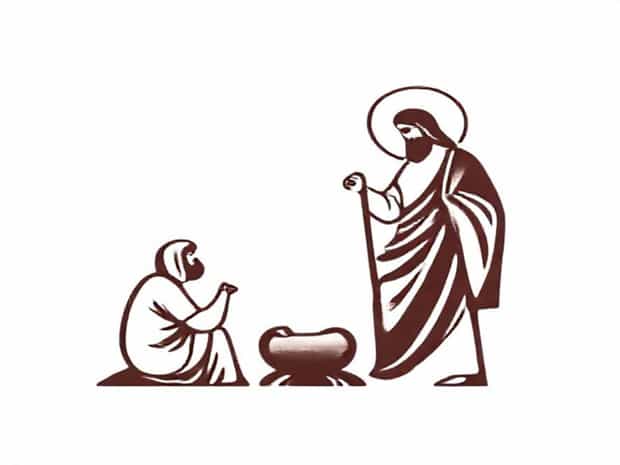
Did Peter Deny Jesus
The question of whether Peter denied Jesus is one of the most discussed and poignant moments in the New Testament. Peter, one of Jesus’ closest disciples, had boldly proclaimed his loyalty and willingness to follow Jesus to the very end. Yet, during the events leading up to Jesus’ crucifixion, Peter faced immense pressure, fear, and uncertainty, ultimately resulting in his denial of the Savior he loved. This episode highlights human frailty, the challenges of faith under pressure, and the transformative power of forgiveness and restoration.
The Setting of Peter’s Denial
Peter’s denial occurs during the night following Jesus’ arrest in the Garden of Gethsemane. After the Last Supper, Jesus and His disciples went to the garden to pray, fully aware that betrayal and arrest were imminent. Peter, along with James and John, witnessed Jesus’ intense anguish and commitment to God’s will. Despite Peter’s earlier declarations of unwavering loyalty, the reality of danger and confrontation tested his resolve. The narrative sets the stage for a dramatic moment of fear, confusion, and moral struggle.
Peter’s Bold Promises
- Peter had repeatedly stated that he would never abandon Jesus, even if it meant facing death.
- He expressed confidence that he could follow Jesus to prison or death without faltering.
- Jesus, however, warned Peter that he would deny Him three times before the rooster crowed.
- This warning demonstrated both divine foreknowledge and an opportunity for Peter to reflect on his human weaknesses.
The Actual Denial
The denials occurred outside the high priest’s courtyard, where Peter was confronted multiple times by individuals questioning his association with Jesus. Each encounter heightened the fear of arrest, punishment, or social ostracism. Peter’s denial was not only verbal but also an attempt to distance himself physically and socially from Jesus. The repetition of the denials underscores the intensity of the moment and the psychological pressure he experienced. Ultimately, Peter’s failure was a combination of fear, self-preservation, and the shock of witnessing the arrest of his teacher and friend.
Details from the Gospels
- In Matthew 2669-75, Peter denies Jesus three times, each denial intensifying in emotion.
- Mark 1466-72 highlights Peter’s immediate regret and the crowing of the rooster as a moment of recognition.
- Luke 2254-62 emphasizes Peter’s sorrow and repentance after realizing his failure.
- John 1815-27 details the interactions with the servant girl and others, showing Peter’s struggle to remain faithful under threat.
Reasons Behind Peter’s Denial
Peter’s denial can be understood through a combination of fear, human vulnerability, and situational pressure. Despite his devotion, Peter faced the reality of danger, social pressure, and the potential consequences of being associated with a condemned man. His actions reveal the tension between human instinct for self-preservation and the moral call to faithfulness. The denial demonstrates that even the most devout individuals can falter under extreme circumstances, making Peter’s story deeply relatable and instructive for believers.
Psychological and Emotional Factors
- Fear of physical harm or imprisonment.
- Social pressure from surrounding individuals questioning his loyalty.
- Shock and disorientation caused by the sudden arrest of Jesus.
- Internal conflict between loyalty to Jesus and the instinct for self-preservation.
Peter’s Immediate Reaction
Immediately after realizing his denial, Peter experienced profound grief and remorse. The Gospels note that he wept bitterly, reflecting both sorrow for his betrayal and awareness of his failure to live up to his own declarations. This moment of regret is critical because it marks the beginning of Peter’s spiritual restoration. His sorrow demonstrates that human failure can coexist with sincere repentance and the possibility of redemption.
Significance of the Rooster Crowing
- The rooster crowing symbolizes the completion of Jesus’ prophecy about Peter’s denial.
- It serves as a moment of recognition and moral awakening for Peter.
- The event highlights the inevitability of confronting one’s own weaknesses.
- It underscores the importance of self-awareness and accountability in spiritual growth.
Restoration and Forgiveness
Peter’s story does not end with denial and regret. After Jesus’ resurrection, He appeared to Peter and the other disciples, offering forgiveness and restoration. In John 2115-19, Jesus asks Peter three times if he loves Him, mirroring the three denials. Each affirmation of love restores Peter to his position as a leader among the disciples. This act emphasizes God’s grace, the possibility of redemption, and the transformative power of forgiveness. Peter’s experience illustrates that failure does not disqualify someone from service, leadership, or spiritual growth.
Lessons from Peter’s Restoration
- Human failure is not the end of spiritual life; repentance and sincerity restore relationships with God.
- Forgiveness can be transformative, turning past mistakes into lessons for growth and leadership.
- Accountability and reflection are essential for developing spiritual maturity.
- God’s calling persists despite human weaknesses and lapses of courage.
Implications for Believers Today
Peter’s denial of Jesus serves as a timeless lesson for all believers. It highlights the challenges of maintaining faith under pressure, the inevitability of human imperfection, and the importance of repentance and restoration. Modern Christians can draw inspiration from Peter’s journey, recognizing that fear and weakness do not define their spiritual worth. Instead, the willingness to confront failure, seek forgiveness, and recommit to God’s will exemplifies true faithfulness and growth.
Practical Applications
- Be aware of personal weaknesses and potential moments of spiritual vulnerability.
- Practice humility and honesty in acknowledging failures.
- Seek accountability and guidance from faith communities during times of trial.
- Embrace repentance and trust in God’s restorative power.
The question Did Peter deny Jesus? is answered clearly in the Gospels yes, he did, three times, under pressure and fear. Yet, the significance of his denial extends far beyond the act itself. It is a narrative of human frailty, moral struggle, repentance, and the boundless possibility of restoration through God’s grace. Peter’s experience reminds believers that failure is not final, that remorse can lead to redemption, and that faithfulness is strengthened through challenges. By studying Peter’s story, Christians are encouraged to embrace honesty, accountability, and forgiveness, understanding that even in moments of weakness, God’s calling and love remain steadfast.