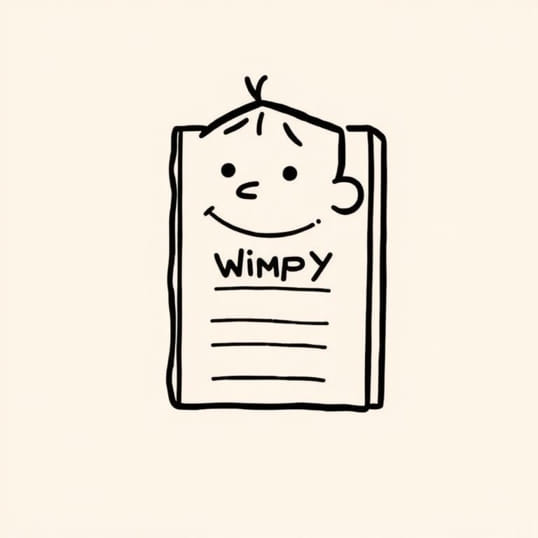
Diary Of A Wimpy Kid
Diary of a Wimpy Kid is a beloved book series that has captured the hearts of millions of readers worldwide. Written by Jeff Kinney, the series combines humor, relatable middle school experiences, and unique illustrations to create a narrative that resonates with children, teenagers, and even adults. At its core, the story follows the life of Greg Heffley, a middle school student navigating the challenges of adolescence, friendships, family dynamics, and the occasional awkward situation. The diary format allows readers to immerse themselves in Greg’s personal thoughts and experiences, making the story both engaging and relatable.
Overview of the Series
The Diary of a Wimpy Kid series began in 2007 and has since grown into a phenomenon with multiple books, movies, and spin-offs. The series is written in a first-person diary style, with hand-written notes and simple cartoon illustrations that bring Greg Heffley’s experiences to life. Each book captures the ups and downs of middle school life, including themes like peer pressure, sibling rivalry, crushes, and personal growth. The humor in the series is both clever and accessible, making it enjoyable for readers of all ages.
Main Characters
- Greg HeffleyThe protagonist, Greg, is an average middle school student with a penchant for getting into awkward situations. He is often self-centered but also highly relatable to readers navigating similar age challenges.
- Rowley JeffersonGreg’s best friend, Rowley, is kind-hearted, naive, and often oblivious to Greg’s schemes. Their friendship provides both comedic moments and lessons about loyalty and empathy.
- Rodrick HeffleyGreg’s older brother, Rodrick, is mischievous and often teases Greg. The sibling rivalry adds humor and realistic family dynamics to the story.
- Manny HeffleyGreg’s younger brother, Manny, is spoiled and manipulative, creating additional challenges and comedic moments for Greg.
- ParentsGreg’s mom and dad are portrayed as well-meaning but sometimes clueless, adding to the humor and relatability of family interactions.
The Diary Format
One of the key elements that make Diary of a Wimpy Kid stand out is its diary format. The books are presented as if Greg himself is writing about his daily life, complete with sketches, doodles, and humorous commentary. This format allows readers to connect directly with Greg’s perspective and understand his thought process, fears, and aspirations. The visual elements complement the written narrative, making the reading experience dynamic and engaging.
Humor and Relatability
The humor in Diary of a Wimpy Kid is a blend of situational comedy, witty observations, and exaggerated depictions of everyday school life. Readers can relate to Greg’s struggles with popularity, embarrassing moments, and the desire to fit in. The series addresses common adolescent experiences such as dealing with bullies, trying to impress peers, and navigating family expectations. By presenting these situations in a humorous and lighthearted way, the books provide both entertainment and subtle life lessons.
Thematic Elements
While the series is primarily comedic, it also explores deeper themes that resonate with young readers. Some of these themes include
- FriendshipThe bond between Greg and Rowley highlights the importance of loyalty, understanding, and compromise in friendships.
- Self-IdentityGreg’s experiences reflect the journey of discovering one’s identity, strengths, and weaknesses during adolescence.
- Family DynamicsThe interactions between Greg and his family members illustrate common family challenges, such as sibling rivalry, parental expectations, and the importance of communication.
- Growth and ResilienceDespite facing numerous embarrassing or challenging situations, Greg often learns valuable lessons about perseverance, problem-solving, and empathy.
Impact on Readers
The Diary of a Wimpy Kid series has had a significant impact on readers worldwide. Children find comfort in seeing their own experiences mirrored in Greg’s life, while adults can appreciate the humor and social commentary. The books encourage reluctant readers to engage with literature due to their approachable style, illustrations, and relatable content. Many educators also use the series in classrooms to discuss themes such as friendship, conflict resolution, and personal responsibility.
Adaptations and Popularity
In addition to the books, Diary of a Wimpy Kid has been adapted into several successful movies and an animated series. These adaptations expand the audience and provide a visual representation of Greg’s adventures. The consistent popularity of the series is a testament to its enduring appeal, with new generations discovering the books each year. Merchandise, themed events, and interactive platforms further enhance the engagement with the series, creating a comprehensive cultural phenomenon.
Why Readers Love It
- RelatabilityGreg’s experiences are universally recognizable, making readers feel understood and connected.
- HumorThe witty observations and comedic illustrations provide continuous entertainment.
- AccessibilityThe diary format, short chapters, and visual elements make the series approachable for young readers and reluctant readers alike.
- Life LessonsBeyond humor, the books subtly impart lessons about friendship, responsibility, and personal growth.
Diary of a Wimpy Kid is more than just a children’s book series; it is a cultural touchstone that captures the trials, humor, and growth of adolescence. Through Greg Heffley’s diary entries, readers experience the challenges of school life, family interactions, and friendships in a format that is both entertaining and educational. The combination of humor, relatable themes, and visual storytelling has made the series a favorite among readers of all ages. Its impact on literacy, engagement, and cultural relevance ensures that Diary of a Wimpy Kid will remain a cherished series for years to come, inspiring new generations to laugh, reflect, and navigate the complexities of growing up with empathy and humor.