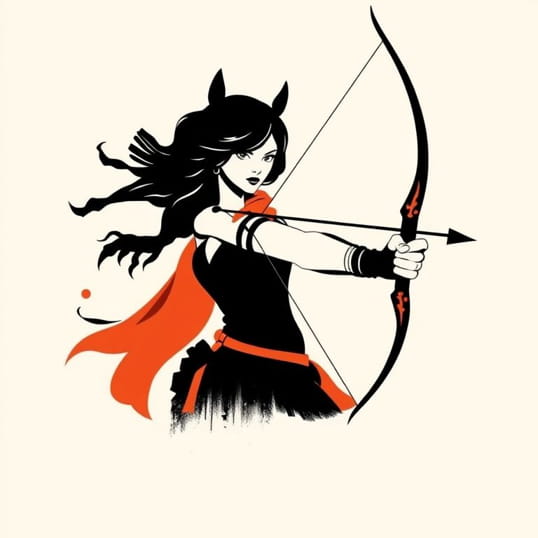
Diana The Huntress Painting
The image of Diana the Huntress has fascinated artists and audiences for centuries, inspiring paintings that portray her strength, beauty, and connection to nature. Known in Roman mythology as the goddess of the hunt, the moon, and wild animals, Diana is often shown with her bow, arrows, and hunting dogs. Paintings of Diana the Huntress combine mythological symbolism with artistic creativity, offering a glimpse into how different cultures and artistic movements interpreted her character. Exploring the theme of Diana in art reveals not only technical mastery but also shifting ideas about femininity, power, and mythology.
Who is Diana the Huntress?
Diana, also called Artemis in Greek mythology, is one of the most important goddesses in classical traditions. She embodies independence, virginity, and a deep bond with the wilderness. In Roman culture, Diana represented purity, strength, and the untamed spirit of nature. When depicted in paintings, Diana the Huntress often appears as a youthful figure, equipped with hunting tools and surrounded by woodland settings. These details emphasize her dual role as protector of animals and as a fierce hunter.
Symbolism in Diana the Huntress Paintings
Paintings of Diana are full of rich symbolism, reflecting her mythological attributes. Artists used these symbols to communicate deeper meanings about her role and influence.
Common Symbols
- Bow and arrowsRepresent her identity as a huntress and her ability to protect herself and others.
- Moon imageryDiana is often associated with the crescent moon, symbolizing cycles, intuition, and feminine energy.
- Hunting dogs or deerAnimals emphasize her closeness to wildlife and her role as guardian of the forest.
- Flowing garmentsOften depicted in motion, these garments highlight her active, dynamic nature.
Historical Context of Diana in Art
The theme of Diana the Huntress has been popular from antiquity to modern times. Artists from different periods brought unique interpretations, influenced by cultural values and artistic trends.
Renaissance Era
During the Renaissance, artists revived classical mythology, using it as a source of inspiration for both secular and religious art. Diana was painted as an elegant goddess embodying beauty and harmony. Renaissance depictions often emphasize balance and idealized proportions, placing her within lush natural landscapes.
Baroque Interpretations
In the Baroque period, Diana the Huntress paintings became more dramatic and emotional. Strong contrasts of light and shadow highlighted her divinity and strength. The use of dynamic poses and movement conveyed energy, making her appear powerful and commanding.
Neoclassical and Romantic Styles
Neoclassical painters portrayed Diana with simplicity and dignity, focusing on her role as a mythological figure. In contrast, Romantic painters emphasized her connection to wild landscapes, often showing her as a mysterious figure within nature. This period reflected a fascination with both mythology and the sublime aspects of the natural world.
Famous Diana the Huntress Paintings
Several artists created notable works featuring Diana. While many variations exist, some paintings stand out as iconic representations of the goddess.
- Titian’s Diana paintingsThe Venetian master depicted Diana in several works, often surrounded by nymphs in mythological narratives.
- Guido Reni’s Diana the HuntressA famous Baroque painting that captures her poised with bow and quiver, highlighting both grace and power.
- Jean-Antoine Houdon’s sculptural influenceAlthough not a painting, Houdon’s sculpture of Diana influenced how painters represented her athletic and elegant form.
Analyzing the Composition of Diana the Huntress Paintings
When examining a painting of Diana the Huntress, certain compositional elements often stand out. These features help to emphasize her divine and mythological role.
Use of Light
Artists frequently used lighting to highlight Diana, making her the focal point of the composition. In Baroque works, chiaroscuro techniques enhanced her presence, while softer Renaissance light created harmony.
Positioning and Posture
Diana is often shown in mid-motion, either drawing a bow, striding forward, or accompanied by animals. This active positioning reinforces her association with vitality and hunting.
Landscape Backgrounds
Natural settings play an important role in these paintings. Forests, mountains, or moonlit skies enhance the connection between Diana and the wilderness, situating her firmly in her mythological environment.
The Role of Myth in Artistic Expression
Depictions of Diana the Huntress reflect broader cultural interests in mythology. For artists, painting her was not simply about retelling myths, but also about exploring themes of strength, beauty, and independence. The myth of Diana offered a way to discuss femininity and power in visual form, allowing painters to merge mythological narratives with personal artistic expression.
Modern Interpretations of Diana the Huntress
Even in modern times, artists continue to be inspired by Diana the Huntress. Contemporary paintings may reimagine her role in new contexts, blending traditional symbolism with modern techniques. She can be depicted as a feminist icon, a symbol of nature conservation, or even a metaphor for independence in society.
Feminist Symbolism
In some modern interpretations, Diana represents female strength and autonomy. By emphasizing her independence and refusal to conform, contemporary artworks link her story with broader social movements.
Environmental Connections
Given her strong ties to wildlife and forests, Diana is also associated with environmental themes. Paintings can portray her as a guardian of nature, reminding viewers of the importance of ecological preservation.
Why Diana the Huntress Continues to Inspire
The enduring appeal of Diana the Huntress paintings lies in her timeless qualities. She represents independence, courage, and natural beauty traits that resonate across centuries. Artists can adapt her image to suit different cultural moments, ensuring that she remains relevant in both classical and modern art.
Educational Value of Studying Diana the Huntress Paintings
For students and art enthusiasts, examining Diana paintings provides valuable lessons in both art history and mythology. It highlights how cultural narratives are transmitted through art and how visual elements reinforce symbolic meaning.
Key Learning Points
- How mythological figures are adapted across artistic movements.
- The role of symbolism in reinforcing identity and narrative.
- The importance of composition, posture, and setting in classical paintings.
The theme of Diana the Huntress has captivated artists from ancient times to the present day. Whether painted in the harmonious style of the Renaissance, the dramatic flair of the Baroque, or modern reinterpretations, Diana remains a symbol of strength, beauty, and independence. Paintings of Diana the Huntress serve as visual bridges between mythology and art, reminding us of the enduring power of classical stories to inspire creativity and cultural reflection.