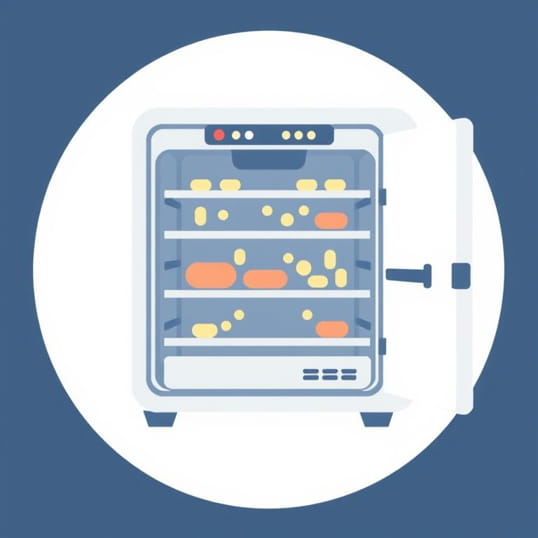
Diagram Of Bacteriological Incubator
In microbiology laboratories, one of the most important pieces of equipment is the bacteriological incubator. It is designed to provide a controlled environment that allows microorganisms such as bacteria and fungi to grow under suitable conditions. While the term diagram of bacteriological incubator” often refers to a visual representation of its structure, it can also be explained in words by breaking down its components and their functions. Understanding each part of the incubator, how they work together, and their purpose helps students, researchers, and professionals to use the device effectively and safely.
Introduction to Bacteriological Incubator
A bacteriological incubator is an insulated and temperature-regulated chamber that maintains a stable environment for the cultivation of microorganisms. It is commonly used in medical, biological, and research laboratories. The device works by keeping samples such as agar plates, culture tubes, and Petri dishes at a constant temperature, usually between 25°C and 45°C, depending on the type of organism being studied. The diagram of a bacteriological incubator typically shows its main body, heating system, thermostat, and shelves.
Main Components Shown in the Diagram of a Bacteriological Incubator
When studying the diagram of bacteriological incubator, several parts stand out as essential for its operation. Each part contributes to maintaining the right environment for microbial growth.
1. Outer Body
The outer body is usually made of steel, often coated with powder paint to resist corrosion. It protects the inner components and provides insulation. In the diagram, this is shown as the main rectangular or box-shaped structure.
2. Inner Chamber
Inside the incubator is a chamber lined with stainless steel or aluminum. This material is easy to clean and resists contamination. The inner chamber houses shelves where culture samples are placed. The diagram highlights this section as the main interior space.
3. Shelves or Racks
Adjustable shelves allow multiple culture plates or flasks to be incubated at once. These racks maximize space utilization and maintain proper airflow. In diagrams, they are usually drawn as horizontal lines inside the chamber.
4. Door and Glass Window
The door provides access to the chamber, and some designs include a glass window for observing cultures without opening the incubator. This prevents heat loss and disturbance to the internal environment. In diagrams, the door is shown at the front with a transparent section.
5. Heating Element
The heating system is located around or beneath the chamber. It maintains the set temperature by converting electrical energy into heat. This part is usually marked near the base or side walls in the diagram.
6. Thermostat and Control Panel
The thermostat regulates temperature by turning the heater on and off automatically. Modern bacteriological incubators feature digital control panels that display temperature and allow adjustments. In diagrams, these controls are drawn on the exterior surface of the unit.
7. Ventilation System
Some incubators include air vents or fans to maintain proper airflow and prevent uneven heating. These are typically illustrated at the top or sides of the diagram.
8. Power Supply
The power cable and electrical system supply energy to the incubator. This is often shown as a small external component in diagrams, connected to the heater and control panel.
Functions of Different Parts in the Diagram
Each part plays an important role in the overall function of the bacteriological incubator
- Outer bodyProtects internal systems and provides insulation.
- Inner chamberHouses microbial cultures in a sterile and controlled environment.
- ShelvesOrganize and support multiple culture containers.
- Door and glass windowProvide access and visibility without disturbing internal conditions.
- Heating elementGenerates consistent heat for incubation.
- ThermostatEnsures precise temperature control.
- VentilationPromotes even temperature distribution.
- Power supplyProvides electricity for operation.
How the Bacteriological Incubator Works
The working principle of a bacteriological incubator is based on maintaining a constant temperature suitable for microbial growth. After samples are placed inside the chamber, the thermostat is set to the desired temperature. The heating element turns on and warms the chamber. Once the temperature reaches the set level, the thermostat automatically cuts off the power to the heater. When the temperature drops slightly, the thermostat activates the heater again. This cycle continues to keep the environment stable. The diagram of bacteriological incubator helps visualize this process by showing the relationship between heating, airflow, and temperature regulation.
Applications of Bacteriological Incubator
Bacteriological incubators are widely used in various fields. Their diagram often accompanies laboratory manuals to help students and technicians understand how to handle the equipment.
- Medical laboratoriesFor growing bacterial cultures that assist in diagnosing infections.
- Research laboratoriesUsed in microbiology, biotechnology, and pharmaceutical studies.
- Food industryTo test food samples for contamination and quality control.
- Educational institutionsFor teaching microbiology students about culture techniques.
Advantages of Using a Bacteriological Incubator
Having a bacteriological incubator offers several benefits, which are often highlighted when explaining its diagram and functions
- Provides a controlled environment for accurate results.
- Maintains constant temperature without manual adjustments.
- Supports the growth of different microorganisms.
- Reduces contamination risks due to enclosed design.
- Durable structure with stainless steel interior for long-term use.
Safety Precautions in Operating an Incubator
When learning about the diagram of bacteriological incubator, it is also important to understand safety measures. Since the device involves heat and microbial growth, proper precautions should be taken
- Always use gloves and lab coats when handling cultures.
- Do not open the door frequently, as it causes temperature fluctuations.
- Place the incubator in a well-ventilated area to avoid overheating.
- Clean the chamber regularly to prevent contamination.
- Ensure electrical safety by checking cords and plugs before use.
The diagram of bacteriological incubator provides a clear understanding of its structure, components, and working principles. By breaking down the parts such as the outer body, inner chamber, heating system, thermostat, and shelves, one can appreciate how each element contributes to maintaining the right conditions for microbial growth. This laboratory equipment plays a crucial role in research, medical diagnostics, food safety, and education. Understanding its design and function not only helps in using it effectively but also ensures accurate results and safe laboratory practices.