Describe The Nervous System Of An Echinoderm
The nervous system of echinoderms is a unique and fascinating structure that differs significantly from the centralized nervous systems found in many other animals. Echinoderms, such as starfish, sea urchins, and sea cucumbers, exhibit radial symmetry in adulthood, which influences the arrangement and functionality of their nervous system. Despite lacking a brain, echinoderms are capable of complex movements, coordinated feeding behaviors, and environmental responses. Understanding their nervous system sheds light on how these marine invertebrates interact with their surroundings and maintain essential bodily functions.
Overview of the Echinoderm Nervous System
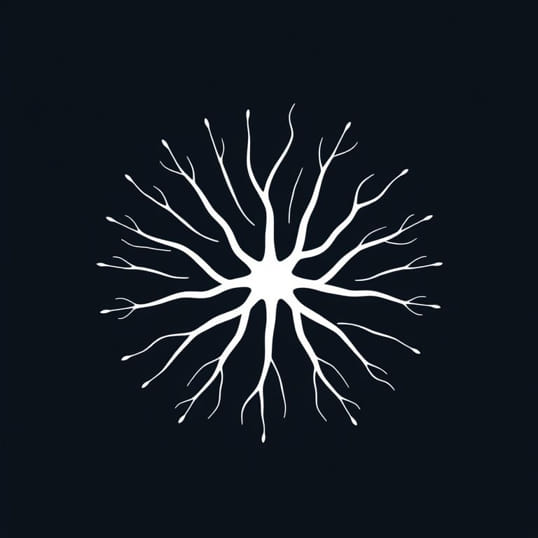
The nervous system of echinoderms is decentralized and primarily consists of a nerve ring surrounding the central disc, with radial nerve cords extending into each arm or body segment. This arrangement corresponds with the organism’s pentaradial symmetry. The absence of a brain means that echinoderms rely on this network of nerves to process sensory information and coordinate motor activities, including locomotion, feeding, and response to environmental stimuli. The nervous system works closely with the water vascular system, which helps in movement and coordination.
Main Components of the Nervous System
- Nerve RingThe nerve ring encircles the central disc and functions as a control center, coordinating signals between the radial nerve cords and peripheral sensory structures.
- Radial Nerve CordsExtending from the nerve ring, these cords run along the length of each arm in starfish or along the body in other echinoderms. They transmit motor and sensory signals to and from the nerve ring.
- Peripheral NervesSmaller branches of the radial nerves innervate the body wall, tube feet, and other appendages, enabling movement and tactile sensation.
- Sensory CellsDistributed across the body surface and tube feet, sensory cells detect touch, light, and chemical stimuli from the environment.
Functionality of the Echinoderm Nervous System
The nervous system of echinoderms is responsible for integrating sensory inputs and producing coordinated motor responses. Although they lack a brain, the nerve ring and radial nerve cords allow for significant behavioral complexity. Locomotion is achieved by the combined action of radial nerve cords and the water vascular system, particularly through the tube feet, which extend and contract in response to neural signals. Echinoderms can also respond to changes in light intensity and touch, helping them avoid predators and navigate their environment.
Locomotion and Coordination
In starfish, for example, movement is coordinated by the radial nerve cords that control the tube feet. Signals from the nerve ring initiate contraction of muscles in the tube feet, allowing the starfish to adhere to surfaces and move in a coordinated manner. The nervous system ensures that movements of individual arms are synchronized, enabling the organism to crawl effectively over complex surfaces.
Sensory Perception
Echinoderms possess various sensory mechanisms, despite lacking complex organs like eyes or ears. Photoreceptor cells at the tips of starfish arms detect light, while mechanoreceptors and chemoreceptors in the skin and tube feet allow the organism to sense touch, vibration, and chemical changes in the surrounding water. The radial nerve cords transmit these sensory signals to the nerve ring, which integrates the information and triggers appropriate motor responses.
Interaction with the Water Vascular System
The echinoderm nervous system is closely linked with the water vascular system, a hydraulic network used for movement, feeding, and respiration. The nerve ring and radial nerve cords coordinate the extension and contraction of tube feet by regulating the flow of water within the system. This integration ensures precise control of movement, allowing echinoderms to manipulate objects, climb surfaces, and explore their environment efficiently.
Examples of Neural Control in Echinoderms
- StarfishThe radial nerve cords coordinate the tube feet to capture prey, such as bivalves, by prying open shells and holding them in place.
- Sea UrchinsTheir nerve network regulates the movement of spines and pedicellariae to protect against predators.
- Sea CucumbersNeural control allows them to contract and elongate their body to move through sediments and feed on detritus.
Comparison with Other Animal Nervous Systems
Unlike vertebrates, echinoderms do not have a centralized brain, yet their decentralized nervous system is well-suited to their radial symmetry and lifestyle. While vertebrates rely on a central nervous system for integrating sensory input and coordinating responses, echinoderms distribute these functions across the nerve ring and radial nerve cords. This structure allows for local reflexes in each arm or body segment, providing flexibility and redundancy, which is beneficial for survival in diverse marine habitats.
Advantages of a Decentralized Nervous System
- Allows arms or body segments to operate semi-independently, enhancing adaptability.
- Reduces vulnerability to localized damage; loss of one arm does not incapacitate the organism.
- Efficiently coordinates movement and feeding behaviors without the need for a central brain.
- Integrates sensory inputs from multiple directions simultaneously, matching the radial body plan.
The nervous system of echinoderms is a remarkable example of evolutionary adaptation to radial symmetry and a sessile or slow-moving lifestyle. Comprising a nerve ring, radial nerve cords, peripheral nerves, and sensory cells, it coordinates complex behaviors without a centralized brain. By interacting with the water vascular system, it facilitates precise locomotion, feeding, and environmental responses. The study of echinoderm neurobiology not only highlights the diversity of nervous system architectures in the animal kingdom but also emphasizes the adaptability and efficiency of decentralized neural networks in supporting survival and ecological success. This understanding deepens our appreciation of marine invertebrates and provides insights into the evolutionary development of nervous systems across species.