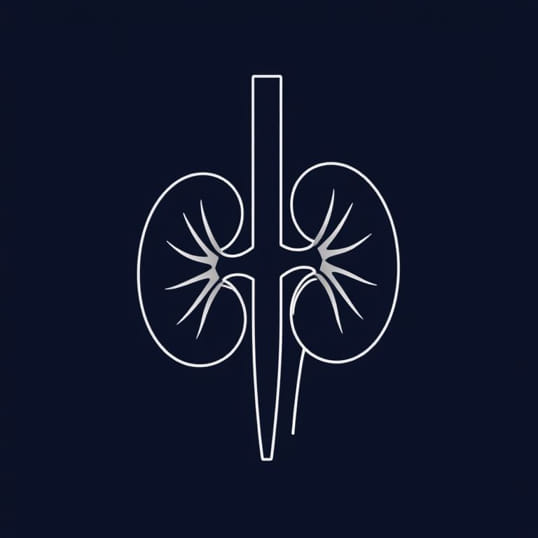
Describe The Macroscopic Structure Of The Kidney
The human kidney is a vital organ that plays a central role in maintaining homeostasis by filtering blood, removing waste products, balancing electrolytes, and regulating fluid levels. Understanding the macroscopic structure of the kidney provides insights into how this organ efficiently performs these complex tasks. Unlike the microscopic level of nephrons, which are the functional units of the kidney, the macroscopic structure refers to the overall anatomical features that can be observed with the naked eye. These include the external shape, internal organization, and major anatomical components that enable the kidney to carry out filtration, reabsorption, and excretion processes effectively.
External Structure of the Kidney
Macroscopically, the kidney is a bean-shaped organ located retroperitoneally on either side of the vertebral column, typically between the T12 and L3 vertebrae. It is surrounded by a protective layer of fat known as the renal capsule, which cushions the kidney against mechanical shocks and maintains its position within the body. The average adult kidney measures approximately 10 to 12 centimeters in length, 5 to 7 centimeters in width, and about 3 centimeters in thickness. The lateral surface of the kidney is convex, while the medial border is concave, forming a prominent indentation called the renal hilum. This hilum serves as the entry and exit point for essential structures, including the renal artery, renal vein, ureter, lymphatic vessels, and nerves.
Renal Hilum and Associated Structures
- Renal ArterySupplies oxygenated blood from the abdominal aorta to the kidney.
- Renal VeinDrains deoxygenated blood into the inferior vena cava.
- UreterCarries urine from the kidney to the urinary bladder.
- Lymphatics and NervesProvide immune surveillance and autonomic control of kidney functions.
Internal Structure of the Kidney
The internal macroscopic structure of the kidney reveals two distinct regions the outer renal cortex and the inner renal medulla. These regions are arranged in a highly organized manner to optimize the kidney’s functional efficiency. The cortex forms the outer layer, rich in blood vessels, and contains the renal corpuscles and initial segments of the nephrons. The medulla, in contrast, is composed of pyramidal structures called renal pyramids, which are responsible for the collection and transport of urine toward the renal pelvis.
Renal Cortex
The renal cortex appears as a reddish-brown outer layer that extends between the renal pyramids as renal columns, providing support and vascular channels. The cortex contains numerous nephrons, the microscopic functional units responsible for filtering blood and initiating urine formation. Macroscopically, the cortex gives the kidney its granular appearance due to the density of nephrons and associated capillaries. Blood vessels entering through the hilum branch extensively within the cortex, ensuring efficient filtration and nutrient delivery to kidney tissues.
Renal Medulla
The renal medulla lies beneath the cortex and is organized into 8 to 18 conical structures known as renal pyramids. Each pyramid has a broad base facing the cortex and an apex called the renal papilla that projects into minor calyces. The pyramids appear striated because of the parallel arrangement of collecting ducts and loops of Henle, which create the striated pattern visible at the macroscopic level. The medulla functions primarily in concentrating urine and facilitating its passage to the renal pelvis.
Renal Pelvis and Calyces
At the apex of each renal pyramid, the renal papilla opens into a minor calyx, a cup-shaped structure that collects urine. Several minor calyces converge to form a major calyx, and major calyces merge to form the renal pelvis, a funnel-shaped cavity that transitions into the ureter. This hierarchical structure ensures the efficient collection and drainage of urine from the nephrons to the bladder. The renal pelvis is also surrounded by smooth muscle that helps propel urine through peristaltic movements.
Blood Supply and Vascular Organization
Macroscopically, the kidney has a rich and intricate blood supply that is crucial for its function. The renal artery branches repeatedly within the kidney to form segmental, interlobar, arcuate, and interlobular arteries, ensuring that each nephron receives an adequate blood supply. The renal vein collects blood from smaller veins in a reverse hierarchy, draining deoxygenated blood into the inferior vena cava. The organization of these vessels within the cortex and medulla is a key feature observable at the macroscopic level, highlighting the kidney’s design for efficient filtration and metabolic exchange.
Key Vascular Features
- Interlobar ArteriesRun between renal pyramids within the renal columns.
- Arcuate ArteriesArch over the base of the pyramids at the corticomedullary junction.
- Interlobular ArteriesPenetrate the cortex, supplying glomeruli and nephron segments.
Other Macroscopic Features
The kidney’s external and internal structures also include connective tissue layers, fat deposits, and fibrous capsules that protect against trauma and infection. The renal capsule, a dense layer of connective tissue, envelopes the organ, while the surrounding perirenal fat cushions the kidney and maintains its position. Additionally, the renal fascia anchors the kidney to surrounding structures, preventing displacement during body movements. Collectively, these features ensure that the kidney remains functional and structurally intact under varying physiological conditions.
Functional Implications of Macroscopic Structure
The macroscopic organization of the kidney is intricately linked to its function. The arrangement of the cortex and medulla optimizes blood filtration, urine concentration, and waste removal. The renal pyramids and collecting system facilitate efficient urine flow from microscopic nephron units to the ureter. Similarly, the rich vascular network supports metabolic activity and filtration capacity. Understanding these macroscopic structures provides essential insights for medical diagnostics, surgical interventions, and educational purposes, highlighting the connection between form and function in renal physiology.
Clinical Relevance
- Knowledge of the renal hilum is crucial for surgical procedures such as nephrectomy or kidney transplantation.
- Understanding the cortex-medulla organization helps in interpreting imaging studies like CT scans or MRIs.
- Vascular anatomy is important in treating conditions such as renal artery stenosis or thrombosis.
- Macroscopic abnormalities can indicate diseases like hydronephrosis, polycystic kidney disease, or tumors.
The macroscopic structure of the kidney provides a comprehensive overview of how this organ is designed to perform its essential functions efficiently. From its external bean-shaped form with the hilum to the internal organization of the cortex, medulla, pyramids, and renal pelvis, every feature contributes to filtration, urine collection, and homeostatic regulation. The vascular network and protective connective tissue layers further enhance the kidney’s functionality and resilience. A thorough understanding of the kidney’s macroscopic anatomy is fundamental for both medical practice and biological education, demonstrating the remarkable relationship between anatomical design and physiological function in human health.