Deodorization Process In Oil Refining
The deodorization process in oil refining is a critical step that ensures edible oils are free from undesirable odors and flavors. This process is essential for producing high-quality cooking oils, margarine, and other food products that meet consumer expectations for taste and aroma. Deodorization not only improves sensory properties but also enhances the stability and shelf life of oils. Understanding the deodorization process requires exploring its purpose, techniques, equipment, and the chemical principles involved, as well as its impact on oil quality and nutritional value.
Purpose of Deodorization in Oil Refining
Deodorization is a form of physical refining that focuses on removing volatile compounds responsible for unwanted odors and flavors in edible oils. These compounds can be generated during oil extraction or as a result of oxidation and hydrolysis. The presence of such impurities affects not only the sensory quality but also the marketability and consumer acceptability of the final product. By implementing deodorization, oil producers achieve oils with a neutral taste and aroma, which can then be used in a variety of culinary and industrial applications.
Key Objectives of Deodorization
- Elimination of volatile odoriferous compounds such as free fatty acids, aldehydes, ketones, and sulfur-containing compounds.
- Improvement of oil stability and prevention of rancidity by reducing compounds that accelerate oxidative degradation.
- Enhancement of the oil’s visual quality, contributing to a lighter color and more appealing appearance.
- Preparation of refined oils for blending or further processing without negatively affecting their flavor profile.
Principles of the Deodorization Process
The deodorization process is primarily based on high-temperature steam distillation under vacuum conditions. This combination allows volatile impurities to evaporate while minimizing the risk of thermal degradation of the oil. Steam serves as a stripping agent that carries away undesirable compounds, and the vacuum reduces the boiling point of these volatiles, enabling their removal at lower temperatures. The careful control of temperature, pressure, and steam flow is crucial to achieving effective deodorization without compromising oil quality.
Chemical and Physical Considerations
During deodorization, several chemical and physical phenomena occur
- VolatilizationVolatile compounds are evaporated and removed from the oil matrix by steam.
- Thermal DecompositionSome odor-causing substances break down into less volatile and less odorous compounds at high temperatures.
- Stripping EfficiencyThe effectiveness of removing impurities depends on steam flow rate, contact time, and vacuum level.
- Minimization of Oil LossOptimization is necessary to prevent excessive loss of desirable components such as tocopherols and polyunsaturated fatty acids.
Equipment Used in Deodorization
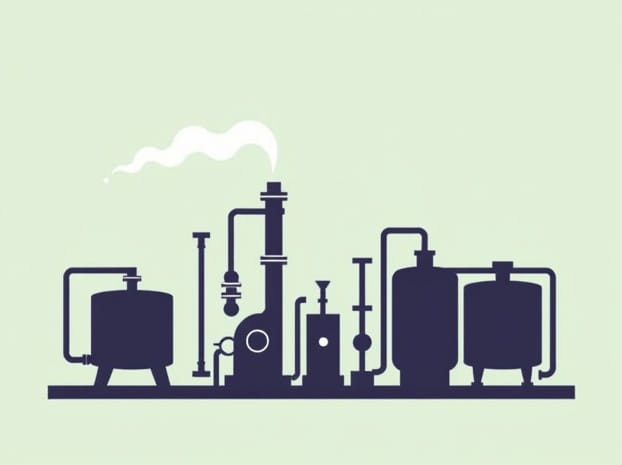
Modern deodorization units are designed to maximize efficiency and maintain the quality of refined oils. The equipment typically consists of a vacuum chamber, steam injection system, and condensers for capturing stripped volatiles. Oil is heated in the chamber, and high-pressure steam is injected to facilitate the removal of odor-causing substances. Condensers prevent the escape of volatiles into the environment, allowing them to be collected and treated appropriately.
Types of Deodorizers
- Batch DeodorizersOperate in cycles where oil is loaded, treated with steam under vacuum, and then removed. These are suitable for small-scale operations and specialty oils.
- Continuous DeodorizersAllow for a constant flow of oil through the deodorization chamber, offering higher efficiency and scalability for industrial production.
- Stripper ColumnsSometimes used in conjunction with conventional deodorization to improve the removal of specific volatile impurities.
Process Parameters
The success of deodorization depends on careful monitoring of critical parameters. The most important factors include temperature, vacuum pressure, steam flow rate, and residence time. Typical deodorization temperatures range from 180°C to 240°C, depending on the type of oil and the desired quality. The vacuum level is adjusted to lower the boiling point of volatiles, ensuring efficient removal without excessive thermal damage. Steam flow is controlled to achieve optimal stripping while conserving energy and minimizing oil loss. Residence time in the deodorizer must be long enough to remove impurities but short enough to avoid degradation of sensitive components.
Optimization of Parameters
Refineries often conduct trials to determine the best combination of temperature, vacuum, and steam for each type of oil. Overheating can lead to color darkening and loss of nutritional compounds, while insufficient steam or vacuum reduces deodorization efficiency. Proper control ensures high-quality oil with neutral taste and maximum retention of natural antioxidants such as tocopherols and carotenoids.
Impact of Deodorization on Oil Quality
Deodorization improves the sensory and chemical properties of oils, making them suitable for a wide range of applications. However, improper deodorization can negatively affect oil quality. Excessive temperatures or prolonged processing may result in the formation of trans fats, loss of essential nutrients, and the development of off-flavors. Careful process control is therefore crucial to preserve the beneficial properties of the oil while eliminating undesirable characteristics.
Nutritional and Functional Considerations
- Retention of vitamin E and other antioxidants is important for both nutritional value and oxidative stability.
- Minimizing the formation of polar compounds during deodorization preserves oil functionality in cooking and food preparation.
- Ensuring a neutral flavor allows the oil to be used in diverse culinary applications without altering the taste of food.
Environmental and Safety Aspects
The deodorization process involves handling high-temperature steam and volatile compounds, which requires adherence to safety and environmental regulations. Modern deodorization systems include condensers and scrubbers to capture and treat volatiles, preventing air pollution. Additionally, maintaining equipment under proper vacuum conditions reduces the risk of steam-related accidents. Implementing best practices ensures both operator safety and environmental compliance while producing high-quality oils.
The deodorization process in oil refining is an essential step for producing high-quality, neutral-tasting edible oils. By carefully controlling temperature, vacuum, steam flow, and residence time, refineries can effectively remove undesirable volatile compounds while preserving beneficial nutrients and antioxidants. Deodorization not only enhances sensory qualities but also contributes to the stability, shelf life, and versatility of oils for culinary and industrial use. With advances in technology and process optimization, deodorization continues to play a crucial role in meeting consumer expectations for safe, nutritious, and high-quality oils.