Dendritic Cells Innate Or Adaptive
The immune system is a highly sophisticated network designed to protect the body from infections, cancer, and other harmful agents. Among its many components, dendritic cells play a crucial role in orchestrating immune responses. These specialized cells act as sentinels, constantly surveying tissues for pathogens and presenting antigens to other immune cells. A common question in immunology is whether dendritic cells belong to the innate or adaptive immune system. Understanding their unique functions, interactions, and signaling pathways helps clarify how they bridge innate and adaptive immunity, making them essential players in both immediate and long-term defense mechanisms.
Introduction to Dendritic Cells
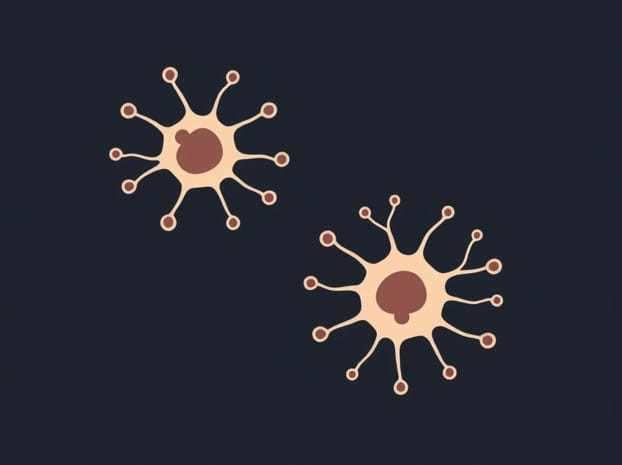
Dendritic cells are a type of antigen-presenting cell found in nearly all tissues of the body, especially in areas exposed to external environments such as the skin, mucous membranes, and lymphoid tissues. Named for their tree-like branching projections, called dendrites, these cells excel in capturing antigens from pathogens or damaged cells. They process these antigens and present them on their surface using major histocompatibility complex (MHC) molecules to T lymphocytes. This process is central to initiating a targeted immune response. Due to their dual role in detecting pathogens and activating adaptive immunity, dendritic cells occupy a unique position in the immune system.
Origin and Development
Dendritic cells originate from bone marrow progenitor cells. There are two main pathways for their development myeloid and plasmacytoid lineages. Myeloid dendritic cells arise from common myeloid progenitors and are involved in classical antigen presentation, while plasmacytoid dendritic cells are derived from lymphoid progenitors and specialize in producing type I interferons in response to viral infections. This diversity in origin and function allows dendritic cells to respond to a wide array of pathogens and adapt to the body’s immunological needs. Their development is tightly regulated by cytokines and growth factors, including Flt3 ligand, GM-CSF, and IL-4, which influence their maturation and functional capabilities.
Dendritic Cells and Innate Immunity
Dendritic cells are often considered part of the innate immune system because they possess several features typical of innate immune cells. They can rapidly detect pathogens using pattern recognition receptors (PRRs) such as toll-like receptors (TLRs), C-type lectin receptors, and NOD-like receptors. These receptors recognize conserved molecular structures found in bacteria, viruses, and fungi, known as pathogen-associated molecular patterns (PAMPs). Upon encountering a pathogen, dendritic cells respond immediately by secreting inflammatory cytokines and chemokines, recruiting other immune cells to the site of infection. This innate response is crucial for controlling infections in their early stages.
Phagocytosis and Antigen Capture
In addition to cytokine production, dendritic cells engage in phagocytosis, engulfing pathogens, dead cells, and debris. Unlike other innate cells, such as macrophages, dendritic cells specialize in processing the captured antigens and presenting them on MHC molecules. This ability allows dendritic cells to link the fast, nonspecific actions of the innate immune system with the targeted and long-lasting responses of the adaptive immune system. Their phagocytic activity ensures that pathogens are detected quickly and that information about the pathogen is accurately conveyed to adaptive immune cells.
Dendritic Cells and Adaptive Immunity
Dendritic cells are equally critical to adaptive immunity. After capturing and processing antigens, dendritic cells migrate to lymphoid organs where they interact with naive T cells. They present antigens via MHC class I or II molecules, depending on the type of pathogen encountered. Through costimulatory molecules and cytokine signaling, dendritic cells activate T cells, guiding their differentiation into specialized subsets such as cytotoxic T cells, helper T cells, or regulatory T cells. This activation is essential for generating a specific immune response tailored to the invading pathogen and establishing immunological memory, which provides long-term protection against future infections.
Cross-Talk Between Innate and Adaptive Immunity
Dendritic cells serve as a bridge between innate and adaptive immunity. By detecting pathogens through innate mechanisms and subsequently activating T cells through antigen presentation, they ensure coordination between immediate and long-term immune defenses. For instance, the secretion of type I interferons by plasmacytoid dendritic cells not only combats viral replication but also primes adaptive immune cells for enhanced responsiveness. This cross-talk allows the immune system to integrate rapid pathogen detection with precise and durable responses, highlighting the versatility and central importance of dendritic cells.
Subtypes and Functional Specialization
Dendritic cells are a heterogeneous population with multiple subtypes, each adapted to specific functions. Conventional dendritic cells excel in antigen presentation and T cell activation, while plasmacytoid dendritic cells are specialized in antiviral responses. Langerhans cells, found in the skin, act as sentinels, detecting environmental antigens and presenting them to T cells. Other tissue-resident dendritic cells are tailored to specific organs, such as the lungs, liver, or intestines, where they maintain tissue homeostasis and respond to local infections. This specialization underscores their dual role in innate and adaptive immunity and ensures that dendritic cells are effective in diverse physiological contexts.
Clinical Implications
Understanding dendritic cells’ dual role in immunity has significant clinical implications. They are targets in vaccine development, where activating dendritic cells can enhance antigen-specific immune responses. Dendritic cell-based immunotherapies are being explored for cancer treatment, aiming to prime T cells to recognize and attack tumor cells. Conversely, overactivation of dendritic cells can contribute to autoimmune diseases, allergies, and chronic inflammation. Therapeutic strategies that modulate dendritic cell activity are therefore being developed to either enhance immune defense or reduce pathological immune responses, demonstrating the importance of these cells in health and disease.
Dendritic cells occupy a unique position in the immune system, exhibiting features of both innate and adaptive immunity. They detect pathogens rapidly using innate mechanisms, secrete cytokines to coordinate early immune responses, and process antigens for presentation to T cells, initiating adaptive immunity. Their ability to bridge innate and adaptive systems ensures that the body can respond efficiently to a wide variety of threats, from immediate infections to long-term challenges. By studying dendritic cells, scientists gain insight into immune system coordination, vaccine design, and therapies for infectious diseases, cancer, and autoimmune disorders. Their dual role makes dendritic cells indispensable to maintaining immune homeostasis and defending the body against diverse pathogens.
- Dendritic cells act as antigen-presenting cells found in most tissues of the body.
- They have features of both innate immunity, like pathogen detection via pattern recognition receptors, and adaptive immunity, through T cell activation.
- Subtypes include conventional, plasmacytoid, and tissue-resident dendritic cells, each with specialized functions.
- Dendritic cells link immediate immune responses with long-term immunological memory.
- They are involved in clinical applications such as vaccines, cancer immunotherapy, and immune modulation.
- Understanding their dual role helps clarify the coordination between innate and adaptive immunity.
- Effective dendritic cell function is critical for pathogen defense, tissue homeostasis, and overall immune health.