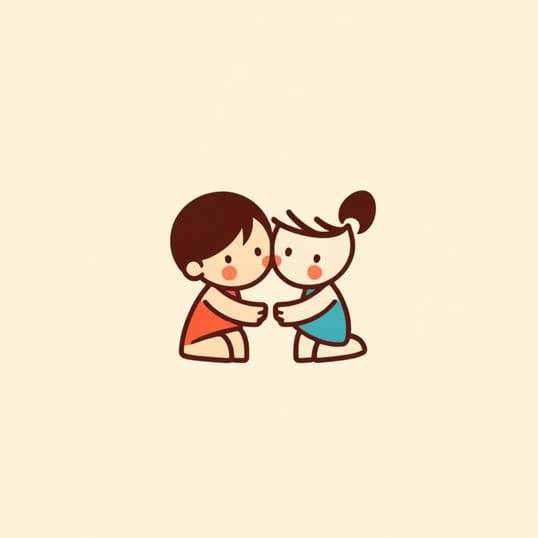
Definition Of Kindness For Kids
Explaining the definition of kindness for kids is important because children are still learning how to connect with others, express emotions, and build friendships. Kindness is not just about being polite, it is about showing care, empathy, and respect. Teaching kindness helps kids grow into responsible and compassionate individuals. When children understand kindness in simple terms, they can apply it daily in school, at home, and in their community. The more kids practice kindness, the more they learn that small actions can make a big difference in the lives of others.
What Does Kindness Mean for Kids?
Kindness for kids can be defined as choosing to do something nice for others without expecting anything in return. It is about treating people the way you would want to be treated. For children, this can mean sharing toys, helping a classmate, saying kind words, or simply listening when someone is sad. It is an action and a feeling, both rooted in respect and compassion.
Simple Words to Define Kindness
- Being friendly and gentle with others.
- Helping someone who needs support.
- Using kind words instead of hurtful words.
- Sharing with friends, siblings, and classmates.
- Respecting people’s feelings and differences.
These simple explanations allow children to see that kindness is something they can practice every day, even in small ways.
Why Is Kindness Important for Kids?
Kindness is one of the most valuable traits children can learn. It benefits both the person showing kindness and the one receiving it. Kids who practice kindness develop stronger friendships, feel happier, and create a positive environment for everyone around them.
Emotional Benefits
When children are kind, they feel good about themselves. Acts of kindness release positive emotions and help build self-confidence. It also reduces stress and makes kids feel connected to others.
Social Benefits
Kindness helps kids make friends and strengthen their relationships. Children who are kind are more likely to be trusted and respected by peers. It also reduces bullying, since kindness promotes empathy and understanding rather than judgment.
Long-Term Growth
Practicing kindness prepares kids for the future. It teaches them how to work in teams, resolve conflicts peacefully, and treat people fairly. These are life skills that will support them in school, careers, and family life.
Examples of Kindness for Kids
Children often learn best through examples. Here are some common ways kids can practice kindness daily
- Helping a parent with chores without being asked.
- Sitting with someone who feels lonely at school.
- Sharing crayons, books, or snacks with classmates.
- Writing a thank-you note to a teacher.
- Offering to help a younger sibling with homework.
- Smiling and greeting neighbors or friends.
These simple actions may seem small, but for children, they create habits that shape their character as they grow older.
How Parents and Teachers Can Teach Kindness
Children learn kindness by observing and practicing. Parents, teachers, and caregivers play a major role in teaching and reinforcing these behaviors. By modeling kindness themselves, adults show kids what it looks like in real life.
Modeling Kindness
Kids notice how adults treat others. When parents show patience, share, and help others, children naturally copy those behaviors. For example, saying thank you to a cashier teaches children the importance of gratitude.
Using Stories and Activities
Stories, books, and classroom activities are excellent tools for teaching kindness. Characters in stories often show acts of kindness, which children can discuss and imitate. Games and role-playing activities also allow kids to practice kindness in fun, interactive ways.
Encouraging Acts of Kindness
Parents and teachers can encourage children by recognizing and praising kind behavior. A simple That was kind of you to share reinforces positive actions and motivates children to continue being kind.
Teaching Kids the Different Forms of Kindness
Kindness can be shown in different ways. Teaching children that kindness goes beyond words helps them see that their actions matter too.
Kindness Through Words
Saying nice things, giving compliments, or offering encouragement are simple ways kids can show kindness with words. For example, telling a classmate, You did a great job! can make someone’s day brighter.
Kindness Through Actions
Helping others, sharing, or offering support are acts of kindness through actions. Even small gestures, like holding a door open or helping someone pick up dropped items, show thoughtfulness.
Kindness Through Listening
Sometimes kindness means being a good listener. Teaching children to pay attention when someone is speaking helps them understand the value of respect and empathy.
Challenges in Teaching Kindness
While kindness is natural, some children may struggle with it, especially if they are shy, insecure, or frustrated. It is important for adults to guide them patiently.
- Some kids may find it difficult to share possessions.
- Children might not recognize when someone needs help.
- Kids may copy negative behavior they see in others.
By providing gentle reminders and positive examples, children gradually learn that kindness benefits everyone, including themselves.
Fun Ways to Practice Kindness at Home and School
Kindness can be taught through fun challenges and activities. Making kindness enjoyable encourages kids to practice it more often.
Kindness Jar
Place a jar in the classroom or at home. Every time a child does something kind, write it on a slip of paper and put it in the jar. At the end of the week, read all the acts of kindness together.
Compliment Circle
Have children sit in a circle and take turns giving compliments to each other. This builds confidence and teaches them to recognize positive qualities in others.
Kindness Chart
Create a chart where kids can track their kind actions, such as helping, sharing, or saying kind words. Reward consistent kindness with praise or small rewards.
The definition of kindness for kids goes beyond simply being nice. It is about caring, sharing, listening, and helping others. Teaching kindness at an early age shapes children into compassionate individuals who value respect and empathy. Through words, actions, and consistent practice, kids learn that kindness is powerful. The more kindness children spread, the better their relationships and communities will become. By modeling and encouraging kindness, parents and teachers prepare kids to grow into caring adults who make the world a brighter and more compassionate place.