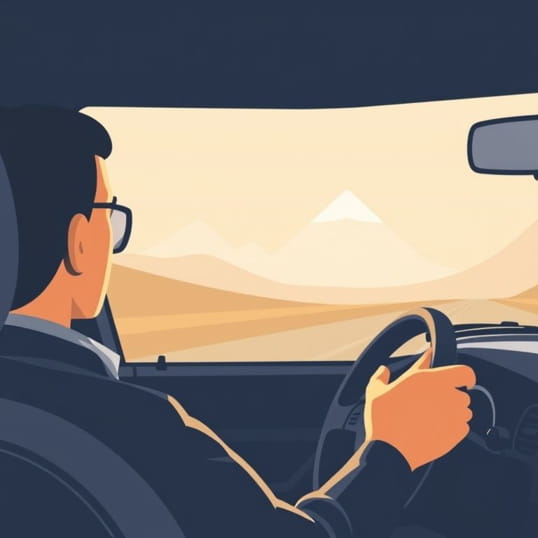
Definition Of Distracted Driving
Driving is an activity that requires full attention, quick decision-making, and constant awareness of the surroundings. Yet, many accidents occur each year because drivers become distracted, even for just a few seconds. The definition of distracted driving goes beyond just texting while behind the wheel. It includes any activity that diverts attention from operating the vehicle safely. Understanding what distracted driving means, its causes, and its consequences is essential for improving road safety and reducing risks for everyone on the road.
Definition of Distracted Driving
The definition of distracted driving can be explained as engaging in any activity that takes the driver’s attention away from the primary task of driving. Distraction can be visual, manual, or cognitive. In other words, if your eyes, hands, or mind are not fully focused on driving, you are distracted. This behavior is dangerous because it delays reaction times, reduces awareness, and increases the likelihood of collisions.
Types of Distracted Driving
There are several categories of distractions that affect drivers. Understanding them helps highlight how common and varied this problem is
- Visual DistractionsTaking your eyes off the road, such as looking at a phone, GPS, or scenery.
- Manual DistractionsRemoving your hands from the steering wheel, like when eating, drinking, or adjusting controls.
- Cognitive DistractionsAllowing your mind to wander away from driving, such as daydreaming, stress, or engaging in deep conversation.
In many cases, distractions overlap. For example, texting while driving is dangerous because it involves visual, manual, and cognitive distraction all at once.
Common Examples of Distracted Driving
Distracted driving can take many forms, some more obvious than others. Here are some everyday examples
- Using a mobile phone to text, call, or browse.
- Eating fast food or drinking beverages while driving.
- Adjusting music, navigation systems, or climate controls.
- Talking to passengers in an intense conversation.
- Looking at billboards, signs, or events outside the car.
- Grooming activities such as applying makeup or fixing hair.
Even seemingly small actions, like reaching for an item on the floor, can be enough to cause an accident if the driver is not paying attention.
Why Distracted Driving Is Dangerous
Driving requires constant awareness because traffic conditions can change in an instant. Taking your attention away from the road for even a few seconds increases the risk of a crash dramatically. For example, if a car is traveling at 55 miles per hour, looking down at a phone for five seconds is like driving blind across a football field. The definition of distracted driving emphasizes how dangerous even short moments of inattention can be.
Statistics Related to Distracted Driving
Research shows that distracted driving is a leading cause of accidents worldwide. Thousands of crashes, injuries, and fatalities each year are linked to driver inattention. Young drivers, in particular, are more likely to engage in activities like texting or using apps while driving. However, distracted driving affects all age groups and is considered one of the biggest modern road safety challenges.
Legal Definitions and Regulations
The definition of distracted driving is often included in traffic laws. Many countries and states have passed regulations to reduce these risky behaviors. Some common legal measures include
- Banning texting and driving for all drivers.
- Prohibiting any handheld phone use while driving.
- Applying stricter penalties for commercial drivers using mobile devices.
- Introducing educational campaigns about the dangers of distracted driving.
These laws reflect how serious distracted driving has become, as lawmakers seek to protect drivers, passengers, and pedestrians from preventable accidents.
Psychological Aspects of Distracted Driving
Many drivers underestimate how distraction affects their ability to drive safely. Some believe they can multitask effectively, but studies show that multitasking while driving leads to slower reactions and impaired judgment. The human brain is not designed to fully process two demanding activities at once. This cognitive limitation is a major reason why distracted driving remains so dangerous.
Technology and Distracted Driving
Modern technology plays a dual role in distracted driving. On one hand, smartphones, touchscreens, and entertainment systems are among the biggest sources of distraction. On the other hand, technology is also being used to fight the problem. For example
- Apps that block texting while driving.
- Hands-free calling systems.
- Vehicle safety features like lane departure warnings or automatic braking.
While these innovations help, they cannot replace a driver’s full attention. Relying too heavily on technology can create a false sense of security.
Prevention and Safety Tips
Reducing distracted driving starts with awareness and responsible behavior. Drivers can take practical steps to stay focused on the road
- Put your phone on silent or store it out of reach.
- Set GPS directions before starting the trip.
- Avoid eating or drinking while driving.
- Take breaks if you feel tired or unfocused.
- Keep conversations with passengers short and light.
Parents can also play an important role by teaching young drivers about the dangers of distractions and setting a good example themselves.
Impact on Insurance and Liability
Distracted driving not only puts lives at risk but also has financial consequences. If a driver causes an accident while distracted, insurance claims may increase, and premiums can rise significantly. In some cases, distracted driving can also result in legal liability, fines, or even criminal charges if serious injuries or fatalities occur.
Future Outlook
As technology continues to advance, the definition of distracted driving may evolve. Automakers are working on systems that detect when a driver is not paying attention and issue alerts. Self-driving technology may also reduce risks in the long term, but for now, human responsibility remains the key factor in preventing distracted driving accidents.
The definition of distracted driving is broad, covering any activity that diverts attention from the road. It includes visual, manual, and cognitive distractions, all of which can endanger lives. From mobile phone use to everyday habits like eating or adjusting the radio, distractions are everywhere. By understanding the risks, following laws, and adopting safer habits, drivers can reduce the chances of accidents and make the roads safer for everyone. Staying focused behind the wheel is not just a personal responsibility but a commitment to protecting others on the road.