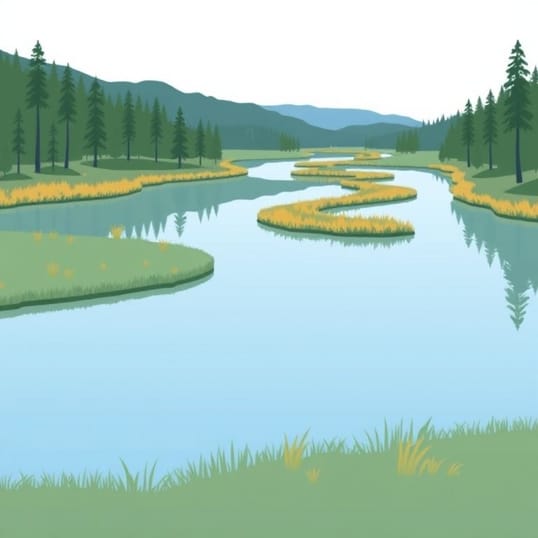
Define Oxbow Lake In Geography
In geography, an oxbow lake is a distinctive and fascinating feature formed through the natural processes of river meandering and erosion. These crescent-shaped lakes are typically found in flat, low-lying floodplain areas where rivers have wide, winding bends. Oxbow lakes form when a river creates a meander so pronounced that it eventually cuts off, leaving a standalone body of water that resembles the shape of an oxbow, a U-shaped collar used to harness oxen. Understanding oxbow lakes is important in physical geography, as they illustrate river dynamics, sediment deposition, and the ongoing evolution of landscapes. They also provide valuable habitats for wildlife and have ecological, hydrological, and even recreational significance.
Formation of an Oxbow Lake
The formation of an oxbow lake is a gradual process driven by the natural movement of rivers over time. Rivers in flat regions often develop sinuous curves or meanders as they flow across the floodplain. These meanders are created because water moves faster along the outer bank of a curve, causing erosion, and slower along the inner bank, where deposition occurs. This constant erosion and deposition gradually exaggerate the bends of the river.
Steps in Oxbow Lake Formation
The formation process can be broken down into several key stages
- Meander DevelopmentThe river begins to curve due to variations in the riverbed and flow velocity, creating bends called meanders.
- Neck NarrowingOver time, erosion on the outer banks of the meander causes the neck of the curve to become narrower.
- Cutoff FormationDuring a flood or high-flow event, the river may break through the narrow neck, creating a new, straighter channel.
- Oxbow Lake CreationThe abandoned meander loop is left isolated from the main river channel, forming an oxbow lake.
- Sediment DepositionSediments gradually seal off the entrances of the oxbow, stabilizing the lake and sometimes creating wetland areas.
Characteristics of Oxbow Lakes
Oxbow lakes possess distinct characteristics that differentiate them from other types of lakes and water bodies. These include their shape, formation process, and ecological features.
Shape and Size
Oxbow lakes are typically crescent or U-shaped, reflecting the original meander of the river. Their size varies depending on the river’s width and the extent of the meander, with some lakes spanning several hundred meters in length while others can stretch over kilometers. The shape of an oxbow lake can change over time as sediment continues to accumulate, sometimes leading to partial or complete infill.
Hydrology
Oxbow lakes are usually stagnant or slow-moving compared to the main river channel. Their water level is influenced by seasonal flooding, rainfall, and groundwater input. Some oxbow lakes may dry up partially during dry seasons, while others maintain a relatively constant water level. Their hydrology makes them important ecological niches, supporting diverse plant and animal species that thrive in calm, nutrient-rich waters.
Ecological Importance
Oxbow lakes provide critical habitats for fish, amphibians, birds, and other wildlife. The calm waters allow for the growth of aquatic vegetation, which serves as food and shelter for many species. Additionally, oxbow lakes act as natural water storage areas, helping to reduce flood risks downstream by temporarily holding excess water during periods of high rainfall.
Examples of Oxbow Lakes Around the World
Oxbow lakes are found in many river systems across the world, often forming in regions with low gradients and wide floodplains. Some notable examples include
- Chilika Lake, IndiaOne of the largest coastal oxbow lakes in the world, formed by the meandering of rivers along the Bay of Bengal.
- Lake Chicot, USALocated in Arkansas, it is the largest oxbow lake in North America, created by the meanders of the Mississippi River.
- Meander oxbows in the Nile River, EgyptSeveral oxbow lakes have formed over centuries as the Nile has shifted its course through the floodplain.
Significance in Geography
Oxbow lakes are significant in both physical and human geography for several reasons. They demonstrate the dynamic nature of rivers and floodplains, providing insights into erosion, sedimentation, and river morphology. Studying oxbow lakes helps geographers understand past river courses and predict future changes in landscapes. Moreover, these lakes influence local ecosystems, agriculture, and human settlement patterns.
Environmental and Agricultural Importance
The nutrient-rich sediments around oxbow lakes make surrounding land fertile for agriculture. Wetlands formed near oxbow lakes act as natural filters, improving water quality by trapping sediments and pollutants. These lakes also contribute to groundwater recharge and provide opportunities for sustainable fishing practices, benefiting local communities economically and ecologically.
Tourism and Recreation
Many oxbow lakes attract tourists and nature enthusiasts due to their scenic landscapes and rich biodiversity. They offer opportunities for bird watching, boating, and fishing. In addition, educational programs and field trips often use oxbow lakes to teach students about river dynamics, ecosystems, and environmental conservation.
Challenges and Conservation
Despite their importance, oxbow lakes face several environmental challenges. Human activities, such as dam construction, river channelization, and pollution, can alter the natural formation and health of oxbow lakes. Overfishing, deforestation, and urban expansion also threaten their ecosystems. Conservation efforts focus on protecting water quality, preventing excessive sedimentation, and maintaining the natural hydrological processes that sustain these lakes.
Measures for Conservation
- Establishing protected areas around oxbow lakes to preserve wildlife habitats.
- Promoting sustainable land use practices to reduce erosion and pollution.
- Restoring degraded oxbow lakes through reforestation and wetland rehabilitation.
- Educating local communities about the ecological and economic benefits of oxbow lakes.
Oxbow lakes are remarkable geographical features that illustrate the natural evolution of river systems. Formed through the cutting off of river meanders, these crescent-shaped lakes are important for ecological balance, flood management, and human livelihoods. They provide habitats for diverse species, support agriculture, and offer recreational opportunities. Understanding the formation, characteristics, and significance of oxbow lakes is essential for geographers, environmentalists, and local communities alike. Conserving these lakes ensures that their ecological, hydrological, and aesthetic values continue to benefit future generations while maintaining the dynamic beauty of river landscapes.