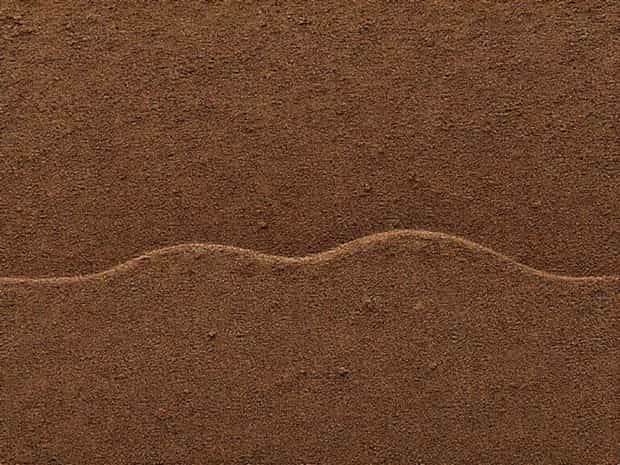
Deep Clayey And Loamy Soil
Deep clayey and loamy soils are two critical types of soil that play a fundamental role in agriculture, horticulture, and environmental management. Understanding their composition, properties, and uses is essential for farmers, gardeners, and land managers aiming to optimize plant growth and soil health. These soils differ in texture, drainage, nutrient retention, and water-holding capacity, making them suitable for different types of crops and cultivation practices. By analyzing the characteristics of deep clayey and loamy soils, one can make informed decisions about land use, irrigation, fertilization, and sustainable agricultural practices, ensuring productive and resilient ecosystems.
Characteristics of Deep Clayey Soil
Deep clayey soil is primarily composed of fine mineral ptopics that are less than 0.002 millimeters in diameter. This fine texture gives the soil its dense, compact structure, high nutrient content, and significant water-holding capacity. However, deep clayey soils are often heavy and slow to drain, which can pose challenges for certain types of plants and agricultural activities. Understanding these characteristics is crucial for effective soil management and crop selection.
Physical Properties
- High water retention due to small ptopic size and low porosity.
- Dense and compact texture, making it harder for roots to penetrate quickly.
- Slow drainage, which can lead to waterlogging in areas with heavy rainfall.
- High plasticity, allowing the soil to retain shape when wet and crack when dry.
Nutrient Content and Fertility
Deep clayey soils are rich in essential nutrients such as calcium, potassium, and magnesium, which are crucial for plant growth. The fine ptopics have a high cation exchange capacity, meaning they can hold and release nutrients efficiently. This makes clayey soils inherently fertile, although their compact nature may require proper management to prevent root suffocation and poor aeration.
Characteristics of Loamy Soil
Loamy soil is considered the most ideal type of soil for agriculture due to its balanced mixture of sand, silt, and clay. It combines the best qualities of each soil type, offering both good drainage and adequate nutrient retention. Loamy soil is well-aerated, easy to cultivate, and supports a wide variety of crops. Its versatility makes it highly favored among farmers and gardeners alike.
Physical Properties
- Balanced texture with moderate ptopic size, providing optimal aeration and drainage.
- Soft and crumbly structure, making it easy to till and manage.
- Good moisture retention without waterlogging, suitable for most plants.
- Excellent root penetration, allowing plants to access nutrients and water effectively.
Nutrient Content and Fertility
Loamy soil has a balanced nutrient profile, with sufficient levels of nitrogen, phosphorus, potassium, and trace elements. Its moderate cation exchange capacity enables efficient nutrient absorption by plants. Additionally, loamy soils often contain organic matter that enhances fertility, supports beneficial microorganisms, and improves soil structure over time.
Differences Between Deep Clayey and Loamy Soils
While both deep clayey and loamy soils are valuable for agriculture, they have distinct differences that affect their suitability for various crops and land management practices. Understanding these differences allows farmers and gardeners to optimize soil use and adopt appropriate cultivation strategies.
Texture and Drainage
- Deep clayey soil Dense and compact, prone to waterlogging, slower drainage.
- Loamy soil Balanced texture, well-drained, and less likely to retain excess water.
Nutrient Retention
- Deep clayey soil High nutrient-holding capacity but may restrict root growth.
- Loamy soil Moderate nutrient retention with better root accessibility.
Ease of Cultivation
- Deep clayey soil Harder to till, may require mechanical intervention or soil amendments.
- Loamy soil Easy to work with, suitable for both hand cultivation and mechanized farming.
Applications in Agriculture
Both deep clayey and loamy soils have specific applications in agriculture depending on crop type, irrigation practices, and climatic conditions. Farmers can use their unique properties to maximize productivity while maintaining soil health.
Deep Clayey Soil Uses
- Ideal for crops requiring high nutrient content, such as rice, wheat, and sugarcane.
- Suitable for water-intensive crops due to its high water-holding capacity.
- Can be improved with organic amendments and proper drainage techniques to enhance aeration.
Loamy Soil Uses
- Highly versatile, supporting vegetables, fruits, cereals, and legumes.
- Preferred for intensive farming due to easy cultivation and nutrient availability.
- Works well with crop rotation and sustainable farming practices.
Soil Management Practices
Proper management is essential for maintaining the productivity and health of both deep clayey and loamy soils. Techniques such as organic amendment, crop rotation, irrigation control, and erosion prevention play a vital role in enhancing soil structure and fertility.
Improving Deep Clayey Soil
- Add organic matter like compost or manure to enhance aeration and reduce compaction.
- Use raised beds or ridges to improve drainage and prevent waterlogging.
- Implement cover cropping to enhance soil structure and prevent erosion.
Maintaining Loamy Soil
- Regular addition of organic matter to sustain fertility and microbial activity.
- Proper irrigation management to avoid leaching and maintain moisture balance.
- Rotation of crops to prevent nutrient depletion and maintain soil health.
Environmental and Ecological Importance
Both soil types play an essential role in maintaining ecological balance and environmental sustainability. Deep clayey soils can store large amounts of water, reducing the risk of drought, while loamy soils support a diverse range of plants and microorganisms, enhancing biodiversity. Sustainable management of these soils contributes to carbon sequestration, erosion control, and long-term agricultural productivity.
Deep clayey and loamy soils each offer unique advantages and challenges for agriculture and horticulture. Deep clayey soil is nutrient-rich and ideal for water-intensive crops, while loamy soil provides a balanced structure suitable for a wide variety of plants. Understanding their physical and chemical properties, along with proper soil management practices, allows farmers and gardeners to maximize productivity, maintain soil health, and ensure sustainable land use. By leveraging the strengths of each soil type and addressing their limitations through effective techniques, it is possible to achieve high crop yields, promote environmental sustainability, and support resilient agricultural systems that meet both present and future needs.