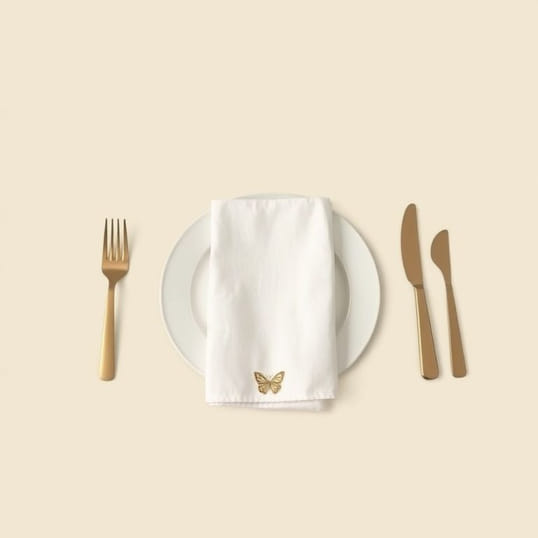
Decorative Linens Used At Mealtime
Decorative linens have long been a staple in creating a visually appealing and elegant mealtime experience. From formal dinners to casual family gatherings, the use of tablecloths, napkins, placemats, and runners can elevate the overall aesthetic of the dining area. These linens are not just functional; they serve as a key design element that enhances the ambiance, complements the tableware, and reflects personal style. Choosing the right decorative linens involves understanding materials, patterns, colors, and occasions, which collectively contribute to a memorable dining experience.
Types of Decorative Linens for Mealtime
Decorative linens come in various forms, each serving a specific purpose while adding a layer of sophistication and practicality to the dining experience. Selecting the right type depends on the formality of the occasion, the style of the dining space, and the type of meal being served.
Tablecloths
Tablecloths are the most prominent decorative linen and can instantly transform the look of a dining table. They come in multiple fabrics such as cotton, linen, polyester, or blends. Cotton and linen are natural fibers that offer a soft texture and a classic look, while polyester options are often more durable and stain-resistant. Tablecloths can be plain for a minimalist aesthetic or patterned to add visual interest and color to the table setting.
- Formal TableclothsOften made of fine linen or damask, used for weddings, holiday dinners, or upscale events.
- Casual TableclothsCotton or easy-care blends suitable for everyday use, brunches, or informal gatherings.
- Seasonal TableclothsDesigns reflecting holidays, seasonal colors, or themed celebrations.
Napkins
Napkins are essential both for practicality and style. They can be matched or contrasted with the tablecloth to create a cohesive look. Decorative napkins are available in various fabrics, including cotton, linen, and synthetic blends, with options for embroidered patterns, lace edges, or bold prints.
- Cloth NapkinsIdeal for formal dining and special occasions. They are reusable and eco-friendly.
- Decorative Paper NapkinsSuitable for casual or themed events. They offer convenience while still adding a decorative touch.
- Folded Napkin DesignsTechniques such as fan folds, pocket folds, or intricate shapes can elevate the visual appeal of a table setting.
Placemats
Placemats protect the table while also serving as a decorative accent. They are versatile and can be made from materials such as woven fibers, vinyl, cork, bamboo, or fabric. Placemats are particularly useful for everyday meals, family dinners, or casual gatherings where a tablecloth may not be necessary.
- Woven PlacematsNatural fibers like jute or rattan add texture and a rustic charm.
- Fabric PlacematsCotton, linen, or synthetic blends allow for coordinated color schemes and patterns.
- Theme-Based PlacematsIdeal for holidays, seasonal meals, or special occasions with matching designs.
Table Runners
Table runners are long strips of fabric placed across the center of the table, often used in combination with a tablecloth. They add a decorative focal point without covering the entire table. Table runners can feature intricate embroidery, lacework, or contemporary designs and are suitable for both formal and casual settings.
- Traditional RunnersOften made of linen or damask for formal dining.
- Modern RunnersBold patterns or textured fabrics for contemporary or casual table settings.
- Seasonal RunnersEnhance the theme of holidays, seasonal colors, or festive events.
Choosing the Right Decorative Linens
Selecting the appropriate decorative linens for mealtime involves several considerations, including color schemes, fabric quality, and the occasion. The right choices can complement tableware, enhance the dining atmosphere, and create a cohesive aesthetic.
Matching Colors and Patterns
Coordinating the colors and patterns of table linens with the overall dining room décor is essential. Neutral tones such as white, beige, or soft pastels are versatile and suitable for formal and casual meals. Bright colors or bold patterns can be used to add interest, reflect seasonal themes, or highlight specific holidays.
Considering Fabric Quality
Fabric choice affects both the appearance and durability of decorative linens. High-quality fabrics like linen and cotton offer elegance and longevity but may require careful laundering. Synthetic blends or polyester options provide convenience, stain resistance, and easy maintenance, making them ideal for families with children or frequent entertainers.
Occasion Appropriateness
Different occasions call for different levels of formality in decorative linens. Formal dinners benefit from fine linens, embroidered designs, and coordinated table settings, while casual gatherings may use playful patterns, casual fabrics, or themed designs. Seasonal and holiday-specific linens add a festive atmosphere without overwhelming the table.
Maintenance and Care of Decorative Linens
Proper care extends the life of decorative linens and maintains their appearance. Following manufacturer recommendations for washing, ironing, and storage ensures that linens remain vibrant and functional over time.
Washing and Drying
Most cotton and linen tablecloths and napkins can be machine washed in cold or warm water. Using gentle detergents helps prevent color fading. Synthetic blends may require lower temperatures or gentle cycles. Drying on low heat or air drying prevents shrinkage and maintains fabric integrity.
Ironing and Starching
Ironing decorative linens enhances their crispness and presentation, particularly for formal events. Light starching may be applied to tablecloths or napkins to maintain shape and reduce wrinkles, creating a polished and professional look.
Storage
Proper storage prevents damage, discoloration, and mildew. Clean linens should be folded neatly or rolled and stored in a dry, dark place. Avoid plastic bags that can trap moisture; instead, use breathable fabric storage bags or containers.
Enhancing Mealtime Ambiance with Decorative Linens
Decorative linens are more than just functional pieces they play a crucial role in setting the mood and enhancing the dining experience. Coordinated table settings, thoughtful color choices, and attention to texture and pattern can create an inviting and elegant atmosphere for guests. Linens also allow for personalization, enabling homeowners to showcase creativity, seasonal flair, or cultural traditions during mealtime gatherings.
Creating Themed Tables
Decorative linens provide the perfect backdrop for themed tables, such as holiday dinners, seasonal celebrations, or special family occasions. Coordinating tablecloths, runners, napkins, and placemats in color and pattern reinforces the theme and creates a cohesive, visually appealing presentation.
Layering for Visual Interest
Layering different types of linens, such as a table runner over a tablecloth with matching napkins, adds depth and texture to the dining table. This technique allows for creative combinations and elevates the overall aesthetic without requiring expensive or elaborate décor items.
Decorative linens play a vital role in enhancing the dining experience by combining functionality with aesthetics. From tablecloths and napkins to placemats and runners, each type of linen contributes to the ambiance, protects the table, and allows for creative expression. Choosing the right materials, patterns, and colors ensures that the linens complement the occasion and the dining space. Proper care and maintenance preserve their beauty and longevity, making decorative linens a worthwhile investment for anyone looking to create memorable mealtime experiences. Whether for casual family dinners or formal gatherings, well-chosen linens add elegance, personality, and comfort to every meal, making them an essential component of any dining setup.