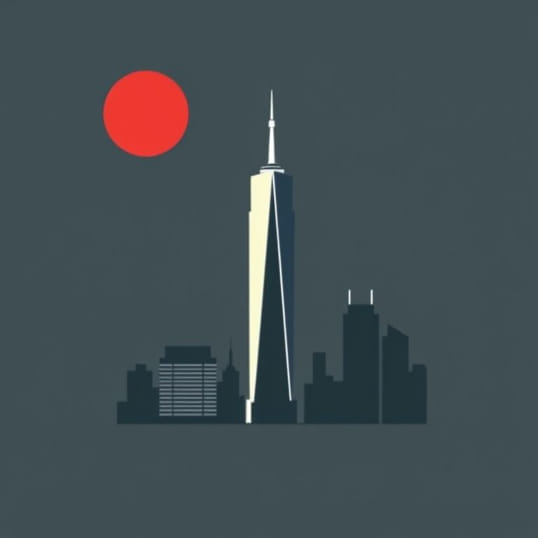
De Chirico New York
When discussing the influence of European art on American culture, the connection between Giorgio de Chirico and New York holds a fascinating place. De Chirico, the Italian painter known as the founder of the Metaphysical art movement, left behind a body of work that resonated deeply with the modernist sensibilities of New York in the twentieth century. His enigmatic cityscapes, mysterious figures, and hauntingly still atmospheres found a new life in the bustling, rapidly developing art scene of New York. Exploring de Chirico in the context of New York reveals not only his personal impact but also how the city absorbed and transformed his metaphysical visions into something uniquely its own.
De Chirico’s Artistic Vision
De Chirico was best known for his metaphysical paintings, which emerged in the early 1910s. His work often featured empty piazzas, elongated shadows, classical statues, and surreal juxtapositions that conveyed a sense of timeless mystery. Unlike movements such as Cubism or Impressionism, which focused on formal experimentation, de Chirico’s art tapped into atmosphere, memory, and the psychological dimension of urban space. This focus would later inspire generations of artists, including many in New York who sought to push the boundaries of representation and meaning.
Metaphysical Aesthetics
The hallmark of de Chirico’s art lies in its paradoxical combination of clarity and ambiguity. Objects are depicted with precise outlines and solid forms, yet they exist in spaces that feel dreamlike, unsettled, and strange. The architecture he painted often resembled Italian squares, but their emptiness created unease. These qualities gave his work a haunting, theatrical quality that resonated with surrealist and modernist currents worldwide.
De Chirico and the New York Art Scene
New York became a cultural hub for modern art in the early to mid-twentieth century. As artists fled Europe during World War II, the city rapidly emerged as the new center of avant-garde thought. In this climate, de Chirico’s work gained recognition for its originality and philosophical depth. His paintings were shown in exhibitions across New York, sparking conversations among critics, collectors, and young artists eager for new sources of inspiration.
Influence on American Artists
Several prominent American artists drew inspiration from de Chirico’s metaphysical approach. For instance, painters associated with the Surrealist and Abstract Expressionist movements often cited his dreamlike urban settings as a key influence. His manipulation of space and shadow would inspire experiments in creating psychological landscapes, both on canvas and in other media such as photography and film.
Collector and Gallery Support
New York galleries played an important role in introducing de Chirico to American audiences. Collectors, fascinated by the mysterious and philosophical nature of his art, began acquiring his paintings. This support helped cement his reputation beyond Europe and ensured that his works would become part of important museum collections in the United States.
Thematic Connections Between De Chirico and New York
Though de Chirico never directly painted New York in the same way he depicted Italian plazas, many of his themes connected naturally with the city’s atmosphere. The clash between tradition and modernity, the loneliness of urban spaces, and the monumental scale of architecture are all elements present in both his art and New York’s identity.
Urban Mystery
New York is often described as a city of energy and constant motion, yet within its skyscrapers and wide streets, there are also moments of solitude and anonymity. De Chirico’s empty squares and shadowed corners capture this paradox perfectly. His art can be seen as an imaginative reflection of the hidden moods of New York’s urban landscape.
Timelessness and Memory
Another parallel lies in de Chirico’s exploration of timelessness. New York, despite being a symbol of progress, is layered with history and memory. The collision of old and new buildings mirrors the metaphysical quality of de Chirico’s paintings, where classical statues stand alongside modern trains or towers. His art resonates with the way New York embodies both the past and the future at once.
Exhibitions in New York
Over the decades, numerous exhibitions in New York have showcased de Chirico’s works. These exhibitions have highlighted not only his early metaphysical paintings but also his later works, which included classical and mythological themes. By bringing these paintings to New York audiences, museums and galleries helped contextualize de Chirico’s influence within global modernism.
Critical Reception
Critics in New York responded with both admiration and debate. Some praised his originality and mysterious vision, while others questioned his shifts in style later in life. Nevertheless, his presence in the New York art world sparked essential discussions about the meaning of modernism, the role of tradition in contemporary art, and the power of visual symbolism.
Legacy of De Chirico in New York
De Chirico’s connection to New York is not only about exhibitions or direct influence but also about his enduring legacy. His exploration of metaphysical space continues to echo in contemporary art practices within the city. Installations, architectural photography, and even urban design in New York show traces of his vision of space as something layered with psychological depth.
Impact on Surrealism and Beyond
De Chirico’s work directly influenced Surrealist artists such as Salvador Dalà and René Magritte, both of whom gained significant attention in New York exhibitions. Through them, his ideas indirectly shaped the trajectory of American modernism. Abstract Expressionists and later conceptual artists also absorbed aspects of his metaphysical vision, applying them to their exploration of space, perception, and meaning.
Modern Interpretations
Today, de Chirico’s connection to New York continues to inspire reinterpretations. Contemporary artists and curators often revisit his metaphysical paintings to draw parallels with modern urban life. In a city where architecture looms large and personal identity can feel both celebrated and lost, his art provides a lens to reflect on the human experience within vast urban landscapes.
Parallels with New York Architecture
The city’s skyline, filled with geometric structures and deep shadowed alleys, often resembles the theatrical settings of de Chirico’s paintings. The play of light and shadow on New York’s buildings at sunset recalls the elongated shadows that define his canvases. This visual similarity keeps his influence alive in how people interpret the city’s aesthetic character.
The story of de Chirico and New York is one of mutual resonance. While de Chirico himself emerged from European traditions, his metaphysical vision found fertile ground in the cultural landscape of New York. The city embraced his haunting imagery, integrated his ideas into its evolving modernist identity, and carried his influence into future generations of art. By exploring de Chirico in the context of New York, we see not only the impact of one artist but also the dynamic conversation between European modernism and American creativity. His work continues to echo in the streets, galleries, and artistic imagination of the city, reminding us of the timeless dialogue between art and place.