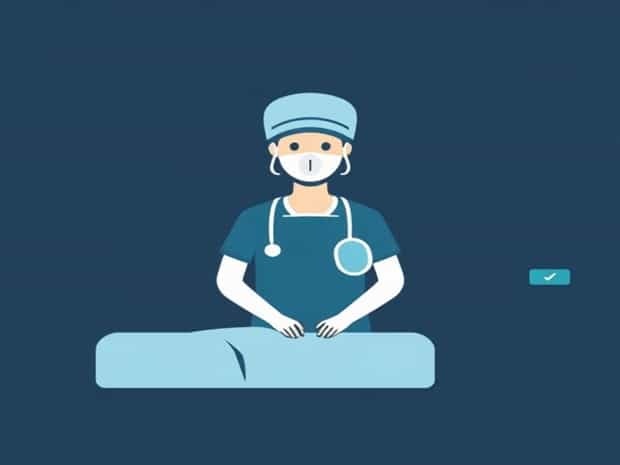
Day In The Life Of A Nurse Anesthetist
Being a nurse anesthetist is a demanding yet rewarding profession that combines advanced nursing skills with specialized knowledge in anesthesia. Nurse anesthetists, also known as Certified Registered Nurse Anesthetists (CRNAs), play a crucial role in patient care before, during, and after surgical procedures. Their days are structured around precision, vigilance, and collaboration with surgeons, anesthesiologists, and other healthcare professionals. Understanding a day in the life of a nurse anesthetist provides insight into the responsibilities, challenges, and rewards associated with this vital healthcare role.
Morning Preparations and Preoperative Duties
The day of a nurse anesthetist typically begins early, often before the first surgeries are scheduled. Mornings are dedicated to preparing for the day’s cases, reviewing patient charts, and coordinating with the surgical team. This preparation involves assessing each patient’s medical history, allergies, current medications, and any previous anesthesia experiences. The nurse anesthetist must identify potential risks and develop an anesthesia plan tailored to each patient.
Patient Assessment
Preoperative assessment is critical. The nurse anesthetist performs thorough evaluations to ensure the patient is fit for anesthesia. This includes
- Reviewing vital signs and laboratory results
- Assessing airway and respiratory function
- Discussing anesthesia options and obtaining informed consent
- Addressing patient concerns or anxieties
This stage requires excellent communication skills and empathy, as the nurse anesthetist must reassure patients while conveying important information about the procedure.
Administering Anesthesia
Once the patient is prepared, the nurse anesthetist administers anesthesia according to the planned protocol. This can range from local and regional anesthesia to general anesthesia, depending on the type of surgery. Administering anesthesia involves precision, careful monitoring, and the ability to respond quickly to changes in the patient’s condition.
Monitoring During Surgery
During surgery, the nurse anesthetist continuously monitors the patient’s vital signs, including heart rate, blood pressure, oxygen saturation, and respiratory rate. Adjustments to anesthesia levels may be required to maintain patient safety and comfort. The nurse anesthetist must be ready to respond to any complications, such as changes in blood pressure or allergic reactions to medications.
Collaboration with the Surgical Team
A nurse anesthetist works closely with surgeons, anesthesiologists, and operating room nurses to ensure smooth surgical procedures. Effective communication is essential to anticipate changes, coordinate care, and respond to emergencies. This collaborative approach enhances patient safety and promotes efficient surgical operations.
Postoperative Care
After surgery, the nurse anesthetist is responsible for monitoring the patient as they recover from anesthesia. This phase is crucial for ensuring a safe and comfortable transition from sedation to consciousness. Postoperative duties include
- Assessing pain levels and administering appropriate analgesics
- Monitoring vital signs for stability
- Watching for adverse reactions or complications
- Providing patient education on recovery and medication instructions
Attention to detail and vigilance during this stage is critical, as complications can arise unexpectedly even after a successful surgery.
Administrative and Documentation Responsibilities
Beyond direct patient care, nurse anesthetists spend part of their day completing administrative tasks and documentation. Accurate records are essential for legal compliance, patient safety, and communication among healthcare professionals. Documentation includes recording anesthesia procedures, medication dosages, patient responses, and any intraoperative events. Maintaining thorough and accurate records ensures continuity of care and supports professional accountability.
Continuing Education and Professional Development
Many nurse anesthetists dedicate time to continuing education and professional development. Staying updated on the latest anesthesia techniques, medications, and safety protocols is essential for providing high-quality care. Professional development may include attending conferences, participating in workshops, or completing certification renewals. This ongoing learning is critical in a field where precision and up-to-date knowledge can directly impact patient outcomes.
Challenges and Rewards of the Profession
Being a nurse anesthetist comes with significant challenges. The work is physically and mentally demanding, requiring long hours, acute attention to detail, and the ability to handle high-pressure situations. The responsibility for patient safety during surgery can be intense, and nurse anesthetists must remain alert and decisive throughout procedures. However, the profession also offers substantial rewards, including the satisfaction of making a tangible difference in patients’ lives, a high level of autonomy, and strong career prospects in the healthcare industry.
Personal Skills Required
Several personal qualities are essential for a successful nurse anesthetist
- Strong critical thinking and decision-making skills
- Excellent communication and interpersonal abilities
- Attention to detail and precision
- Empathy and patient-centered care approach
- Ability to remain calm under pressure
Work-Life Balance and Career Opportunities
The demanding nature of the role can impact work-life balance, with shifts that include early mornings, nights, weekends, and on-call hours. Despite these challenges, nurse anesthetists often find satisfaction in the flexibility of scheduling options and the ability to work in a variety of settings, including hospitals, surgical centers, and outpatient clinics. Career opportunities are strong, with the field offering competitive salaries and pathways for specialization and leadership roles.
A day in the life of a nurse anesthetist is characterized by a combination of technical expertise, patient care, and collaboration. From preoperative assessments and anesthesia administration to postoperative monitoring and documentation, the role demands focus, skill, and compassion. Despite the challenges, nurse anesthetists experience the profound reward of impacting patients’ lives and contributing significantly to the healthcare system. Their work requires continuous learning, adaptability, and dedication, making it one of the most respected and vital professions in modern medicine.