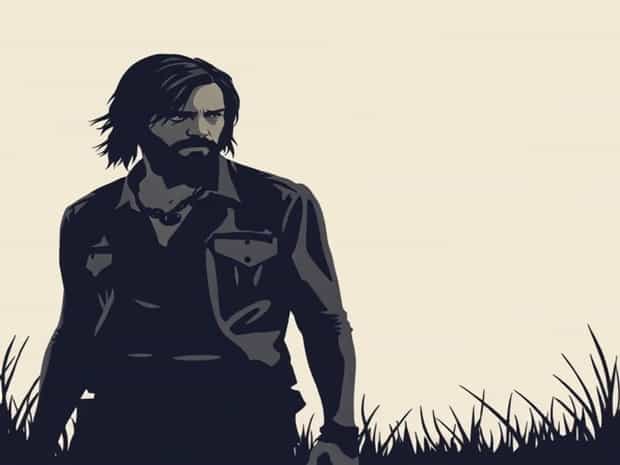
Daryl Dixon Walking Dead
Daryl Dixon is one of the most compelling and enduring characters in the universe of The Walking Dead,” captivating audiences with his rugged survival skills, complex personality, and unwavering loyalty. Introduced early in the series, Daryl has grown from a misunderstood outsider into a central figure whose journey embodies resilience, courage, and personal transformation. Over multiple seasons, his experiences have not only defined his character but also shaped the narrative of the show, making him a fan favorite and a symbol of the human struggle to maintain morality and hope in a post-apocalyptic world.
Introduction to Daryl Dixon
Daryl Dixon, portrayed by actor Norman Reedus, is known for his crossbow skills, resourcefulness, and quiet yet intense demeanor. Unlike many characters in “The Walking Dead,” Daryl’s backstory is unique because it was created specifically for the television adaptation, making him a character that audiences have come to know exclusively through the series. His initial portrayal as a troubled, often aggressive loner quickly evolves, revealing layers of loyalty, empathy, and emotional depth that endear him to fans worldwide.
Early Life and Character Development
Daryl’s early life, as revealed through various flashbacks and story arcs, was marked by hardship and neglect. He grew up in a challenging environment, facing family struggles that shaped his survivalist instincts and cautious nature. Initially, Daryl struggles with trust and emotional expression, but his experiences with the main group of survivors gradually help him build connections and demonstrate his capacity for loyalty, courage, and moral judgment. This transformation from a loner into a dependable and integral member of the community is one of the most compelling character arcs in the series.
Skills and Survival Abilities
Daryl Dixon’s survival skills are central to his identity and the role he plays in “The Walking Dead.” He is highly skilled with a crossbow, making him an invaluable protector of the group during zombie attacks and hostile encounters with other survivors. In addition to his marksmanship, Daryl possesses exceptional tracking, hunting, and tactical skills that often determine the group’s safety. His ability to navigate the post-apocalyptic world, adapt to rapidly changing circumstances, and make split-second decisions highlights his resilience and resourcefulness.
Relationships and Loyalty
Daryl’s relationships with other characters, particularly Rick Grimes, Carol Peletier, and Beth Greene, reveal his deep loyalty and capacity for emotional growth. His friendship with Rick serves as a cornerstone of the series, marked by mutual respect and trust, while his bond with Carol demonstrates his protective instincts and willingness to sacrifice for others. Daryl’s relationship with Beth highlights his ability to form meaningful connections even in a world dominated by loss and danger. These relationships underscore his growth from a solitary figure to a character who deeply values community and personal bonds.
Memorable Story Arcs
Daryl Dixon has been central to some of the most memorable and emotional story arcs in “The Walking Dead.” Key moments include
- His role in the prison storyline, where he evolves from a lone wolf into a key defender of the community.
- The hunt for Merle Dixon, his brother, which explores themes of family loyalty and forgiveness.
- His relationship with Carol and the moral dilemmas they face, showcasing his ethical growth and resilience.
- Episodes that test his leadership skills and decision-making under pressure, highlighting his evolution into a strategic thinker.
Personality and Traits
Daryl Dixon’s personality is a mix of toughness, vulnerability, and loyalty. He often appears gruff, taciturn, and wary of strangers, but these traits conceal a deeply empathetic and morally grounded individual. Daryl’s sense of justice, protective nature, and willingness to act selflessly distinguish him from other survivors. He embodies a blend of rugged individualism and deep emotional intelligence, making him relatable to audiences who appreciate characters with both strength and depth.
Impact on Popular Culture
Daryl Dixon has become a cultural icon beyond the series itself. Fans celebrate his character through fan art, cosplay, and social media discussions. His crossbow has become a symbol of his identity, and Norman Reedus’s portrayal has earned critical acclaim for bringing authenticity and emotional nuance to the role. Daryl’s popularity has also influenced spin-offs, merchandise, and expanded media, cementing his place as one of “The Walking Dead’s” most enduring and influential figures.
Lessons from Daryl Dixon
Daryl Dixon’s journey offers numerous lessons for audiences. His growth demonstrates that personal trauma and hardship can be transformed into strength, empathy, and resilience. His loyalty to friends and community highlights the importance of trust, collaboration, and protecting those who cannot protect themselves. Additionally, Daryl’s willingness to confront moral dilemmas and make difficult decisions underscores the complexity of human behavior in extreme circumstances. Audiences are inspired by his perseverance, courage, and ability to maintain humanity in a world that often seems devoid of it.
Daryl Dixon stands out as a central figure in “The Walking Dead” due to his survival skills, emotional depth, and enduring loyalty. His transformation from a troubled outsider to a trusted, courageous, and morally grounded leader resonates with viewers, making him one of the most beloved characters in the series. Through his memorable story arcs, complex relationships, and iconic presence, Daryl exemplifies the resilience and adaptability required to survive in a post-apocalyptic world. His journey continues to captivate audiences, offering a compelling mix of action, emotion, and human drama that ensures his legacy within the series and popular culture.
- Introduction to Daryl Dixon as a central figure in “The Walking Dead.”
- Early life, character development, and emotional growth.
- Survival skills, tactical abilities, and crossbow expertise.
- Key relationships and loyalty to other characters.
- Memorable story arcs and defining moments.
- Personality traits and their appeal to audiences.
- Cultural impact and influence on fans and media.
- Lessons and inspiration derived from his character journey.
“