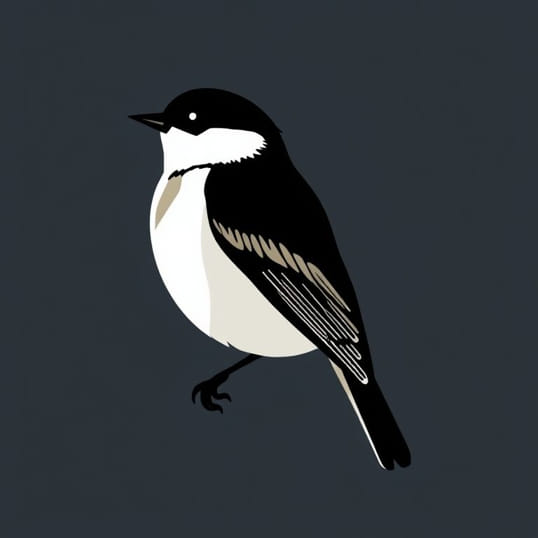
Dark Eyed Junco Female
The dark eyed junco female is a small bird often seen flitting across backyards, woodlands, and gardens, especially during the cooler months. While many people recognize the species as a whole, fewer take the time to notice the subtle but important differences between the male and female birds. The female has her own charm, with softer coloring and behaviors that are fascinating to observe. By learning more about the dark eyed junco female, birdwatchers and nature enthusiasts can better appreciate the delicate balance of appearance, survival, and seasonal habits that make this bird such a remarkable part of North America’s wildlife.
Appearance of the Dark Eyed Junco Female
Unlike the darker and more striking male, the dark eyed junco female is more muted in her coloring. She usually shows brownish-gray tones on her back and lighter shades on her underparts. This difference in coloration serves a purpose, offering better camouflage when nesting on the ground among leaves and twigs. Her plumage often appears slightly washed-out compared to the male’s sharp slate-gray, but it provides protection in the wild.
Key Features
- Soft brown or gray back feathers
- Pale gray or off-white belly
- Distinctive white outer tail feathers visible in flight
- Dark eyes that stand out against lighter facial tones
Behavior and Habits
The dark eyed junco female shares many behaviors with the male, but she also demonstrates unique traits, particularly during the breeding season. She tends to be less aggressive in defending feeding areas compared to males, but she shows strong determination when protecting her nest. Observers often notice her quieter demeanor, although she communicates with soft calls to maintain contact with her mate or offspring.
Feeding Habits
The dark eyed junco female feeds mainly on seeds, particularly during winter months when insects are scarce. She is often seen foraging on the ground, scratching the leaf litter with quick hops. In spring and summer, she adds insects to her diet, which provides essential protein for raising chicks. Bird feeders filled with millet or sunflower seeds often attract her, especially when snow covers natural food sources.
Social Behavior
These birds are social, often gathering in flocks during the non-breeding season. However, females may remain closer to the ground while males perch higher in trees to keep watch. During the breeding season, the female takes on more solitary tasks, focusing on nesting and raising her young rather than flock behavior.
Nesting and Breeding
The nesting behavior of the dark eyed junco female is one of her most distinctive roles. She is the primary builder of the nest, usually creating it on the ground or in low shrubs. Using twigs, grass, moss, and leaves, she constructs a well-hidden cup-shaped nest that blends into the surroundings. The male may help by bringing materials, but the female is the main architect.
Eggs and Incubation
The dark eyed junco female typically lays 3 to 5 eggs, which are pale with speckled markings. She alone incubates the eggs, sitting quietly and blending into the environment. The incubation period usually lasts about 12 to 13 days. During this time, the male provides food to support her, although she occasionally leaves the nest to feed.
Raising the Young
Once the chicks hatch, both parents participate in feeding them. However, the female often takes on more responsibility in brooding the young, keeping them warm and safe in the early days. After about two weeks, the fledglings are ready to leave the nest, though they may continue receiving food from their parents for a short time afterward.
Seasonal Movements
Dark eyed juncos are well known for their seasonal migrations. Many people notice the arrival of flocks in winter, earning them the nickname snowbirds. The females, like the males, migrate southward in colder months but may not travel as far. This partial migration pattern means that some dark eyed junco females may stay in northern areas if food remains available, while others move to warmer regions.
Differences Between Male and Female
For birdwatchers, distinguishing the dark eyed junco female from the male is an interesting challenge. The following are some of the most noticeable differences
- Males are darker, often slate-gray or blackish, while females have softer brown tones.
- Females generally appear less vibrant, which helps with camouflage during nesting.
- Males tend to sing more frequently and aggressively, especially during mating season.
- Females focus on nest building and incubation duties, playing a central role in reproduction.
Role in the Ecosystem
The dark eyed junco female plays an important role in maintaining healthy bird populations. By nesting on the ground, she contributes to biodiversity in forest undergrowth and open habitats. Her feeding habits also help control insect populations during summer and spread plant seeds during winter. As prey, she is part of the food chain, supporting larger birds and mammals in her environment.
Attracting Dark Eyed Junco Females to Your Yard
Bird enthusiasts who want to attract the dark eyed junco female can do so by providing a safe and welcoming environment. Since these birds are ground feeders, spreading seeds on low trays or directly on the ground often brings them closer. Offering a mix of millet, sunflower chips, and cracked corn is effective. Providing cover such as shrubs or brush piles also encourages them to visit, as they prefer sheltered areas where they feel safe from predators.
Conservation Status
The dark eyed junco, including the female, is currently abundant and widespread across North America. Their population is stable, and they adapt well to different environments, including forests, fields, and residential areas. However, like many bird species, they face threats from habitat loss, climate change, and window collisions. Supporting local conservation efforts and maintaining bird-friendly yards can help ensure that these charming birds continue to thrive.
Interesting Facts
- The female’s muted colors are not just for beauty but provide effective camouflage during nesting.
- Dark eyed juncos are among the most common backyard birds in North America, especially in winter.
- Their scientific name isJunco hyemalis, with hyemalis meaning of the winter.
- Females are just as adaptable as males, thriving in both forests and suburban gardens.
The dark eyed junco female may not be as brightly colored as her male counterpart, but she plays an equally important role in the life cycle of this species. Her subtle plumage, careful nesting behavior, and quiet strength make her a fascinating subject for birdwatchers and nature lovers. By observing her closely, one can learn much about survival strategies, seasonal rhythms, and the beauty of understated details in the natural world. Appreciating the dark eyed junco female reminds us that every creature, no matter how small or subtle, contributes to the balance and wonder of our ecosystems.