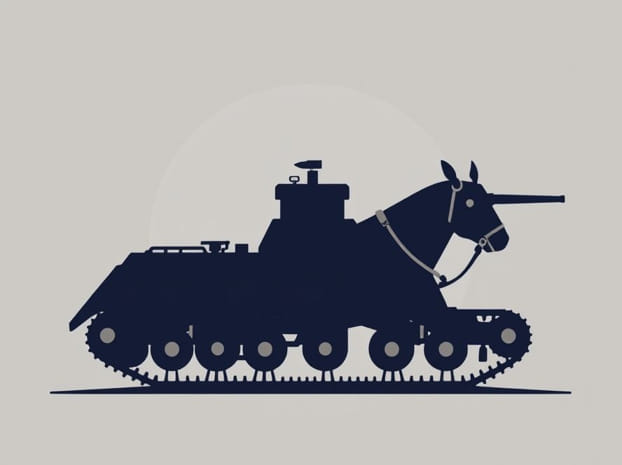
D Sqn Royal Yeomanry
D Squadron Royal Yeomanry is one of the key sub-units within the Royal Yeomanry, a British Army Reserve regiment with a long and proud tradition. Known for its specialized reconnaissance role, the squadron plays a vital part in supporting the operational readiness of the Army, both in the United Kingdom and abroad. The Royal Yeomanry itself is deeply rooted in the history of the British Army, and D Squadron stands out as an example of how modern reserve forces combine heritage with contemporary military capability. For anyone interested in the structure, history, and current function of the unit, understanding D Sqn Royal Yeomanry provides an insightful view into the broader role of the Army Reserve.
Historical Background of the Royal Yeomanry
The Royal Yeomanry was formed in 1967 from several yeomanry regiments, many of which dated back to the late 18th and 19th centuries. Traditionally, yeomanry units were composed of volunteers from rural areas who provided a cavalry reserve force. Over time, these regiments evolved into modern reserve formations, adapting to the technological and strategic needs of the British Army. The Royal Yeomanry has served in various operational theatres, including the Balkans, Iraq, and Afghanistan, often providing reconnaissance and armored support.
The Role of D Squadron Royal Yeomanry
D Squadron Royal Yeomanry, like the regiment as a whole, is tasked with light armored reconnaissance. This role requires speed, agility, and the ability to operate independently or in support of regular army units. Reconnaissance units are often the eyes and ears of the battlefield, gathering intelligence and relaying information back to commanders to help shape operational decisions. D Squadron contributes to this mission by training its personnel in modern surveillance techniques, armored vehicle operations, and communications technology.
Specialized Reconnaissance Capabilities
The squadron is equipped with vehicles and systems designed for stealth, mobility, and intelligence gathering. Light armored vehicles allow D Squadron to cover ground quickly, while advanced optics and communications enable effective reconnaissance. The training focuses not only on vehicle operations but also on dismounted patrols, where soldiers conduct reconnaissance on foot to access areas where vehicles cannot operate.
Training in D Squadron
Members of D Sqn Royal Yeomanry undergo rigorous training to prepare for their reconnaissance role. Training takes place during regular drill nights, weekend exercises, and annual camps, combining theory with practical field experience. The aim is to ensure that reservists can integrate seamlessly with regular army units when deployed.
- Reconnaissance SkillsLearning how to observe, report, and analyze information about enemy forces and terrain.
- Armored Vehicle TrainingOperating and maintaining light armored reconnaissance vehicles under varied conditions.
- Weapons ProficiencyGaining skills in small arms and support weapons for defense and combat situations.
- FieldcraftTraining in camouflage, concealment, and survival techniques essential for reconnaissance missions.
These skills are constantly refreshed and updated to align with modern warfare requirements. Reservists are expected to meet the same professional standards as their regular counterparts, even while balancing civilian careers and family life.
Operational Deployments
Like other squadrons of the Royal Yeomanry, D Squadron has contributed to overseas operations in support of the British Army. Its personnel have been deployed in missions ranging from peacekeeping to combat support. In Iraq and Afghanistan, for example, Royal Yeomanry soldiers assisted in reconnaissance and force protection tasks, demonstrating the value of reserve units in active combat zones. Such deployments highlight how D Squadron plays a real-world role beyond training exercises at home.
Connection to the Local Community
As a reserve unit, D Squadron Royal Yeomanry maintains strong ties with the local community. Many of its members are civilians who live and work in the region, bringing diverse skills and backgrounds to their military roles. This close connection fosters a sense of pride and service, while also strengthening public understanding of the Army Reserve. Community engagement activities, such as parades, recruitment events, and remembrance services, reinforce the bond between the squadron and the public.
Life as a Reservist in D Squadron
Serving in D Sqn Royal Yeomanry offers a unique balance between civilian life and military commitment. Reservists train part-time, often during evenings and weekends, while still pursuing careers in fields such as business, engineering, education, and healthcare. This dual commitment brings challenges but also offers valuable rewards, including personal development, leadership skills, and the pride of serving in the armed forces.
Benefits of Serving
Members of the squadron gain access to specialized training, opportunities for overseas deployment, and a chance to develop transferable skills. Many reservists find that their military experience enhances their civilian careers, particularly in areas like teamwork, resilience, and leadership. In return, they bring diverse perspectives and professional expertise back to the squadron, enriching its overall capability.
Equipment and Modernization
The Royal Yeomanry, including D Squadron, operates modern reconnaissance vehicles and communication systems. Light armored platforms provide mobility and protection, while digital communication systems ensure effective coordination with other units. Continuous modernization is key to keeping the squadron relevant in modern warfare, where reconnaissance is increasingly tied to advanced technology such as drones, sensors, and real-time data analysis.
Relationship with Regular Army Units
D Squadron does not operate in isolation; it works closely with regular army formations, particularly those within the Royal Armoured Corps. This cooperation ensures that when deployed, reservists can integrate smoothly into larger military operations. Joint exercises are regularly conducted to build interoperability, ensuring that the squadron remains a credible force multiplier.
Heritage and Identity
While focused on modern operations, D Squadron also preserves the traditions of the yeomanry. Its history connects it to centuries of service in the British Army, and this heritage fosters a strong sense of identity and pride among its members. Uniforms, insignia, and ceremonial events all reflect this connection to the past, blending historical tradition with modern professionalism.
Challenges Facing the Squadron
Like many reserve units, D Squadron faces challenges related to recruitment, retention, and balancing civilian commitments with military duties. Training part-time while maintaining readiness for deployment requires dedication from both soldiers and their families. Additionally, the squadron must continually adapt to new military technologies and changing operational requirements. Despite these challenges, D Squadron remains a respected and effective component of the Army Reserve.
Future Prospects
Looking ahead, the role of D Squadron Royal Yeomanry will likely expand as the British Army continues to rely on reserves to meet global commitments. With ongoing modernization efforts and increasing reliance on reconnaissance, the squadron’s importance is set to grow. The integration of new technologies, combined with the professionalism of its personnel, ensures that D Squadron will remain a vital part of the Royal Yeomanry for years to come.
D Squadron Royal Yeomanry embodies the balance of tradition and modern capability within the British Army Reserve. As a reconnaissance unit, it plays a vital role in intelligence gathering, supporting regular army formations, and maintaining operational readiness. With strong community ties, dedicated reservists, and a proud history, D Squadron continues to serve as a testament to the adaptability and resilience of the yeomanry. Its ongoing contribution to defense, both at home and abroad, highlights the enduring value of reserve forces in today’s complex military landscape.