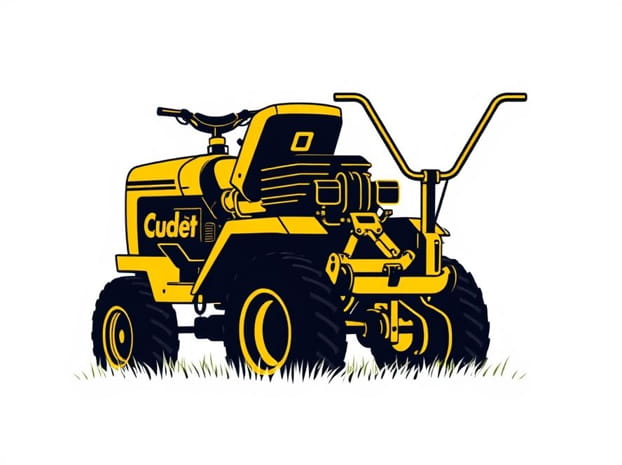
Cub Cadet Rear Tine Tiller
For gardening enthusiasts and homeowners with sizable plots, preparing the soil efficiently is a key step in achieving a productive garden. A Cub Cadet rear tine tiller is an essential tool that provides power, precision, and ease of use for breaking up compacted soil, aerating the ground, and preparing planting beds. Designed for both residential and semi-professional use, this equipment combines durability with performance, making it a preferred choice among gardeners who want to reduce manual labor while achieving professional-level results in their soil preparation tasks.
Overview of Cub Cadet Rear Tine Tillers
The Cub Cadet rear tine tiller is engineered to handle heavy-duty soil preparation tasks. Unlike front tine tillers, the rear tine design places the tines behind the engine, allowing the operator to walk forward while the tines break up soil efficiently. This configuration provides greater control and stability, especially in larger gardens or plots with tough soil. Many models also feature adjustable tine widths and depths, allowing customization based on soil conditions and the specific gardening task.
Key Features
- Engine PowerRear tine tillers typically feature powerful engines ranging from 208cc to 270cc, providing enough torque to break compacted soil.
- Tine DesignThe rear-mounted tines dig deep into the soil for thorough cultivation, which is especially effective for hard, clay-heavy, or rocky soil.
- Adjustable Width and DepthMany models allow the operator to adjust tilling width and depth, providing flexibility for different types of crops or garden beds.
- DurabilityCub Cadet tillers are built with reinforced frames and durable tines, designed to withstand frequent use over multiple seasons.
Benefits of Using a Rear Tine Tiller
Rear tine tillers provide several advantages over other soil cultivation methods. They save time and reduce physical strain, which is particularly beneficial for larger gardens or farms.
Efficient Soil Preparation
Rear tine tillers can quickly break up compacted soil, mix in compost or fertilizers, and prepare the ground for planting. The tines rotate in a way that thoroughly cultivates the soil, improving aeration and drainage, which promotes healthy root growth for plants.
Ease of Operation
Unlike front tine models, which require pushing the tiller forward into the soil, rear tine tillers allow the operator to walk behind, making it easier to control. This design reduces fatigue, particularly when working for extended periods in large plots. Many models include features such as counter-rotating tines, forward and reverse gears, and ergonomic handles to enhance user comfort.
Versatility
Cub Cadet rear tine tillers are versatile tools that can handle various gardening tasks. From preparing new garden beds to aerating existing soil, incorporating compost, or even tilling in difficult soil conditions, these tillers provide consistent performance. Adjustable tilling widths and depths make it easy to switch between tasks without changing equipment.
Choosing the Right Cub Cadet Rear Tine Tiller
Selecting the appropriate model depends on the size of your garden, soil type, and intended use. Different models vary in engine size, tilling width, tine design, and additional features.
Engine Size
For small to medium gardens, a tiller with a 208cc engine may suffice, offering enough power for standard soil conditions. For larger plots or tougher soil, models with engines around 270cc provide extra torque, ensuring that compacted or clay-heavy soil is efficiently broken up.
Tine Configuration
The tine design determines how effectively the soil is broken up. Counter-rotating tines provide better stability and prevent the tiller from wandering. Some models also include removable or adjustable tines for added versatility.
Additional Features
- Electric StartConvenient for starting the engine quickly, especially in cold weather.
- Adjustable HandlesEnhances operator comfort and reduces fatigue.
- Forward and Reverse GearsImproves maneuverability and allows precise control over soil cultivation.
- Transport WheelsMakes it easier to move the tiller when not in use.
Maintenance Tips for Longevity
Proper maintenance is essential to maximize the life and performance of a Cub Cadet rear tine tiller. Regular maintenance tasks include cleaning, lubrication, and checking for wear on tines and belts. Ensuring the engine oil is changed regularly and inspecting spark plugs and air filters helps maintain reliable performance season after season.
Cleaning
After each use, remove dirt, debris, and plant material from the tines and engine area. This prevents corrosion and ensures smooth operation for future use.
Lubrication
Keep moving parts such as tine shafts and wheel bearings properly lubricated. This reduces friction, wear, and potential damage during use.
Inspecting Tines and Belts
Regularly check tines for wear or bending, and replace them if necessary. Inspect drive belts for cracks or fraying and replace as needed to prevent breakdowns.
Safety Considerations
Operating a rear tine tiller requires caution. Always wear protective gear including gloves, safety glasses, and closed-toe shoes. Avoid loose clothing that could get caught in moving parts. Be aware of underground utilities or rocks that could damage the tiller or cause injury. Ensuring the area is clear before starting the tiller helps prevent accidents and protects both the operator and the equipment.
The Cub Cadet rear tine tiller is a powerful, reliable, and versatile tool for gardeners seeking efficient soil preparation. Its rear tine design provides superior control and reduces operator fatigue, making it ideal for both small and large gardens. By understanding the features, benefits, and maintenance requirements, homeowners can select the right model to suit their specific gardening needs. With proper care, a Cub Cadet rear tine tiller can deliver years of dependable performance, making it an essential addition to any serious gardener’s toolkit. Investing in this equipment enhances soil quality, saves time, and ensures a healthier, more productive garden, whether cultivating flower beds, vegetable gardens, or larger landscape areas.