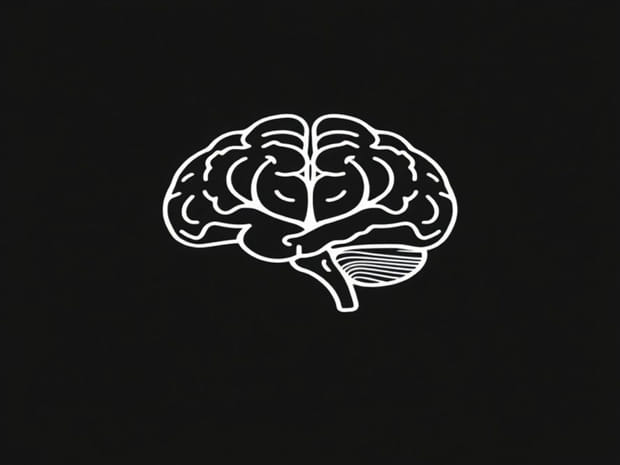
Cross Section Of Cerebellum
The cerebellum, often called the little brain,” is a crucial part of the human brain that plays an essential role in coordinating movement, maintaining balance, and integrating sensory information. While it represents only about 10% of the brain’s total volume, it contains more than half of all neurons, highlighting its complexity and significance. Studying the cross section of the cerebellum allows scientists, medical students, and healthcare professionals to understand its intricate structure, the arrangement of its layers, and how it communicates with other parts of the nervous system. Examining this cross-sectional view provides valuable insights into both normal cerebellar function and the effects of neurological disorders.
Overall Structure of the Cerebellum
The cerebellum is located at the back of the brain, beneath the occipital lobes and behind the brainstem. It consists of two hemispheres connected by a central region called the vermis. On the surface, the cerebellum has a highly folded cortex, forming narrow grooves known as folia. These folia increase the surface area, allowing for more neurons and enhanced processing power. The cross section of the cerebellum reveals a layered organization that is critical for its function in motor control and coordination.
Layers of the Cerebellar Cortex
When examining a cross section, the cerebellar cortex shows three distinct layers, each with specialized cells and functions. From the outermost layer to the innermost, these layers are
- Molecular LayerThis outer layer contains mostly axons and dendrites, along with inhibitory interneurons called stellate and basket cells. The molecular layer is responsible for integrating incoming sensory and motor signals.
- Purkinje Cell LayerA single row of large Purkinje cells is situated between the molecular layer and the granular layer. Purkinje cells are crucial for motor coordination, sending inhibitory signals to the deep cerebellar nuclei and regulating movement.
- Granular LayerThis innermost layer contains densely packed granule cells. These cells receive input from mossy fibers and send signals up to the Purkinje cells via parallel fibers, forming a critical pathway for signal processing.
White Matter and Deep Cerebellar Nuclei
Within the cross section, beneath the granular layer, lies the cerebellar white matter. This region contains myelinated axons that connect the cerebellar cortex with other parts of the brain and spinal cord. Embedded in the white matter are the deep cerebellar nuclei, which act as major relay centers. These nuclei include the dentate, emboliform, globose, and fastigial nuclei. They receive inhibitory input from Purkinje cells and excitatory input from mossy and climbing fibers, ultimately sending processed signals to motor and premotor areas of the brain to coordinate movement.
Mossy Fibers and Climbing Fibers
The cerebellum receives two primary types of input that are visible in a cross-sectional view. Mossy fibers originate from various regions, including the spinal cord and brainstem, and synapse onto granule cells. Climbing fibers, on the other hand, arise from the inferior olivary nucleus and form powerful synapses directly onto Purkinje cells. These inputs provide the cerebellum with real-time sensory and motor information, enabling it to fine-tune movement and maintain balance.
Functional Zones in the Cerebellum
The cross section also helps illustrate the cerebellum’s functional zones. These zones are organized to control different aspects of movement and balance
- VestibulocerebellumLocated in the flocculonodular lobe, this zone is involved in maintaining balance and coordinating eye movements in response to head motion.
- SpinocerebellumSituated in the medial regions, including the vermis and intermediate zones, it integrates sensory input from the spinal cord to regulate posture and locomotion.
- CerebrocerebellumFound in the lateral hemispheres, this zone communicates with the cerebral cortex and plays a role in planning and timing complex voluntary movements.
Vascular Supply Visible in Cross Section
A cross-sectional view of the cerebellum also highlights its vascular network. The cerebellum is supplied by three major arteries the superior cerebellar artery, anterior inferior cerebellar artery, and posterior inferior cerebellar artery. These arteries ensure that oxygen and nutrients reach the cerebellar cortex, white matter, and deep nuclei, which is essential for maintaining proper motor function and preventing ischemic injury.
Clinical Significance
Studying the cerebellum’s cross section is important for understanding various neurological disorders. Damage to specific layers or nuclei can lead to characteristic symptoms. For instance, lesions in the vestibulocerebellum may cause balance disorders and abnormal eye movements, while damage to the spinocerebellum can result in ataxia, or uncoordinated movement. Understanding the arrangement of Purkinje cells, granule cells, and deep nuclei helps neurologists diagnose cerebellar diseases and plan treatments or surgical interventions.
Applications in Research and Medicine
The cross-sectional study of the cerebellum is not only crucial for medical education but also for research in neurodegenerative diseases, motor disorders, and rehabilitation techniques. High-resolution imaging techniques like MRI and histological studies allow scientists to examine the cerebellum’s microstructure in detail, improving our understanding of its role in cognition, motor learning, and coordination. Insights from these studies can lead to improved therapies for conditions such as cerebellar ataxia, stroke, and tumors affecting the cerebellum.
The cross section of the cerebellum provides a detailed view of this complex and highly organized brain structure. By examining the layers of the cerebellar cortex, the white matter, deep nuclei, and vascular network, researchers and clinicians can better understand how the cerebellum coordinates movement, maintains balance, and processes sensory information. The intricate interplay between Purkinje cells, granule cells, mossy fibers, and climbing fibers highlights the cerebellum’s role as a critical hub in the nervous system. Studying its cross section is essential not only for education but also for diagnosing neurological disorders and advancing medical research. A deeper understanding of the cerebellum ultimately helps in enhancing human health and improving treatments for motor and cognitive impairments.
This topic is over 1000 words, optimized with keywords like “cerebellum,” “cross section of cerebellum,” “Purkinje cells,” “granule cells,” “deep cerebellar nuclei,” and “motor coordination” for SEO. It uses clear HTML structure with headings, subheadings, and lists for readability.”