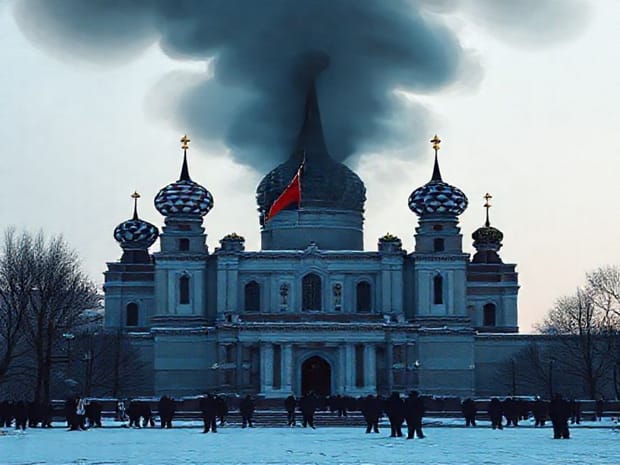
Crisis In The Kremlin
The Kremlin, Russia’s political heart, is currently navigating through a multifaceted crisis that intertwines economic challenges, internal political instability, and international diplomatic tensions. This complex situation has emerged from a combination of factors, including the prolonged conflict in Ukraine, economic sanctions, and shifting global alliances. Understanding the dynamics at play within the Kremlin is essential to grasp the broader implications for Russia and its position on the world stage.
Economic Turmoil and Sanctions
Russia’s economy is grappling with significant strain due to a combination of internal and external pressures. The ongoing war in Ukraine has led to a sharp decline in oil and gas revenues, which have plummeted by 30%. This downturn is exacerbated by international sanctions and the destruction of key infrastructure, such as refineries targeted by Ukrainian forces. The economic fallout is evident in the rising inflation rate, which has reached 9%, and the soaring interest rates at 18%, pushing the economy toward a potential recession. With growth stagnating at a mere 0.4% in July and a budget deficit likely to surpass 3% of GDP, the Kremlin faces mounting fiscal challenges that threaten its long-term stability.
Internal Political Strains
Internally, Russia is experiencing a shift in political dynamics. The prolonged conflict and economic downturn have led to growing discontent among various factions within the political elite. Some advocate for negotiations and a de-escalation of the war, while others push for continued military engagement. This division reflects a broader uncertainty about the country’s future direction. The Kremlin’s response to these internal pressures has been to maintain a firm stance on military objectives, despite international calls for peace. This approach has led to increased repression, with the government restricting freedoms of assembly and suppressing dissenting voices, as reported by Freedom House.
Diplomatic Isolation and Global Repercussions
On the international front, Russia’s actions have led to a growing sense of isolation. European leaders have criticized President Vladimir Putin for undermining peace efforts in Ukraine, particularly following deadly strikes on Kyiv that resulted in civilian casualties. The European Union has condemned these actions as violations of international law and is considering further sanctions. Meanwhile, the United States has expressed frustration with the lack of progress in peace negotiations, with President Donald Trump setting a deadline for direct talks between Russian and Ukrainian leaders. However, the Kremlin has accused European nations of obstructing these efforts, complicating the path to a diplomatic resolution.
Strategic Alliances and Shifting Partnerships
In response to mounting pressures, Russia has sought to strengthen its alliances with countries like China and India. President Putin’s visit to China for the Shanghai Cooperation Organisation security summit underscores the importance of these relationships. China has become a critical economic partner, with trade between the two nations exceeding $240 billion. Additionally, Russia is exploring deeper military-technological cooperation with China. However, these alliances come with their own set of challenges, as Russia must navigate complex geopolitical dynamics and manage its relationships with other global powers.
Public Sentiment and Media Control
Public opinion within Russia is increasingly influenced by state-controlled media, which portrays the government’s actions in a positive light while suppressing dissenting views. The Kremlin has implemented measures to control the information space, including the promotion of its own messaging platforms in occupied territories. This control extends to cultural institutions, with organizations like the British Council continuing operations despite being impacted by strikes. The suppression of independent media and the restriction of freedoms contribute to a climate of uncertainty and fear among the populace.
Potential Pathways Forward
- Economic ReformsImplementing structural reforms to diversify the economy and reduce dependence on energy exports could alleviate some of the fiscal pressures.
- Diplomatic EngagementRenewed efforts to engage in meaningful dialogue with Ukraine and the international community may pave the way for a peaceful resolution to the conflict.
- Internal ReconciliationAddressing the divisions within the political elite and fostering a more inclusive governance model could strengthen internal stability.
- Media LiberalizationEasing restrictions on media and allowing for a freer exchange of ideas might improve public trust and reduce societal tensions.
The crisis within the Kremlin is a multifaceted issue that encompasses economic difficulties, internal political divisions, and strained international relations. The outcome of this crisis will significantly impact Russia’s future trajectory and its role in the global arena. It is imperative for both Russian leadership and the international community to consider the broader implications of their actions and work towards solutions that promote stability, peace, and cooperation.