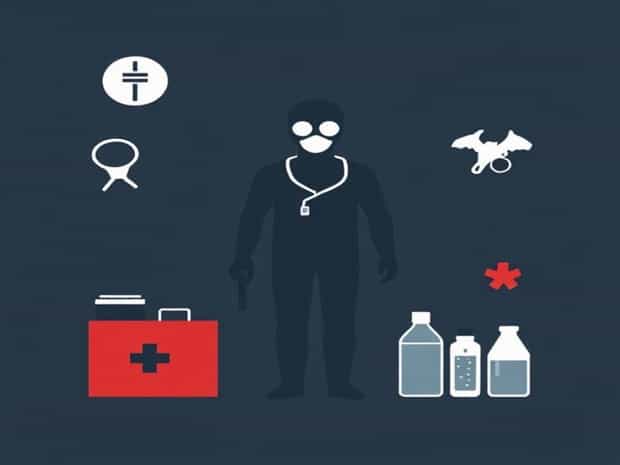
Criminology And Forensic Science
Criminology and forensic science are two interconnected fields that play a crucial role in understanding, investigating, and preventing crime. While criminology focuses on the study of criminal behavior, societal responses, and the reasons behind criminal actions, forensic science applies scientific techniques to gather and analyze evidence that can be used in criminal investigations. Together, these disciplines provide a comprehensive approach to solving crimes, improving justice systems, and enhancing public safety. Understanding both criminology and forensic science is essential for students, law enforcement professionals, and anyone interested in the study of crime and justice.
What is Criminology?
Criminology is the systematic study of crime, criminals, and society’s responses to criminal behavior. It seeks to understand why people commit crimes, the factors that influence criminal activity, and how society can effectively prevent or manage criminal behavior. Criminologists study patterns of crime, sociological influences, psychological traits, and legal frameworks to analyze crime from multiple perspectives. Key areas of focus in criminology include juvenile delinquency, white-collar crime, organized crime, and cybercrime. By examining these aspects, criminology helps policymakers and law enforcement agencies develop strategies to reduce crime and improve social justice.
The Scope of Criminology
The study of criminology covers several areas that allow professionals to gain insights into the causes, effects, and prevention of crime. These include
- Psychological FactorsUnderstanding how mental health, personality traits, and cognitive processes influence criminal behavior.
- Sociological InfluencesExamining how social structures, family, education, and community environment affect crime rates.
- Legal FrameworksStudying laws, regulations, and criminal justice policies that define crime and punishment.
- VictimologyFocusing on the impact of crime on victims and their role in understanding criminal behavior.
- Crime PreventionDeveloping strategies and programs to reduce crime and rehabilitate offenders.
What is Forensic Science?
Forensic science is the application of scientific principles and techniques to investigate crimes. It involves collecting, analyzing, and interpreting physical evidence from crime scenes, which can be used in legal proceedings. Forensic scientists employ a wide range of disciplines, including biology, chemistry, physics, and computer science, to identify evidence, establish connections between suspects and crimes, and provide objective analysis for courts. Forensic science is a vital component of modern criminal investigations, ensuring that evidence is accurate, reliable, and admissible in court.
Key Areas of Forensic Science
Forensic science is diverse and includes several specialized fields
- DNA AnalysisIdentifying individuals through genetic material found at crime scenes.
- Fingerprint AnalysisMatching fingerprints to suspects or victims to establish identity.
- BallisticsStudying firearms, bullets, and trajectories to understand shooting incidents.
- ToxicologyDetecting drugs, alcohol, and poisons in biological samples.
- Trace Evidence AnalysisExamining fibers, hair, paint, and other materials to link people or objects to a crime scene.
- Digital ForensicsInvestigating computers, mobile devices, and digital data for evidence of cybercrime or digital offenses.
The Intersection of Criminology and Forensic Science
Criminology and forensic science complement each other in the field of criminal justice. While criminology provides insight into why crimes occur, forensic science offers the tools to solve crimes through evidence-based investigation. For example, a criminologist may study the behavioral patterns of a serial offender, while a forensic scientist analyzes physical evidence collected from crime scenes to link the offender to the crime. This collaboration enhances the understanding of crime, ensures accurate identification of suspects, and supports the legal process with scientific evidence.
Practical Applications
The combination of criminology and forensic science has numerous practical applications in law enforcement and justice systems
- Crime Scene InvestigationForensic techniques help collect and analyze evidence while criminological knowledge provides context for understanding the crime.
- Profiling CriminalsCriminologists create profiles of potential offenders, which can be supported by forensic findings.
- Preventive StrategiesUnderstanding patterns of criminal behavior enables authorities to develop effective prevention programs.
- Legal ProceedingsForensic evidence is presented in courts to support or challenge testimonies, while criminological insights help interpret motives and circumstances.
- Rehabilitation and Policy DevelopmentInsights from criminology can inform rehabilitation programs, and forensic science ensures evidence-based decision-making in policy creation.
Education and Careers in Criminology and Forensic Science
Both fields offer diverse educational paths and career opportunities. Students interested in criminology can pursue degrees in criminal justice, sociology, or psychology, while those drawn to forensic science may study biology, chemistry, or forensic science specifically. Many universities offer combined programs or electives that integrate both criminology and forensic science, providing a comprehensive understanding of crime and investigation techniques.
Career Opportunities
Graduates in criminology and forensic science can pursue a variety of careers, including
- Forensic ScientistAnalyzing evidence from crime scenes for law enforcement agencies.
- CriminologistResearching crime patterns, evaluating policies, and assisting in crime prevention programs.
- Crime Scene Investigator (CSI)Collecting and documenting evidence at crime scenes.
- Law Enforcement OfficerApplying criminological principles to maintain public safety and investigate crimes.
- Forensic PsychologistAssessing criminal behavior and aiding in offender rehabilitation.
- Legal ConsultantProviding expertise on forensic evidence or criminal behavior in legal cases.
Challenges and Ethical Considerations
Both criminology and forensic science face challenges that require careful ethical consideration. Criminologists must ensure that research does not stigmatize communities or individuals, while forensic scientists must maintain objectivity and accuracy in analyzing evidence. Ethical dilemmas can arise when evidence is mishandled, privacy is violated, or biases influence investigations. Professionals in both fields must adhere to strict ethical standards, maintain professional integrity, and prioritize justice and fairness in their work.
The Future of Criminology and Forensic Science
As technology advances, both criminology and forensic science continue to evolve. Digital forensics, artificial intelligence, and advanced data analytics are transforming crime detection and investigation methods. Criminologists are increasingly using statistical models and behavioral analysis software to predict crime trends, while forensic scientists leverage high-tech laboratory techniques to examine evidence more accurately. The integration of technology with traditional methods promises more efficient, reliable, and ethical approaches to understanding and preventing crime.
Criminology and forensic science are essential components of the modern criminal justice system. Criminology provides the theoretical and sociological understanding of crime, helping society address the causes and consequences of criminal behavior. Forensic science applies scientific techniques to analyze evidence, solve crimes, and support legal proceedings. Together, these fields offer a comprehensive framework for investigating crime, preventing criminal activity, and ensuring justice. With ongoing advancements in technology, education, and research, criminology and forensic science will continue to play a pivotal role in creating safer communities and enhancing the effectiveness of law enforcement and judicial processes.