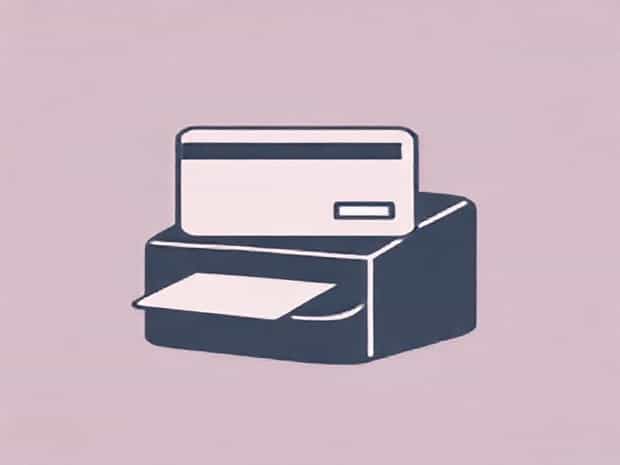
Credit Card Imprinter Machine
The credit card imprinter machine, sometimes called a knuckle-buster,” is a mechanical device that allows merchants to capture a customer’s credit card information without the need for electronic processing. Although technology has advanced significantly with the advent of electronic point-of-sale systems, the credit card imprinter remains an important tool in certain situations where electronic terminals may not be available. Its simplicity, reliability, and durability make it useful for businesses operating in remote locations, during power outages, or in cases where digital systems fail. Understanding how this device works and its applications can help business owners manage transactions efficiently while ensuring secure handling of customer information.
How a Credit Card Imprinter Works
The credit card imprinter functions using a simple mechanical process. The merchant places the customer’s credit card on a flat surface of the machine, slides a carbon paper form over the card, and uses a roller to press down firmly. This process creates an imprint of the credit card details, including the card number, expiration date, and cardholder name, onto the form. The merchant then fills in transaction details such as the purchase amount and date. The resulting carbon copy serves as a record of the transaction, which can later be submitted to the credit card company for processing. This method does not require electricity, internet connectivity, or complex software, which is why it remains valuable in certain situations.
Types of Credit Card Imprinters
Credit card imprinters are available in several styles and models, catering to different business needs
- Manual ImprintersThese are traditional devices that rely entirely on mechanical pressure. They are lightweight, portable, and simple to operate, making them ideal for small businesses and mobile vendors.
- Electronic-Assisted ImprintersSome modern imprinters include minimal electronic features, such as basic transaction logging, to streamline record-keeping while retaining mechanical operation.
- Heavy-Duty ImprintersDesigned for high-volume transactions, these devices are built to withstand frequent use and may include features like secure locking mechanisms for added protection of credit card slips.
Benefits of Using a Credit Card Imprinter
Despite the prevalence of electronic payment systems, credit card imprinters offer several benefits
- ReliabilityThey do not depend on electricity or internet connections, ensuring that transactions can be completed in almost any situation.
- PortabilityMany manual models are compact and easy to transport, making them suitable for mobile vendors, trade shows, or outdoor events.
- DurabilityMechanical devices are often more resistant to wear and damage compared to electronic terminals, providing long-term utility.
- SimplicityNo training or complex setup is required, allowing staff to process payments quickly without technical knowledge.
- Backup SolutionIn case of point-of-sale system failures, credit card imprinters serve as a dependable backup to ensure uninterrupted transaction processing.
Security Considerations
While credit card imprinters are convenient, businesses must implement proper security measures to protect customer information. The physical credit card slips contain sensitive data, making them a target for theft or misuse if not handled correctly. Best practices include
- Storing completed slips in a secure location until they can be processed or shredded.
- Limiting access to the slips to authorized personnel only.
- Regularly auditing transaction records to detect any discrepancies or unauthorized activity.
- Shredding carbon copies after the payment has been verified and processed to prevent identity theft.
- Educating staff on the importance of handling sensitive information securely during the imprinting process.
Applications and Use Cases
Credit card imprinters are particularly useful in scenarios where electronic terminals are unavailable or impractical. Common applications include
- Remote LocationsVendors in rural or outdoor settings where internet connectivity is unreliable often rely on manual imprinters.
- Mobile BusinessesFood trucks, market stalls, and traveling service providers benefit from portable imprinters for on-the-go payments.
- Backup During OutagesBusinesses that primarily use electronic terminals can use a manual imprinter as a backup during power or network failures.
- Special EventsTemporary setups such as fairs, exhibitions, or trade shows may find imprinters more practical than installing full electronic systems.
Limitations of Credit Card Imprinters
Despite their advantages, credit card imprinters have certain limitations
- No Instant AuthorizationTransactions are not immediately verified with the issuing bank, which may increase the risk of declined or fraudulent cards.
- Manual Processing RequiredSlips must be submitted to the bank or payment processor manually, adding time to the settlement process.
- Less Suitable for High-Volume BusinessesProcessing a large number of transactions manually can be labor-intensive compared to electronic systems.
- Potential for Human ErrorMisplacement of slips or incorrect transaction entries can lead to accounting discrepancies.
The credit card imprinter machine remains a valuable tool for businesses that require a reliable, simple, and portable payment solution. While electronic point-of-sale systems dominate the modern retail environment, imprinters serve critical roles in remote locations, mobile operations, and as backups during technical failures. Understanding how to operate these devices safely, securely, and efficiently ensures that businesses can continue processing payments even when electronic systems are unavailable. By balancing the benefits and limitations of credit card imprinters, merchants can enhance their transaction capabilities and maintain customer satisfaction in a variety of operational contexts.