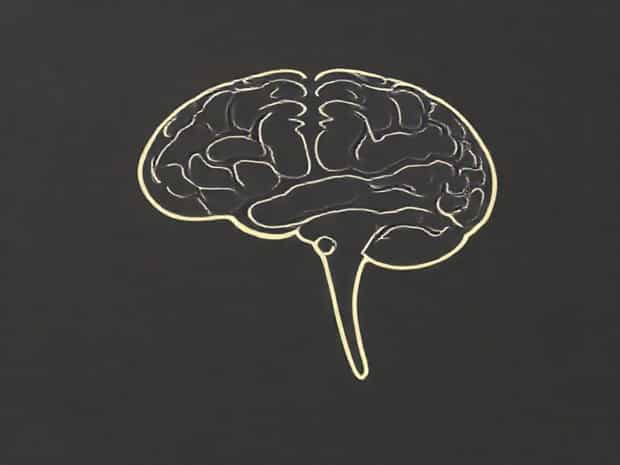
Cranial Meninges From Superficial To Deep
The human brain is one of the most delicate and vital organs in the body, requiring specialized structures for protection. Beyond the skull, another essential layer of defense is provided by the cranial meninges. These coverings form protective membranes that cushion the brain, supply nutrients, and act as barriers against infection and mechanical damage. Understanding the cranial meninges from superficial to deep is not only important in anatomy but also essential in medicine, since disorders like meningitis or traumatic brain injuries involve these layers directly. Exploring the arrangement, functions, and clinical importance of the meninges offers deeper insight into how the central nervous system remains safeguarded.
Overview of the Cranial Meninges
The cranial meninges are three layers of connective tissue membranes located between the skull and the brain. From superficial to deep, these include the dura mater, the arachnoid mater, and the pia mater. Each layer has a unique composition and role in protecting the brain, maintaining cerebrospinal fluid (CSF) circulation, and supporting blood vessels. Together, they create a stable and well-regulated environment necessary for brain function.
Dura Mater
Structure of the Dura Mater
The dura mater is the outermost and toughest of the meninges. Its name, derived from Latin, literally means hard mother, reflecting its durable structure. The dura mater is composed of dense fibrous connective tissue that forms two layers in the cranial cavity
- Periosteal layerClosely adheres to the inner surface of the skull bones, acting almost like an internal periosteum.
- Meningeal layerLies beneath the periosteal layer and continues into the vertebral canal as the spinal dura mater.
Functions of the Dura Mater
The dura mater provides the first line of defense after the skull. It also creates specialized folds such as the falx cerebri and tentorium cerebelli, which separate different parts of the brain and provide structural support. Additionally, the dura contains dural venous sinuses, which act as major channels for venous blood drainage from the brain into the internal jugular veins.
Arachnoid Mater
Characteristics of the Arachnoid Mater
Beneath the dura lies the arachnoid mater, a delicate and transparent membrane that gets its name from its spiderweb-like appearance. This middle layer does not dip into the grooves of the brain but rather spans smoothly across the surface. Between the arachnoid mater and the pia mater is the subarachnoid space, which contains cerebrospinal fluid.
Functions of the Arachnoid Mater
The arachnoid acts as a barrier and helps regulate the flow of CSF. Within the subarachnoid space, trabeculae connect the arachnoid to the pia, maintaining a steady spacing. The arachnoid villi, small protrusions into the dural venous sinuses, allow for the reabsorption of CSF into the bloodstream, ensuring fluid balance and intracranial pressure regulation.
Pia Mater
Microscopic Structure of the Pia Mater
The pia mater is the innermost meningeal layer, lying directly on the surface of the brain and spinal cord. Unlike the other layers, the pia closely follows every contour of the brain, dipping into sulci and surrounding gyri. It is composed of thin, vascularized connective tissue.
Functions of the Pia Mater
This layer provides essential nourishment to the brain through its extensive network of blood vessels. Because it is highly vascular, the pia mater plays a direct role in supplying oxygen and nutrients while removing waste products. It also helps anchor the larger blood vessels to the brain surface.
Protective Roles of the Meninges
When studied from superficial to deep, the meninges reveal a highly efficient system of protection. The dura shields against mechanical forces, the arachnoid regulates fluid dynamics, and the pia maintains close metabolic support. Together with the cerebrospinal fluid, these layers cushion the brain, reducing the risk of injury from sudden movements or impacts.
Cerebrospinal Fluid and the Subarachnoid Space
The subarachnoid space, located between the arachnoid mater and the pia mater, plays a critical role in brain physiology. It contains cerebrospinal fluid, which provides buoyancy, reducing the effective weight of the brain and preventing compression of the nervous tissue against the skull base. CSF circulation also helps transport nutrients, hormones, and remove waste, maintaining a stable environment.
Clinical Relevance of the Meninges
Meningitis
Meningitis is a serious inflammation of the meninges, often caused by bacterial or viral infections. This condition disrupts the protective functions of the meninges and can result in life-threatening complications if not treated promptly. Understanding the order of the meninges from superficial to deep helps in diagnosing and treating meningitis effectively.
Subdural and Subarachnoid Hemorrhages
Bleeding within or around the meningeal layers can lead to severe neurological damage. A subdural hemorrhage occurs between the dura and the arachnoid, often due to head trauma. A subarachnoid hemorrhage occurs within the subarachnoid space, typically from ruptured blood vessels, leading to increased intracranial pressure and potential brain damage.
Neurosurgical Considerations
During neurosurgery, knowledge of the cranial meninges is essential. Surgeons must navigate through these protective layers with precision to avoid damaging critical structures, control bleeding, and ensure proper closure for continued brain protection.
Comparisons with Spinal Meninges
The cranial meninges share similarities with the spinal meninges, though there are differences in their arrangement. For example, the periosteal dura is absent in the spinal canal, where only the meningeal layer of dura exists. This distinction is significant in procedures like lumbar punctures, where CSF is drawn from the subarachnoid space of the spinal meninges.
Summary of the Layers from Superficial to Deep
- Dura materTough outer layer, forms venous sinuses and protective folds.
- Arachnoid materWeb-like middle layer, helps regulate cerebrospinal fluid.
- Pia materThin vascular layer, adheres directly to the brain and nourishes it.
The cranial meninges from superficial to deep the dura mater, arachnoid mater, and pia mater form a vital protective system for the brain. Each layer contributes unique functions, from structural support and blood drainage to fluid regulation and nutrient delivery. Beyond anatomy, these layers hold immense clinical importance, as many neurological conditions involve their disruption. By appreciating the order, roles, and significance of the cranial meninges, we gain a clearer understanding of how the brain is preserved within the skull, allowing it to function as the command center of the body.