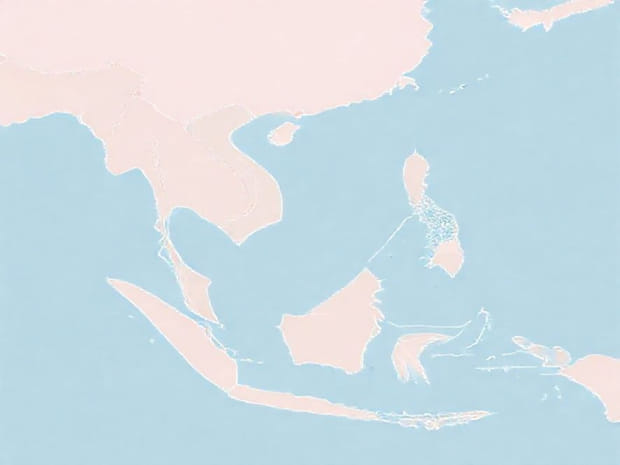
Countries In Insular Southeast Asia
Insular Southeast Asia is a fascinating part of the world, known for its diverse cultures, rich biodiversity, and strategic location connecting the Pacific and Indian Oceans. This region is made up of island nations and territories that share both historical ties and geographical similarities. From Indonesia’s vast archipelago to the small yet vibrant nation of Brunei, the countries in Insular Southeast Asia have distinct identities while also contributing to a shared regional character. Understanding these nations provides insight into their unique histories, economies, and roles in global affairs.
Overview of Insular Southeast Asia
Insular Southeast Asia refers to the island nations and territories located in the maritime zone of Southeast Asia. Unlike mainland Southeast Asia, which includes countries such as Thailand, Vietnam, and Cambodia, this region is composed of islands scattered across vast oceanic areas. The term insular highlights the geographic nature of the region, as it is made up of archipelagos and standalone islands.
The main countries in Insular Southeast Asia are
- Indonesia
- Philippines
- Malaysia (particularly East Malaysia on Borneo)
- Brunei
- East Timor (Timor-Leste)
- Singapore
Each of these nations has its own story, shaped by centuries of trade, colonial influence, and cultural exchange. Their position in global maritime routes has made them significant players throughout history.
Indonesia The World’s Largest Archipelago
Indonesia is the largest country in Insular Southeast Asia, both in terms of landmass and population. With more than 17,000 islands, Indonesia stretches across the equator, creating a country of immense cultural and ecological diversity. Java, Sumatra, Kalimantan, Sulawesi, and Papua are its major islands, while countless smaller ones add to the country’s richness.
Indonesia is home to hundreds of ethnic groups and languages. Its capital, Jakarta, is a bustling metropolis and a hub of economic activity. Indonesia also holds global significance as the largest Muslim-majority country. In addition to cultural diversity, the nation boasts some of the most biodiverse rainforests and marine ecosystems on Earth, making it vital for environmental conservation efforts.
The Philippines An Archipelago of Vibrant Culture
The Philippines is another important country in Insular Southeast Asia, consisting of over 7,000 islands. It is known for its friendly people, lively traditions, and strong ties to both Asia and the West. The country’s history reflects influences from Spanish colonization, American governance, and indigenous heritage. This combination has shaped the Philippines into a society with a unique blend of Eastern and Western cultures.
Manila, the capital, and Cebu, another major city, serve as key centers of commerce, education, and governance. The Philippines also plays an important role in regional geopolitics due to its location in the South China Sea. Beyond politics, the country is famous for its beautiful beaches, coral reefs, and natural wonders such as the Banaue Rice Terraces.
Malaysia The Maritime Connection
While Malaysia is often associated with its mainland region on the Malay Peninsula, it also has a significant presence in Insular Southeast Asia. The states of Sabah and Sarawak on the island of Borneo, along with nearby islands, form part of East Malaysia. This region is known for its rainforests, diverse wildlife, and strong indigenous cultures.
East Malaysia plays a vital role in the nation’s economy, particularly through oil and gas production. Its natural landscapes, such as Mount Kinabalu and the Danum Valley Conservation Area, attract eco-tourists from around the world. East Malaysia’s position on Borneo also places it near Brunei, fostering both cooperation and cultural connections.
Brunei A Small Yet Wealthy Nation
Brunei is one of the smallest countries in Insular Southeast Asia, but it is also one of the wealthiest due to its oil and natural gas reserves. Located on the island of Borneo, Brunei is a sultanate with a long history and deep cultural traditions rooted in Islam. The capital, Bandar Seri Begawan, is known for its stunning mosques and well-planned urban spaces.
Despite its size, Brunei has a significant presence in the region. Its policies prioritize stability and economic security, and it maintains strong relations with neighboring Malaysia and Indonesia. Brunei also invests heavily in education and healthcare, offering its citizens a high standard of living.
East Timor A Young Nation
East Timor, officially known as Timor-Leste, is one of the youngest countries in the world, having gained independence in 2002. It occupies the eastern half of the island of Timor, along with the Oecusse exclave on the northwestern coast. The nation’s history includes colonization by Portugal, occupation by Indonesia, and a long struggle for independence.
Today, East Timor is working to build a stable democracy and strengthen its economy. Agriculture, particularly coffee production, plays a major role in livelihoods. The country is also seeking to develop its tourism industry, highlighting its unspoiled beaches, rich culture, and historical heritage.
Singapore A City-State in Maritime Southeast Asia
Singapore, though small in size, is a powerhouse in Insular Southeast Asia. Located at the southern tip of the Malay Peninsula, it is an island city-state that has become a global financial and trade hub. Singapore’s strategic location has made it a gateway for international commerce for centuries.
The nation is known for its modern infrastructure, efficient governance, and multicultural society. Singapore’s economy thrives on finance, technology, logistics, and tourism. Despite being one of the smallest countries in the region, its influence extends globally, making it an essential part of the insular group.
Shared Characteristics of Insular Southeast Asian Countries
Although each country in Insular Southeast Asia has unique qualities, they share several common features that bind them together as a region
- Maritime OrientationAll nations rely on the sea for trade, fishing, and cultural exchange.
- Cultural DiversityEach country is home to multiple ethnic groups, languages, and traditions.
- Colonial HistoryMany nations experienced colonization, shaping their modern political and social systems.
- Strategic ImportanceTheir location along global shipping routes ensures economic and geopolitical significance.
- Natural RichesThe region holds immense biodiversity, from tropical rainforests to marine ecosystems.
Economic Importance of Insular Southeast Asia
The economies of Insular Southeast Asian countries are diverse, ranging from resource-rich Brunei and Malaysia to service-oriented Singapore. Indonesia and the Philippines have large populations, providing a significant workforce and domestic markets. East Timor is developing, but its potential in tourism and agriculture is growing. Together, these nations play a crucial role in global supply chains, energy markets, and cultural industries.
Countries in Insular Southeast Asia form a dynamic and diverse region with significant contributions to global culture, economy, and politics. From Indonesia’s vast islands to Singapore’s urban modernity, each nation brings something unique to the regional identity. While they differ in size, wealth, and governance, their shared maritime heritage and interconnected histories tie them together. Understanding these countries not only highlights their individual strengths but also underscores their collective importance in shaping the future of Southeast Asia and the world.