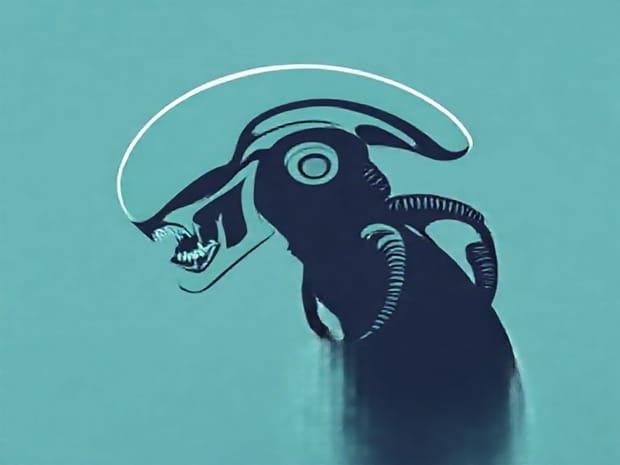
Could Borg Assimilate A Xenomorph
The concept of the Borg assimilating a Xenomorph is a fascinating crossover scenario that combines two of science fiction’s most iconic franchises Star Trek and Alien. The Borg are a cybernetic species known for their relentless pursuit of perfection through assimilation, integrating the biological and technological distinctiveness of other species into their collective. The Xenomorph, on the other hand, is a deadly extraterrestrial species with extraordinary adaptability, acid blood, and a complex life cycle that makes it a formidable adversary. Exploring whether the Borg could assimilate a Xenomorph requires understanding the biological and technological characteristics of both species, their methods of adaptation and survival, and the potential risks and outcomes of such a hypothetical encounter.
Understanding the Borg and Their Assimilation Process
The Borg operate as a collective consciousness, assimilating individuals into their hive-like structure to enhance their knowledge and capabilities. Assimilation involves injecting nanoprobes into a target, which gradually replace or integrate biological tissue with cybernetic enhancements. This process allows the Borg to adopt the strengths of other species, including physical attributes, sensory abilities, and advanced knowledge. The Borg are known for their adaptability; once a species is assimilated, the collective rapidly understands how to utilize their new capabilities while minimizing weaknesses. This relentless drive for perfection makes the Borg one of the most feared entities in the Star Trek universe.
Mechanics of Borg Assimilation
- Nanoprobes injected into the host modify cellular structures and integrate technological components.
- The target’s biological systems are gradually controlled and modified to conform to Borg standards.
- Assimilation enhances the collective’s knowledge, often incorporating unique species traits.
- The process relies on overcoming resistance from the target, including immune responses and extreme physiological conditions.
The Xenomorph’s Biological and Survival Characteristics
Xenomorphs are known for their extreme adaptability and resilience. Their exoskeleton provides substantial physical protection, while their acidic blood acts as a potent defense mechanism against physical attacks. They exhibit rapid growth, formidable strength, and an instinctive ability to survive in harsh environments. Furthermore, Xenomorphs reproduce through a parasitic life cycle involving hosts, which adds a layer of biological complexity. Any attempt to assimilate a Xenomorph would require overcoming its physical and chemical defenses, as well as managing the potential unpredictability of its reproductive mechanisms.
Key Features of Xenomorphs
- Acidic blood capable of corroding metal and organic tissue, posing a serious threat to any assimilating agent.
- Highly adaptive exoskeleton that resists physical penetration and damage.
- Rapid growth and regeneration, enabling the Xenomorph to recover from injuries quickly.
- Instinct-driven intelligence, which includes strategic thinking and survival tactics.
Potential Challenges in Assimilating a Xenomorph
Assimilating a Xenomorph presents unique challenges that differ from assimilating other biological species. The acidic blood alone could destroy nanoprobes or Borg technology upon contact, potentially halting the assimilation process. The exoskeleton and rapid regenerative capabilities may also impede the complete integration of cybernetic components. Additionally, the Xenomorph’s parasitic life cycle could introduce unforeseen biological variables into the Borg collective, creating instability or unpredictable behavior. Resistance from the Xenomorph’s immune and regenerative systems would likely require the Borg to adapt their assimilation process significantly.
Technological and Biological Obstacles
- Acid blood threatens both nanoprobes and existing cybernetic systems, potentially causing critical failure.
- Exoskeleton limits the ability of nanoprobes to penetrate and modify internal biological tissues.
- Rapid cellular regeneration could counteract the effects of assimilation.
- Parasitic reproductive traits may introduce uncontrolled biological elements into the Borg collective.
Hypothetical Outcomes of Assimilation
If the Borg were able to overcome the Xenomorph’s defenses, the resulting assimilation could produce an extraordinarily powerful hybrid. The collective could potentially harness the Xenomorph’s physical prowess, stealth, and regenerative abilities, while integrating cybernetic enhancements to further amplify these traits. Such a hybrid might be capable of extreme resilience, rapid adaptation, and efficient combat capabilities. Conversely, failure to fully neutralize the Xenomorph’s defenses could result in the Borg collective being damaged, nanoprobes destroyed, or even widespread contamination from acidic blood. The outcome hinges on whether the Borg can adapt their technology to counter the Xenomorph’s unique biological defenses.
Speculative Advantages for the Borg
- Increased physical strength and speed beyond typical Borg enhancements.
- Enhanced regenerative capabilities that surpass standard cybernetic repairs.
- Potential stealth abilities from the Xenomorph’s adaptive behavior.
- Expanded collective knowledge, including instinct-driven survival strategies.
Speculative Risks for the Borg
- Nanoprobe destruction from acidic blood could halt or reverse assimilation.
- Parasitic traits could introduce biological instability into the collective.
- Extreme aggression and unpredictability may conflict with the Borg’s collective control.
- Damage to cybernetic systems from corrosive or physical attacks.
Scientific and Fictional Considerations
From a scientific perspective, the extreme biological defenses of the Xenomorph would make assimilation extraordinarily difficult. The acidic blood alone could destroy most current nanotechnology. Additionally, the Xenomorph’s highly adaptive and parasitic nature might introduce complications that the Borg are not equipped to handle immediately. From a fictional standpoint, however, creative adaptations could allow the Borg to modify their nanoprobes to resist acid, penetrate exoskeletal armor, and stabilize parasitic DNA integration. Science fiction often explores the limits of technology and biology, making such crossovers a fertile ground for imaginative scenarios.
The question of whether the Borg could assimilate a Xenomorph invites an intriguing exploration of two iconic science fiction species. While the Xenomorph’s biological defenses acidic blood, adaptive exoskeleton, rapid regeneration, and parasitic lifecycle pose significant challenges, the Borg’s relentless drive for assimilation, advanced nanotechnology, and collective adaptability might theoretically allow them to overcome these obstacles under certain conditions. Success would likely result in a powerful hybrid organism with enhanced physical and cybernetic capabilities, though the risks of failure, instability, and damage to the collective are substantial. This hypothetical scenario highlights the intersection of biology and technology in science fiction, raising questions about adaptation, survival, and the limits of assimilation in the face of extreme defenses.