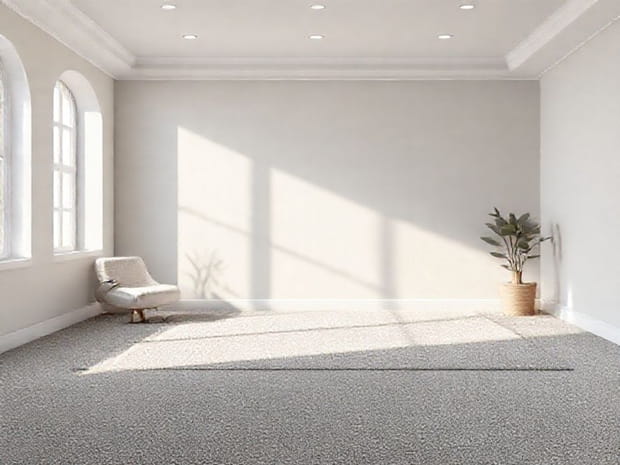
Cost Of Carpeting A Room
Carpeting a room is a popular way to enhance comfort, improve insulation, and add aesthetic value to a home. However, many homeowners are often concerned about the overall cost of carpeting a room, which can vary widely depending on several factors. From the type and quality of carpet to the size of the room and additional installation requirements, understanding the elements that influence cost is essential for budgeting effectively. This guide explores the factors affecting carpet costs, provides estimates for different carpet types, and offers tips for maximizing value while choosing the right carpet for your space.
Factors That Affect the Cost of Carpeting a Room
The total cost of carpeting a room is not determined solely by the price per square foot of the carpet. Several variables can influence the final expense, and being aware of them can help homeowners plan their budget more accurately.
Room Size
The size of the room is the most straightforward factor affecting the cost. Larger rooms require more carpet, increasing both material and installation expenses. To calculate the carpet needed, measure the length and width of the room and multiply them to determine square footage. Always add an extra 5-10% for cutting and fitting, especially in irregularly shaped rooms.
Carpet Material and Quality
Carpets come in a variety of materials, each with different costs and durability levels
- NylonDurable, stain-resistant, and suitable for high-traffic areas. Typically mid-range in price.
- PolyesterSoft and affordable, but less durable than nylon, especially in high-traffic spaces.
- WoolNatural, luxurious, and long-lasting, but significantly more expensive than synthetic fibers.
- Olefin (Polypropylene)Budget-friendly and resistant to moisture, often used in basements or low-traffic areas.
Carpet Pile and Density
The pile height and density of the carpet also affect the cost. High-pile carpets with thick, plush textures tend to be more expensive due to the amount of material used. Low-pile carpets are generally more affordable and easier to clean, making them suitable for high-traffic areas.
Padding and Underlay
Installing carpet usually requires padding or underlay to provide cushioning, extend the carpet’s life, and improve insulation. The cost of padding varies based on thickness and material. While some homeowners may choose minimal padding to save money, investing in quality underlay enhances comfort and durability.
Installation Costs
Professional installation is recommended for most carpet types to ensure a proper fit and finish. Installation costs vary depending on the complexity of the room, such as the number of corners, stairs, or irregular shapes. Standard installation may include stretching, tacking, and trimming, with additional fees for moving furniture or removing old flooring.
Additional Costs
Other factors can influence the total expense
- Removal of existing flooring or carpet
- Seam placement for larger rooms
- Special treatments like stain protection or anti-static coatings
- Trim, baseboards, or moldings required for finishing edges
Average Cost Estimates
Understanding general price ranges can help homeowners set realistic budgets. Prices vary depending on location, material, and quality, but the following estimates provide a useful starting point
Carpet Material Costs
- Budget synthetic carpets$2-$4 per square foot
- Mid-range nylon or polyester$4-$7 per square foot
- High-end wool or luxury synthetic carpets$7-$12+ per square foot
Installation Costs
Professional installation usually ranges from $1-$3 per square foot for basic installation. Complex rooms or additional services may raise this to $4-$5 per square foot.
Total Cost Examples
For a standard 12×12-foot room (144 square feet)
- Budget carpet with basic installation $432-$1,152
- Mid-range carpet with professional installation $720-$1,584
- High-end carpet with professional installation $1,296-$2,448+
Tips for Saving on Carpet Costs
There are several strategies homeowners can use to manage carpet costs without sacrificing quality
- Compare quotes from multiple carpet retailers and installers
- Consider purchasing carpet remnants or off-cuts for smaller rooms
- Choose mid-range carpet options for a balance between quality and affordability
- Schedule installation during off-peak seasons when discounts may be available
- Reuse existing padding if it is in good condition to save on underlay costs
Benefits of Investing in Quality Carpet
While it may be tempting to choose the cheapest option, investing in quality carpet offers long-term benefits
Durability
High-quality carpets last longer, maintain their appearance, and withstand foot traffic more effectively than budget options.
Comfort and Insulation
Thicker, well-padded carpets provide a softer walking surface and help insulate the room, reducing heating and cooling costs.
Aesthetic Appeal
Better-quality carpets maintain their color and texture over time, contributing to a polished and inviting interior.
The cost of carpeting a room depends on multiple factors, including the size of the space, carpet material, pile height, padding, and installation complexity. While budget carpets are available, mid-range or high-quality options provide better durability, comfort, and long-term value. Homeowners can manage costs through careful planning, comparing quotes, and considering practical options such as remnants or off-season discounts. Ultimately, selecting the right carpet involves balancing price with quality, ensuring that the room not only looks attractive but also provides comfort and longevity for years to come.