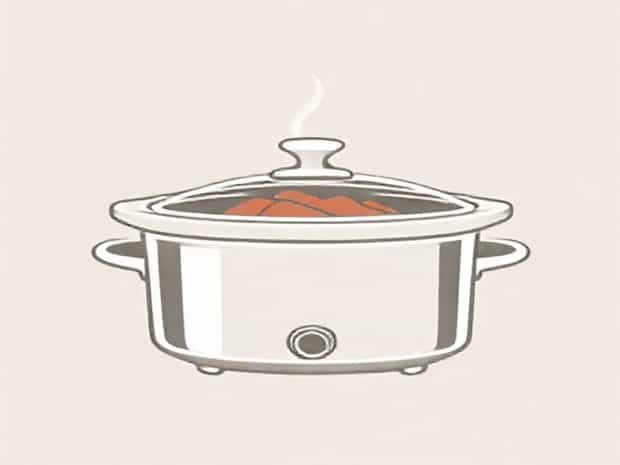
Corned Beef Slow Cooker
Cooking corned beef in a slow cooker has become an increasingly popular method for preparing this classic dish, as it combines convenience with exceptional flavor. Slow cooking allows the meat to become tender, juicy, and infused with spices without requiring constant attention or complicated preparation. Whether for a family dinner, St. Patrick’s Day celebration, or a simple weeknight meal, corned beef prepared in a slow cooker offers a satisfying experience that enhances both taste and texture. Understanding the process, seasoning options, and serving suggestions can help anyone achieve the perfect slow-cooked corned beef.
Choosing the Right Cut of Corned Beef
Before beginning the slow cooker process, it is essential to select the right cut of corned beef. The brisket is the most common choice due to its rich flavor and ability to become tender during slow cooking. Corned beef brisket comes in two varieties flat cut and point cut. Flat cut is leaner and easier to slice, making it ideal for presentation, while point cut has more marbling, resulting in a richer taste and more succulent texture. Choosing between these options depends on personal preference and the desired final dish.
Preparing the Corned Beef for Slow Cooking
Preparation starts with rinsing the corned beef under cold water to remove excess brine and salt. This step ensures the final dish is not overly salty. Many cooks also soak the meat in water for a few hours or overnight to reduce saltiness further. Once rinsed, the corned beef is ready to be placed in the slow cooker along with seasonings, vegetables, and liquid.
Seasoning and Flavor Enhancements
While corned beef often comes pre-seasoned with a pickling spice packet, additional seasonings can enhance its flavor during slow cooking. Popular choices include garlic cloves, bay leaves, black peppercorns, mustard seeds, and fresh herbs such as thyme or rosemary. These ingredients, combined with the natural spices in the brisket, create a complex and savory taste profile. Some recipes also incorporate onion, carrots, and celery, which infuse the meat with subtle sweetness and add a hearty base for serving.
Choosing the Right Cooking Liquid
The slow cooker requires a cooking liquid to maintain moisture and distribute flavors evenly. Common liquids include water, beef broth, or a combination of water and beer. The liquid should cover at least half of the meat to prevent drying out while still allowing the top of the brisket to brown slightly during cooking. The choice of liquid can influence the final flavor, so experimenting with different broths or beer types can yield unique variations of slow-cooked corned beef.
Slow Cooker Techniques and Cooking Times
Cooking corned beef in a slow cooker is straightforward, but attention to temperature and timing is essential. Typically, cooking on low heat for 8 to 10 hours produces the most tender results. High heat can shorten the cooking time to 4 to 6 hours, but may risk drying the meat if not monitored carefully. The slow, gentle cooking process allows connective tissues to break down, resulting in a tender, flavorful brisket. Adding vegetables in the last 2 to 3 hours of cooking ensures they are tender without becoming mushy.
Monitoring and Adjusting During Cooking
While slow cookers are designed for convenience, occasional checking can improve the final outcome. Ensuring that the liquid level remains sufficient and the meat is not exposed to air prevents dryness. Some cooks also baste the brisket or gently stir the liquid around the meat to evenly distribute flavors. Slow cookers can vary in temperature, so adjusting the cooking time slightly based on your appliance may be necessary for optimal results.
Serving Corned Beef from the Slow Cooker
Once the corned beef is tender and flavorful, it can be sliced and served directly from the slow cooker. Allowing the meat to rest for 10 to 15 minutes before slicing helps retain juices and improves texture. Slicing against the grain ensures each piece is tender and easy to chew. The accompanying vegetables, such as potatoes, carrots, and cabbage, can be served alongside the brisket or mixed into a hearty stew-style presentation. The cooking liquid can also be reduced on the stovetop to create a flavorful gravy or sauce for serving.
Meal Ideas and Pairings
Corned beef from the slow cooker is versatile and can be enjoyed in various ways beyond the traditional plate meal. Leftovers make excellent sandwiches, often paired with mustard or horseradish sauce on rye bread. Adding thin slices of corned beef to eggs or hash creates a satisfying breakfast option. For a festive twist, it can also be served with traditional St. Patrick’s Day accompaniments, such as Irish soda bread or cabbage rolls. Pairing the dish with a crisp green salad or roasted vegetables enhances the overall meal balance.
Tips for the Perfect Slow-Cooked Corned Beef
- Rinse and soak the brisket to reduce saltiness before cooking.
- Use low heat for extended cooking to maximize tenderness.
- Incorporate fresh vegetables and spices for a rich flavor profile.
- Ensure the cooking liquid partially covers the meat to maintain moisture.
- Slice against the grain for optimal texture and tenderness.
- Consider using the cooking liquid as a base for gravy or sauce.
- Experiment with different liquids like beer or beef broth for unique flavors.
Health Considerations
Corned beef is flavorful but can be high in sodium due to the brining process. Monitoring portion sizes and pairing the dish with fresh vegetables or whole grains can create a balanced meal. Using leaner cuts like the flat brisket and rinsing thoroughly before cooking can also reduce sodium content. For those concerned about fat content, trimming excess fat before cooking helps make the dish healthier without sacrificing taste.
Cooking corned beef in a slow cooker is an accessible, convenient method that produces a tender, flavorful, and satisfying dish. By choosing the right cut, preparing the meat properly, and incorporating the right seasonings and cooking liquids, anyone can create a meal that rivals traditional oven or stovetop methods. From the classic St. Patrick’s Day dinner to a versatile weeknight meal or hearty leftover sandwiches, slow-cooked corned beef provides a rich, comforting experience. Paying attention to cooking times, liquid levels, and slicing technique ensures the perfect balance of flavor and texture, making this method a favorite among home cooks seeking both convenience and delicious results.